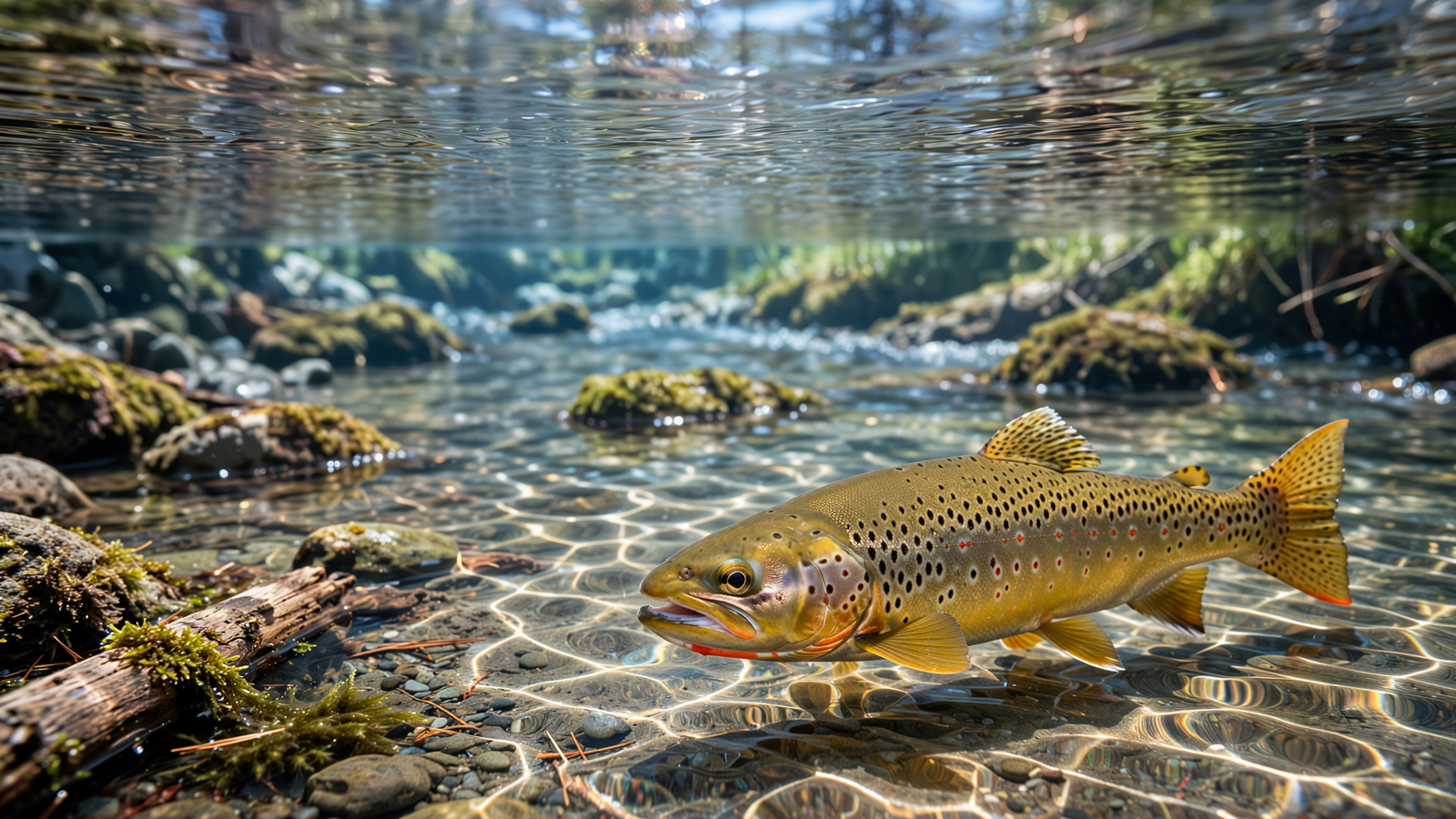
High in Arizona’s White Mountains, a conservation success story is unfolding in water that can be easy to overlook. The Apache trout, a small golden fish with dark spots, is gradually reclaiming the cold mountain streams where it evolved.
The recovery is significant because the Apache trout is found naturally nowhere else on Earth. Its historic range is concentrated in the upper Little Colorado River and Salt River watersheds on the Fort Apache Indian Reservation and nearby parts of the Apache-Sitgreaves National Forests.
A native fish under pressure
Apache trout declined as their streams changed and nonnative fish were introduced. Rainbow, brown and brook trout competed with the native species, while hybridization threatened the genetic traits that made Apache trout distinct. Dams, erosion, wildfire and changes in water quality also reduced the fish’s access to suitable habitat.
The U.S. Fish and Wildlife Service listed the species under the Endangered Species Act in 1969. It was later reclassified as threatened, a sign that conservation work had improved its prospects but had not made the fish secure.
That distinction still matters. A species can be recovering while remaining vulnerable to a single severe drought, wildfire or disease outbreak. For Apache trout, long-term success depends on maintaining connected, cold-water habitat and protecting genetically pure populations.
Recovery takes more than stocking fish
Arizona’s recovery effort combines several strategies. State and federal biologists raise Apache trout in hatcheries, while field crews monitor streams and move fish into restored or newly protected waters. In some locations, barriers help prevent nonnative trout from moving into Apache trout habitat. Where hybridization is a concern, genetic testing helps managers determine which fish should be used to strengthen a population.
Habitat work is just as important as hatchery production. Healthy streamside vegetation shades the water, reduces erosion and helps maintain the cool temperatures Apache trout need. Protecting headwaters also benefits insects, birds and other wildlife that depend on the same mountain ecosystems.
The White Mountain Apache Tribe, the Arizona Game and Fish Department, the U.S. Fish and Wildlife Service, the U.S. Forest Service and other partners all play roles in the effort. The partnership reflects a practical reality: the fish crosses administrative boundaries, so its recovery must do the same.
Why the recovery matters
Apache trout are more than a rare species listed in a federal recovery plan. Arizona recognizes the fish as its state fish, giving the species a special connection to the state’s identity. Its return also shows how conservation can restore a native animal without relying on a single dramatic intervention.
Each restored stream represents a larger gain. Cold, clean water supports aquatic insects and other native species, while stable streamside habitat helps protect watersheds used by communities and wildlife. The work also preserves a living part of Arizona’s natural history that cannot be replaced once its genetic identity is lost.
There is no final finish line for Apache trout recovery. Managers must continue watching populations, controlling invasive fish and responding to drought and a warming climate. But the direction has changed. Instead of disappearing quietly from its mountain streams, Arizona’s only native trout is being given room—and carefully managed habitat—to endure.