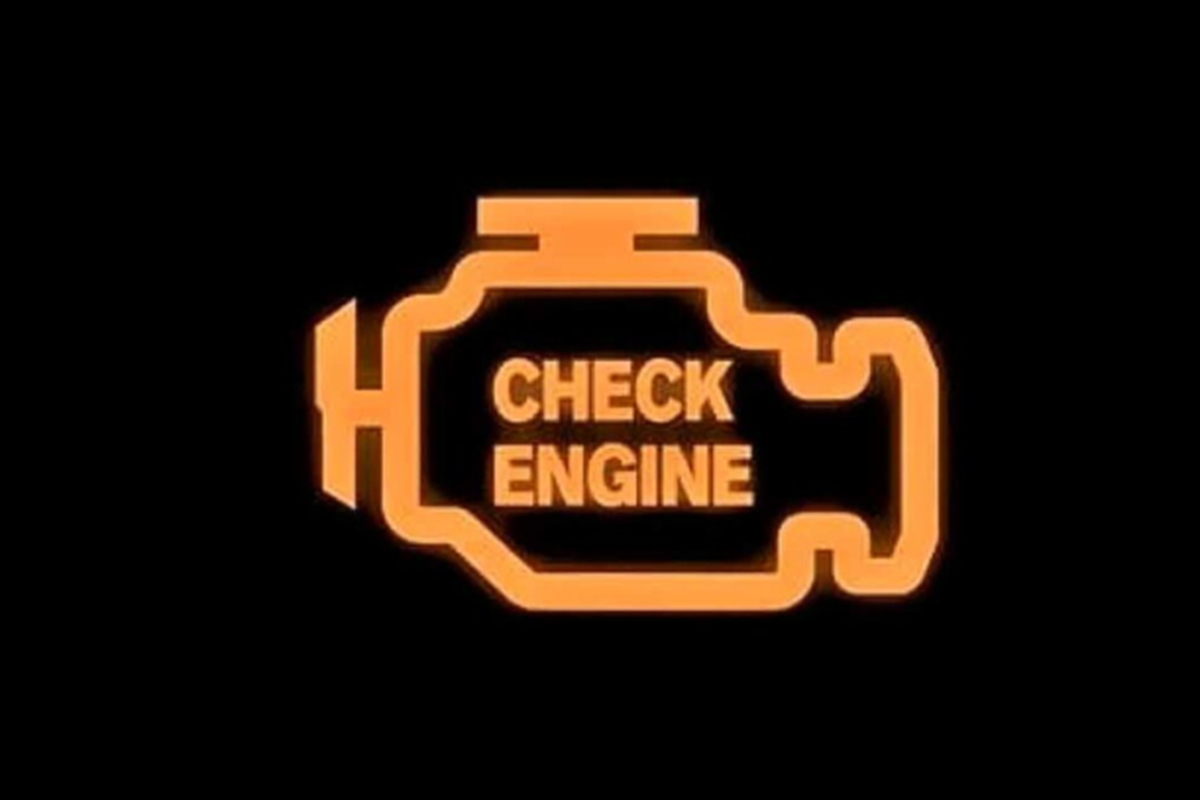
A check engine light can appear without warning, and it does not tell you exactly what is wrong. It means the car’s onboard diagnostic system has detected a problem that may need attention.
This guide explains how to respond to a steady or flashing light, what you can check safely, and how to prepare for a useful diagnosis. Your owner’s manual should always take priority for instructions specific to your vehicle.
First, notice how the light is behaving
A steady check engine light generally calls for diagnosis soon, but by itself does not always mean you must stop immediately. A flashing light is more urgent. It can indicate a problem such as an engine misfire that may cause further damage if you keep driving.
Pay attention to other signs, too: rough running, loss of power, unusual noises, smoke, a strong fuel smell, or another warning light. A serious symptom can make the situation urgent even if the check engine light is steady.
What to do, step by step
- Stay calm and look for other warnings. Keep your eyes on the road. When it is safe, check whether the light is steady or flashing and whether other warning lights are on.
- Pull over safely if the light is flashing or the car feels seriously wrong. Find a safe place away from traffic and follow your owner’s manual. If the engine is shaking, losing power, overheating, smoking, or making unusual noises, turn it off when safe and arrange roadside help rather than continuing.
- Read the owner’s manual. Check the section on warning lights for your vehicle’s instructions. The meaning and recommended response can vary by model.
- If the light is steady and the car seems normal, arrange a diagnostic check soon. Drive gently and avoid unnecessary trips until you know more. If the light starts flashing or the car’s behavior changes, stop as soon as it is safe.
- Check the fuel cap only if your car has one. With the vehicle safely parked and the engine off, make sure the cap is fitted correctly. Tighten it according to the manual; do not force it. A loose cap can trigger a warning on some vehicles, but this is only one possible cause.
- Have the diagnostic trouble codes read. A repair shop can use a scan tool to retrieve codes from the vehicle. If you already have access to a compatible scanner, follow its instructions while the car is parked. Write down the code rather than relying on a brief description alone.
- Share the details with the technician. Note when the light appeared, whether it was steady or flashing, any recent refueling, and any changes in how the car drives. These observations can help with diagnosis.
What a diagnostic code can—and cannot—tell you
Modern onboard diagnostics monitor vehicle systems, including parts of the engine and emissions controls. A trouble code points to a system or condition the computer has detected; it does not always identify the failed part. A code description is a useful starting point, not a complete diagnosis.
For example, a code related to a sensor circuit does not by itself prove that the sensor needs replacing. Wiring, a connection, or another issue may be involved. Replacing parts based only on a code can waste money and leave the underlying problem unresolved.
Things to avoid
- Do not ignore a flashing light. Get to a safe place and seek assistance rather than treating it like a routine reminder.
- Do not erase the code just to turn off the light. Clearing codes can remove information that helps diagnosis. It may also affect emissions-test readiness checks, depending on your vehicle and local requirements.
- Do not assume a steady light means the car is safe to drive indefinitely. A vehicle can seem normal while still needing attention.
- Do not open a hot engine’s cooling system or reach near moving parts. If you are unsure what is safe to inspect, leave the checks to a professional.
A practical next step
A check engine light is a warning to investigate, not a diagnosis in itself. Check whether it is flashing, notice how the car behaves, consult the manual, and arrange a scan. Acting promptly—and sharing clear observations—can help you make a safer, better-informed decision about what the car needs.