
October 19, 2026
UTF-8 Explained: How One Text Format Handles Millions of Characters
Unicode assigns numbers to characters; UTF-8 turns those numbers into bytes that software can store and transmit. The distinction explains…
Unicode assigns numbers to characters; UTF-8 turns those numbers into bytes that software can store and transmit. The distinction explains…
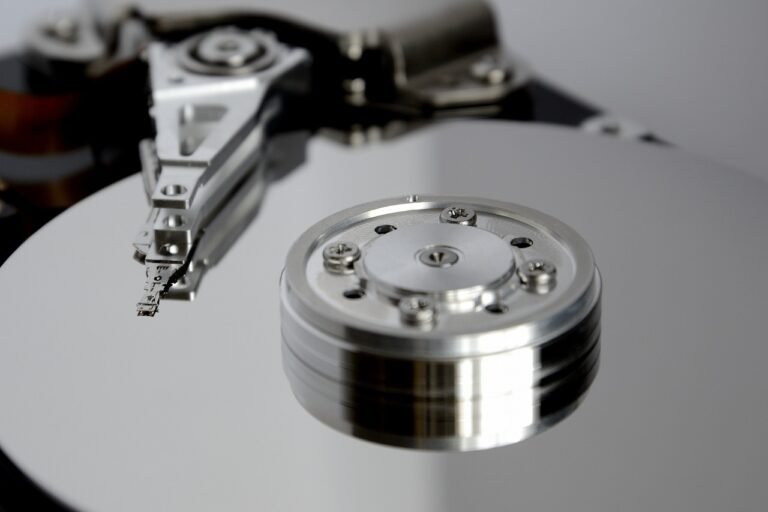
A powerful database does not always need a server. SQLite puts structured data directly inside an application, making a small,…
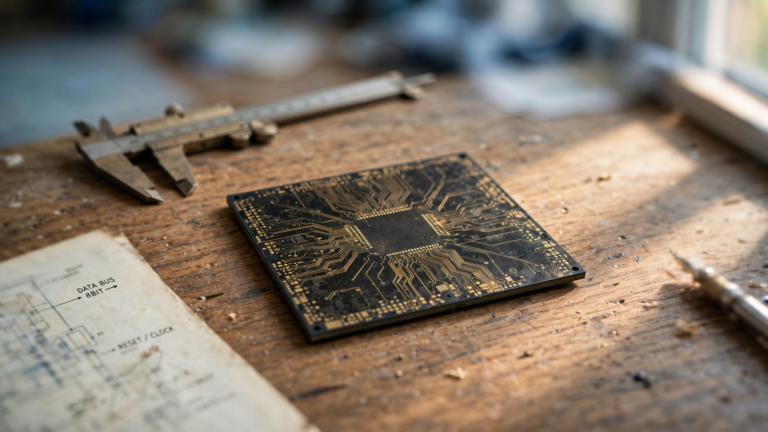
Before the integrated circuit, computers were built from rooms of separate components. By placing electronic functions onto a single piece…
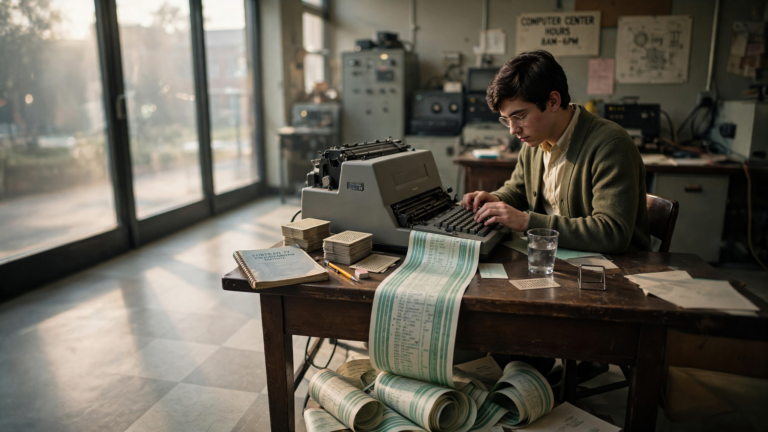
Created at Dartmouth in the 1960s, BASIC gave students an approachable way to write, run, and understand their own computer…
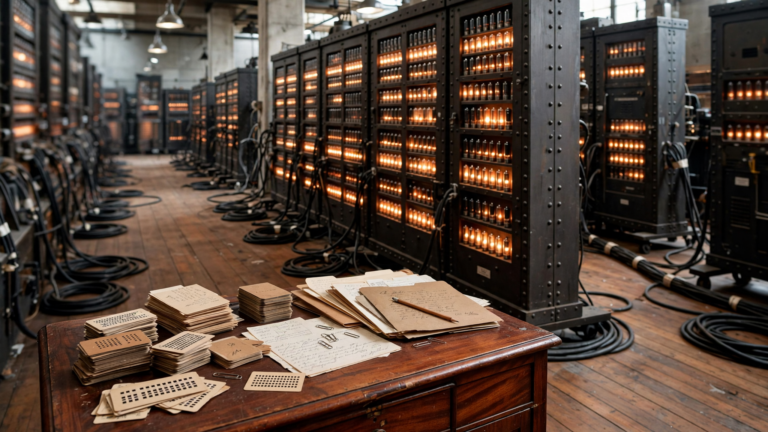
Built for wartime calculation, ENIAC filled a room with vacuum tubes—and revealed that electronic computers could transform work far beyond…
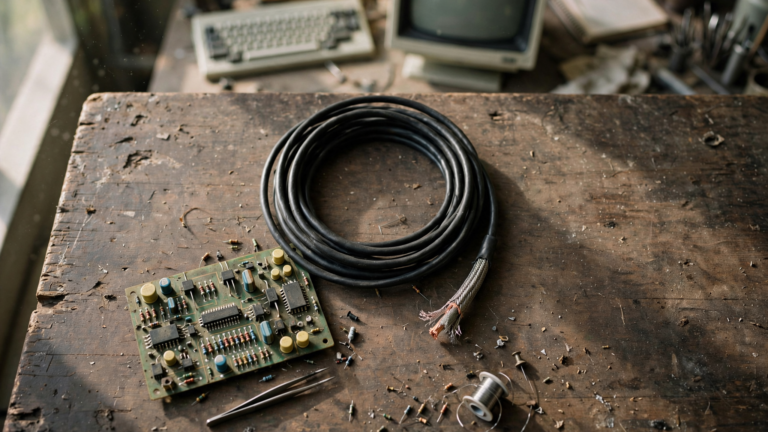
Long before home Wi-Fi, a small team at Xerox PARC imagined computers sharing information over a common cable. Ethernet’s simple…
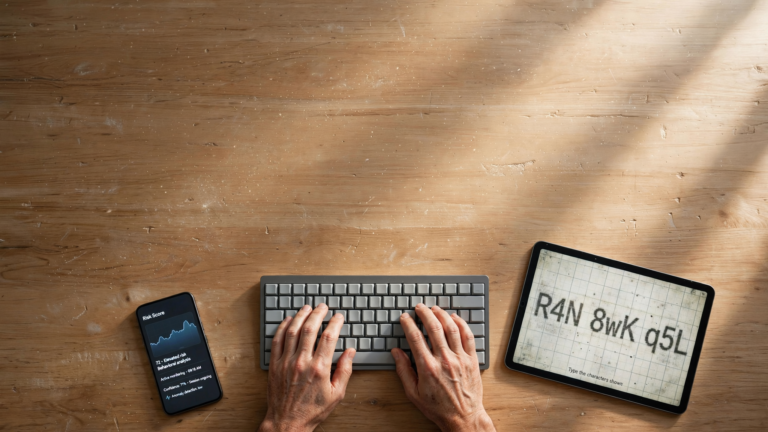
From distorted letters to invisible risk scores, the CAPTCHA has spent more than two decades asking one deceptively difficult question:…
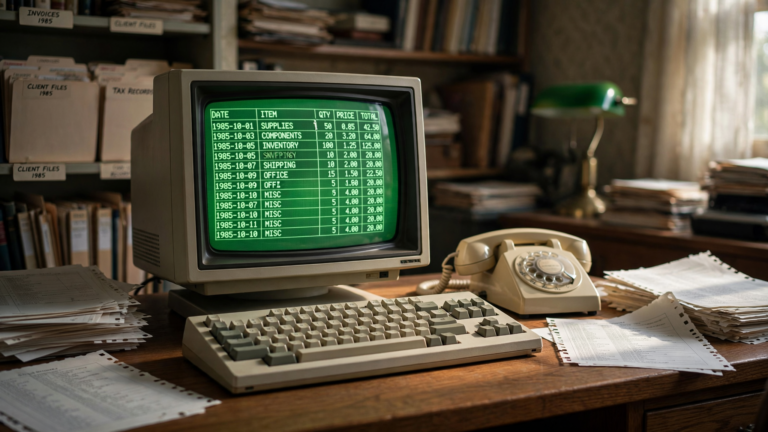
Before spreadsheets lived in the cloud, one simple program showed ordinary people that a personal computer could calculate, revise, and…
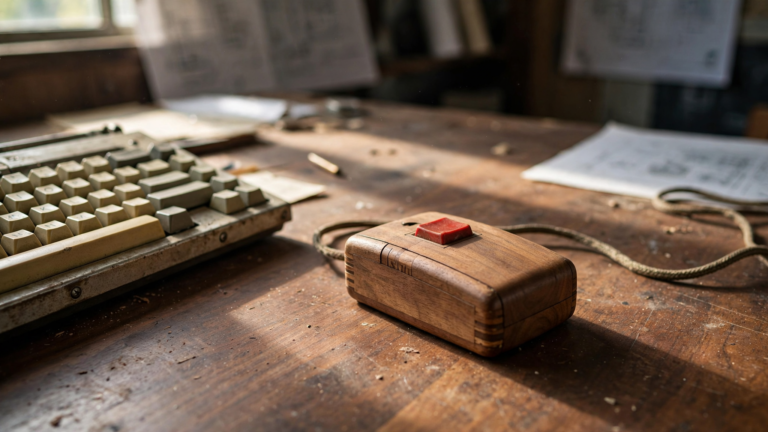
Before the mouse, working with a computer often meant typing commands. The small pointing device changed that relationship, helping turn…
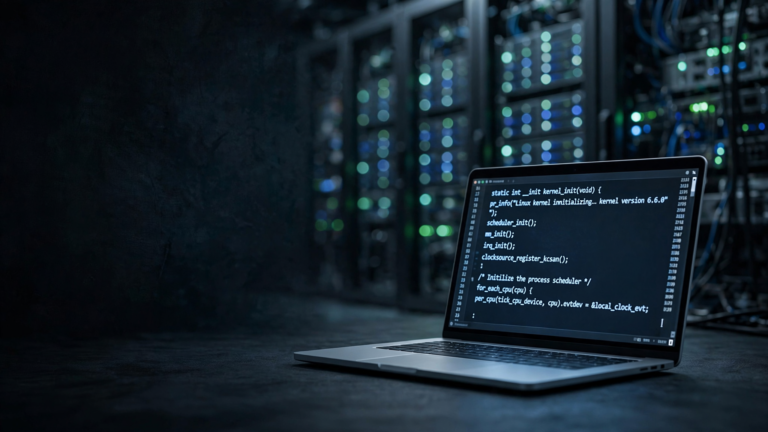
What began as a 1991 personal project became a shared piece of infrastructure powering servers, supercomputers, phones, and countless devices.
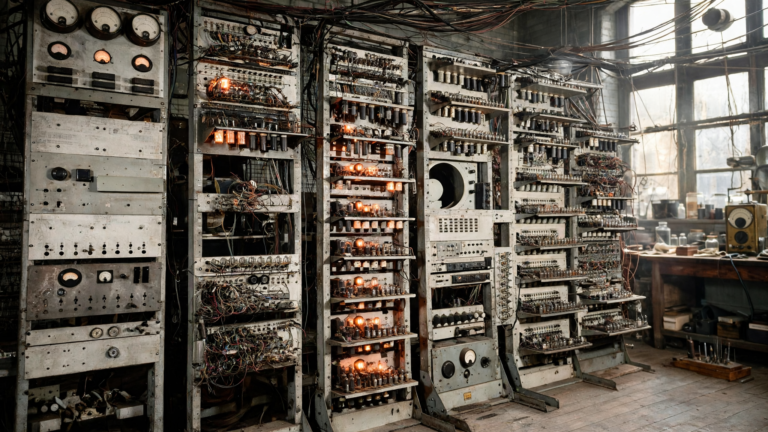
In 1948, a room-sized experimental machine at the University of Manchester proved that a computer could store its instructions in…
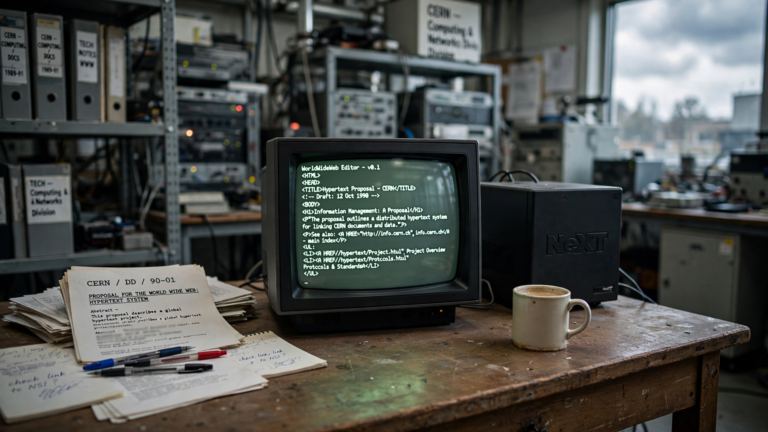
Born at CERN as a solution to scattered information, the World Wide Web became one of computing’s most transformative public…
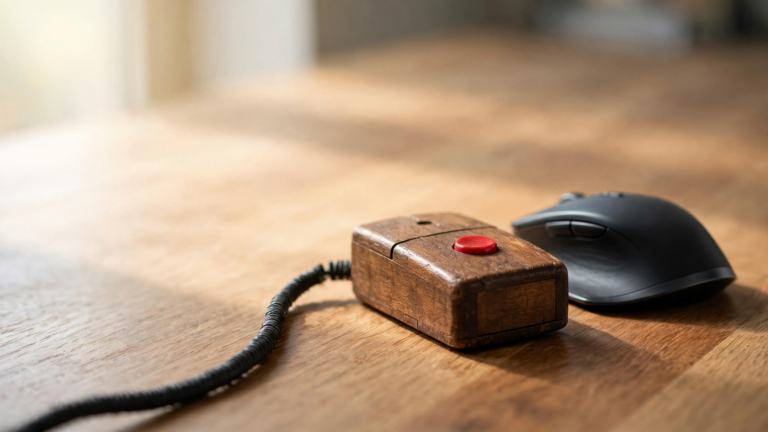
From a wooden prototype at a 1968 demonstration to an everyday tool on desks around the world, the computer mouse…
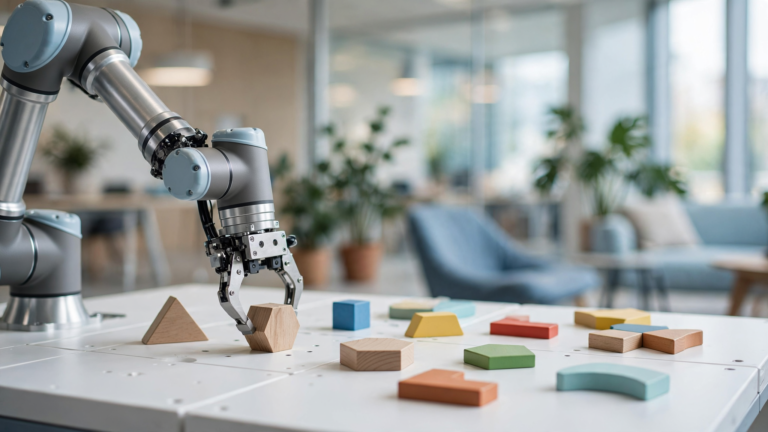
Long before today’s AI systems became household names, two computer scientists developed a way for machines to learn through action,…
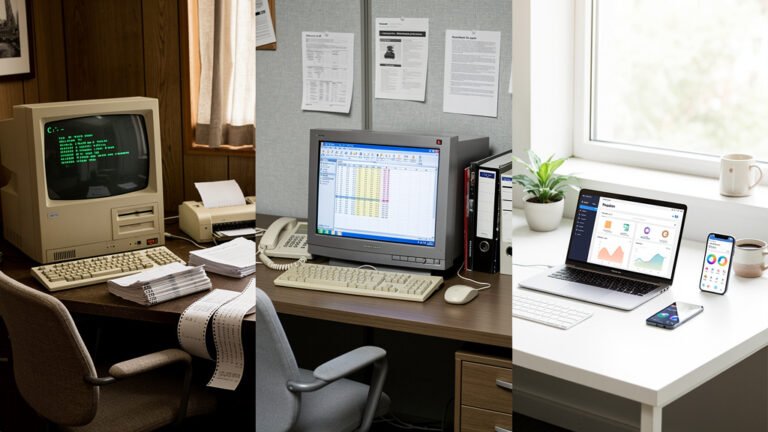
Computers Leave the Laboratory Early computers occupied rooms and required specialized operators. The arrival of microprocessors eventually made it possible…