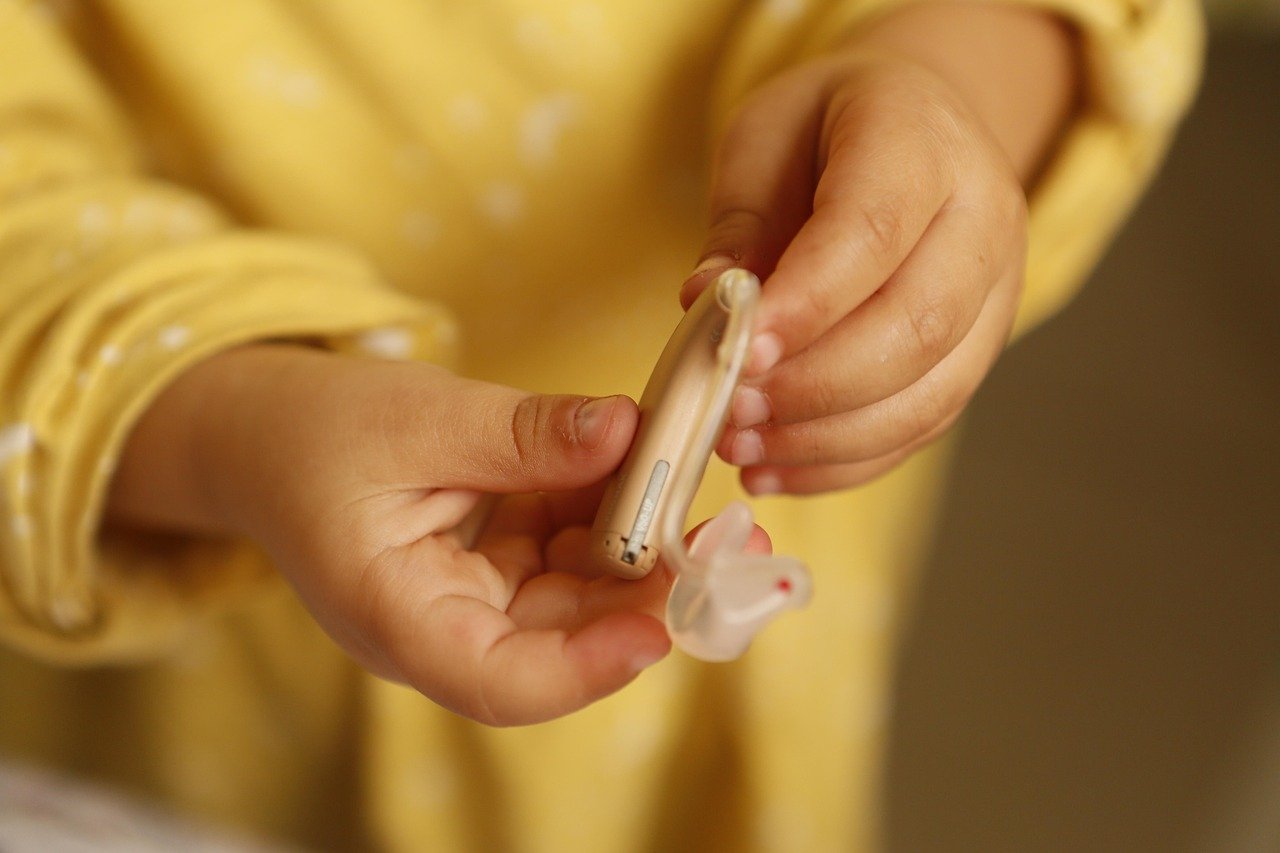
Hearing aids are designed to make sounds easier to hear. A large clinical trial asked whether they might also help protect an older person’s thinking abilities over time. Its answer was nuanced: the devices did not slow cognitive decline across the entire study group, but they were associated with slower decline among participants who began the study at higher risk.
The distinction matters. The study offers a reason to take hearing care seriously as part of healthy aging, while stopping short of showing that hearing aids prevent dementia. It also highlights why a promising average result should not be treated as a guarantee for every person.
A trial built to test a practical question
The ACHIEVE study enrolled 977 adults ages 70 to 84 who had untreated hearing loss but no substantial cognitive impairment at the outset. Researchers randomly assigned participants to one of two programs. One offered hearing aids, professional fitting and follow-up support. The other provided health education sessions on topics unrelated to hearing.
Participants were followed for three years, with researchers measuring changes in cognitive performance using a set of tests. The study was not a test of hearing aids as a treatment for dementia: participants were not being treated for a diagnosed dementia condition, and the principal question was whether the intervention changed the pace of cognitive decline.
The researchers recruited people from two different sources. Some were older participants in a long-running cardiovascular study, a group considered at higher risk for cognitive decline. The rest were newly recruited volunteers who, on average, had lower risk. That mix became important when the results were analyzed.
One result across the whole group; another in a higher-risk group
Across all 977 participants, the hearing intervention did not significantly change the rate of cognitive decline compared with the health education program. That is the clearest overall result—and a necessary part of any account of the trial.
But the researchers had also planned to examine the higher-risk group separately. Among those 238 participants, the hearing intervention was associated with a 48 percent slower rate of cognitive decline over three years than in the comparison group. The effect was not seen in the lower-risk volunteers.
That does not mean every older adult with hearing loss should expect a 48 percent reduction in decline. The figure describes a comparison between groups in a particular trial subgroup. It is not a prediction for an individual, and the study did not establish that hearing aids prevent dementia. The difference between the overall result and the subgroup result is precisely why the finding calls for careful interpretation.
Why hearing and cognition may be connected
Researchers have several ideas about how hearing loss might relate to cognitive health, but the trial did not settle which explanation is right. When sounds are harder to distinguish, a person may need to devote more effort to following speech. Hearing difficulty can also make conversation and social participation more challenging. Over time, these pressures could matter for mental activity and connection with other people.
Those possibilities are not proof that hearing loss directly causes cognitive decline, or that restoring access to sound reverses it. Health, education, social circumstances and other factors can influence both hearing and cognition. The ACHIEVE trial is valuable because it tested an intervention rather than relying only on observing that two conditions occur together. Even so, its different results across the two participant groups leave questions for future research.
What the findings mean for everyday hearing care
The study supports a practical message: hearing loss is worth addressing for its direct effects on communication and daily life, regardless of whether a person is at elevated risk for cognitive decline. The World Health Organization notes that hearing loss can affect communication and participation, and that appropriate care depends on the person’s needs and circumstances.
Hearing aids are not a one-size-fits-all fix. A hearing assessment can help identify the type and degree of hearing loss, and a hearing-care professional can discuss whether devices, other assistive technologies or additional evaluation are appropriate. The intervention in ACHIEVE involved more than simply handing participants a device; it included fitting and ongoing support.
For someone noticing trouble following conversations, frequently turning up the television, or missing sounds others hear, the study is not a reason to self-diagnose. It is a reason to raise the concern with a qualified health professional. The trial also does not replace other steps associated with healthy aging, such as managing medical conditions and staying socially engaged.
A promising signal, not a prevention claim
ACHIEVE adds important evidence to a growing discussion about hearing and brain health. Its strongest caution is built into its main finding: there was no significant benefit across the full study population. Its hopeful signal is that older adults at higher risk experienced slower cognitive decline in the hearing-intervention group.
Further research can help determine whether that subgroup result is sustained and which people are most likely to benefit. For now, hearing aids should be understood as a treatment for hearing loss—not as a proven way to ward off dementia. The trial’s contribution is more measured: improving hearing may have benefits that reach beyond hearing for some older adults, and that possibility deserves continued study.