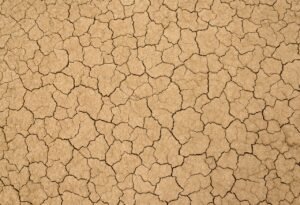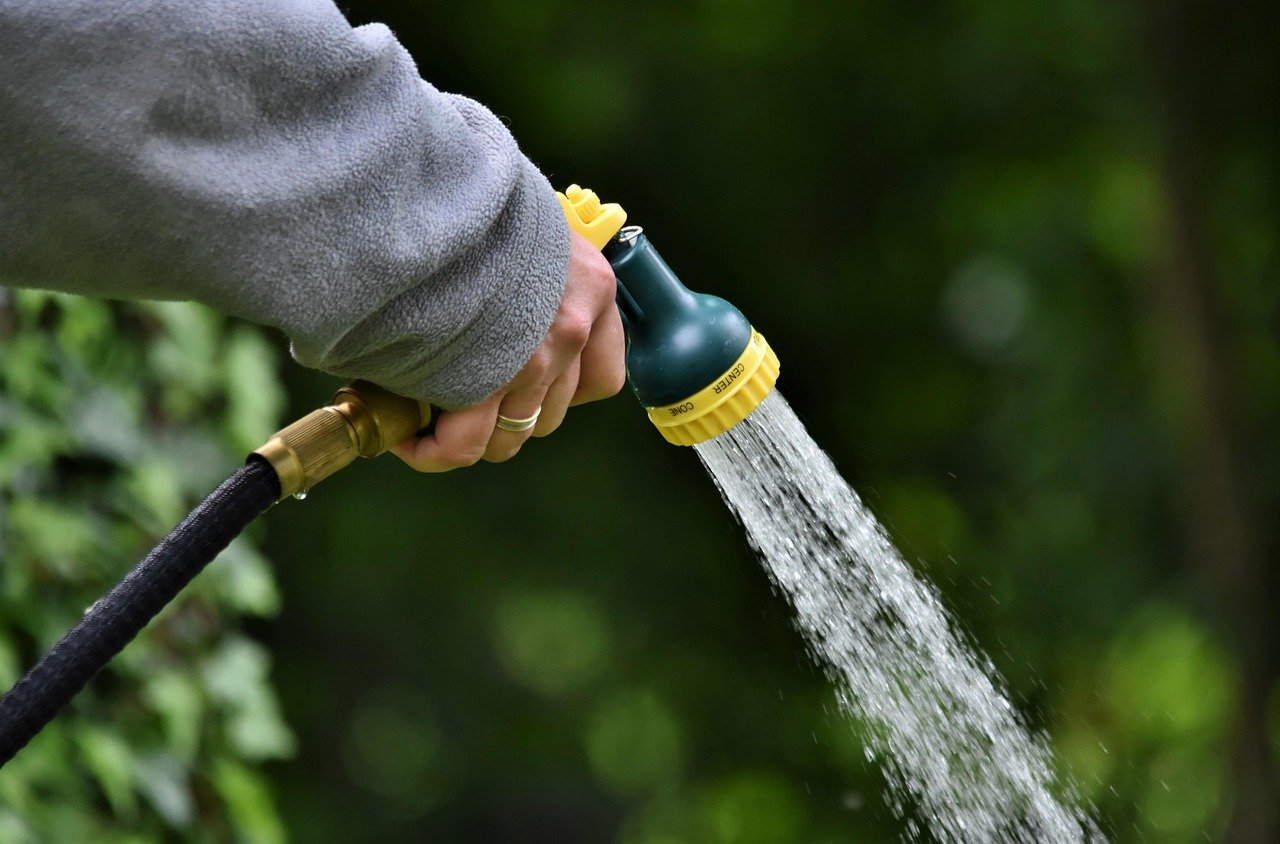
A garden can look thirsty on a sunny afternoon and still have moist soil around its roots. It can also look fine while newly planted seedlings are drying out below the surface. That is why a reliable watering routine begins with observation, not a calendar reminder.
Good irrigation is less about delivering the same amount of water every day than about getting water where plants can use it, then checking whether it reached the soil at the right depth. Climate, soil, plant type, wind, sun and recent rain all affect how quickly a garden dries. A few simple checks can make watering more deliberate—and help avoid both wilting and waterlogged roots.
Check the soil before turning on the tap
Start near the plants’ roots. Push a finger into the soil, or use a small hand trowel to check a little below the surface. If the soil is still damp where the roots are growing, watering may be unnecessary. If it is dry, water slowly and check again after the water has had time to soak in.
Surface conditions can mislead: the top layer may dry quickly in sun and wind while the soil below stays moist. Conversely, a light sprinkle can make the surface look wet without delivering much water to the roots. Checking below the surface gives a more useful picture.
Different plants need different attention. Recently planted seeds and seedlings have shallow roots and may need more frequent checks than established plants. Containers can dry faster than nearby garden beds, especially in hot or windy conditions. Follow local guidance for particular crops and account for any water-use restrictions in your area.
Apply water slowly and close to the soil
When the soil needs water, aim for the root zone rather than spraying the whole garden. A watering can, soaker hose or drip line can deliver water near plants while keeping much of the foliage dry. Drip irrigation uses emitters to release water gradually near the soil; a soaker hose seeps along its length. Either can be useful, but the right choice depends on the layout, plants and water pressure.
Slow delivery matters. If water runs off a slope or pools on compacted ground, pause and let it soak in, then resume. A short burst that disappears into a path is not the same as watering the root zone. Mulch can help slow evaporation from soil, though it should not be piled against stems or trunks.
Overhead sprinklers can work well for some beds, but they may wet paths and leaves as well as soil. If you use one, check where the water actually lands. Watering earlier in the day often gives foliage time to dry, while local weather and plant-disease guidance can shape the best timing for your garden.
Measure what your irrigation system delivers
Run a sprinkler for a set period and place several straight-sided containers around the area. Compare how much water each collects. If some are nearly empty and others are full, the pattern is uneven; moving the sprinkler or changing its settings may help. This simple test can reveal coverage problems that are hard to see while the system is running.
For drip lines, watch the emitters during a watering cycle. Look for clogged or damaged outlets, leaks, and plants that are not receiving water. An irrigation system can appear to be working while one section delivers very little. Periodic inspection is especially useful after moving lines, doing garden work or changing the planting layout.
Keep a basic rain gauge or note rainfall from a reliable local weather service, but treat rain as a prompt to check—not proof that every bed received enough. Roofs, tree canopies and wind can change where rain lands. The soil check remains important.
Let weather and plant needs set the rhythm
A fixed schedule is easy to remember, but it cannot account for a cool, rainy week followed by a hot, windy one. Check conditions before watering and adjust the frequency as the weather changes. The U.S. Environmental Protection Agency’s WaterSense guidance also describes weather-based and soil-moisture-based irrigation controllers, which can adjust schedules using local conditions or readings from the landscape. These devices may help manage automated systems, but they still need appropriate settings and occasional attention.
For a small garden, the simplest system may be a hose and a short routine of checking soil and inspecting plants. For a larger bed, drip irrigation or a soaker hose can reduce the work of delivering water to individual areas. Neither equipment nor automation removes the need to notice where water is going.
Use plant signals as clues, not a substitute for checking
Wilting can indicate a need for water, but it is not a diagnosis by itself: heat stress and other problems can also affect a plant’s appearance. Check the soil before responding. Yellowing leaves or persistently soggy soil can be signs to investigate drainage and watering frequency rather than add more water.
Build the routine around three questions: Is the soil dry where the roots are? Is water reaching the plants rather than the path? And is the delivery rate slow enough to soak in? Answering those questions regularly can make irrigation more responsive than following a one-size-fits-all timetable. The goal is not to water as often as possible; it is to give each part of the garden water when and where it can use it.