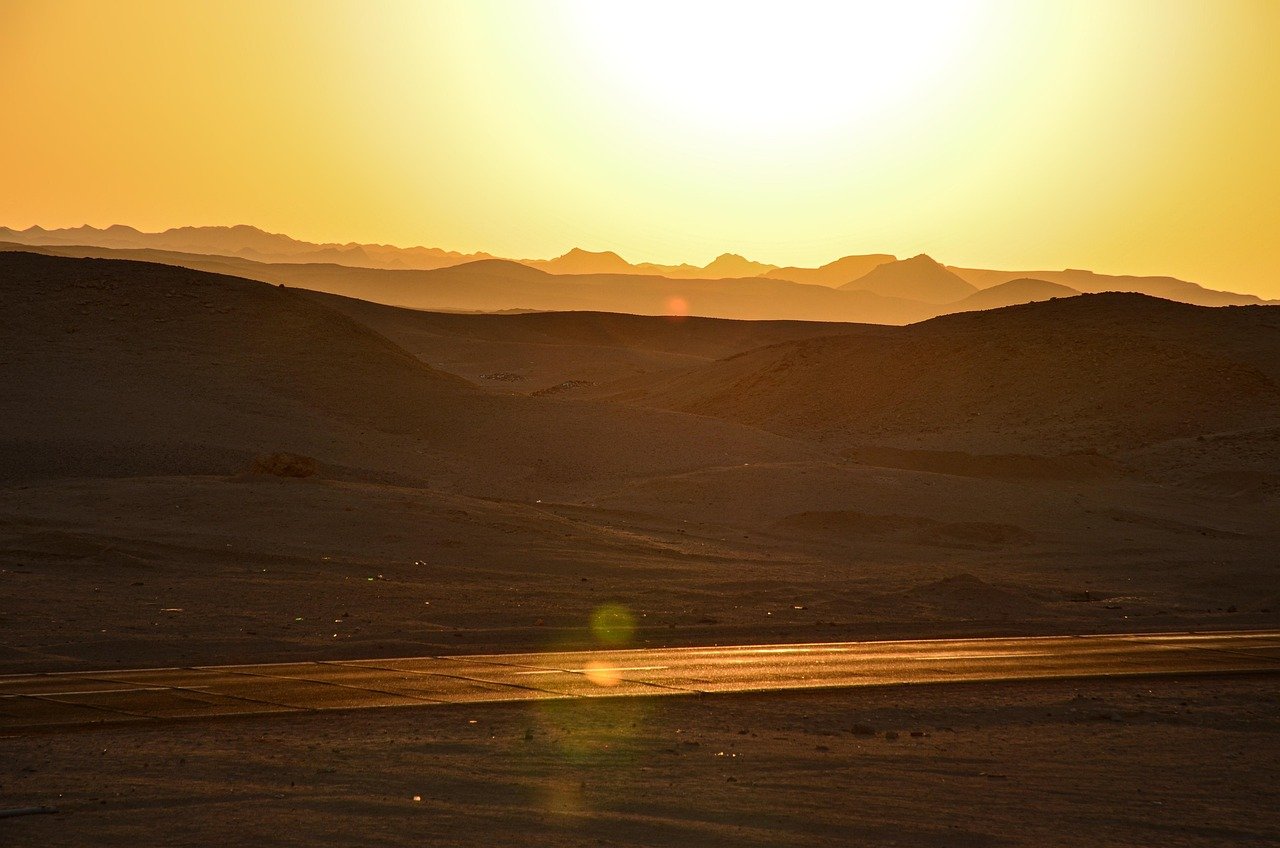
A person who moves to Arizona in July may discover that knowing the forecast and being ready for the heat are two different things. Even longtime desert residents can be caught off guard by an early-season heat wave, a strenuous outdoor job or a sudden return to exercise outside.
The body can adapt to repeated heat exposure, a process called heat acclimatization. But it happens gradually. Simply living in a hot place is not a guarantee of protection, and acclimatization does not make dangerous conditions safe.
What changes as the body adapts
The National Institute for Occupational Safety and Health (NIOSH) describes acclimatization as a series of physiological adjustments to working in heat. With repeated exposure, the body can become more effective at managing heat strain. Some changes include beginning to sweat sooner and increasing sweat production, while the heart and circulation face less strain during a comparable workload.
These adjustments are built through repeated, carefully managed exposure—not by pushing through exhaustion on the first hot day. NIOSH recommends increasing heat exposure gradually, generally over one to two weeks. Its guidance also distinguishes between people who are new to hot work and those with recent experience, who may acclimatize more quickly. The underlying point is the same: start with a lighter workload and shorter exposure, then increase them in stages.
Why desert residents still need a plan
Acclimatization can fade when someone spends time away from heat, so a vacation, illness or break from outdoor work may change how prepared a person feels on returning. A heat wave can also arrive faster than a gradual training plan can keep pace. In those situations, reduce exertion, take breaks in a cooler place and follow workplace heat-safety procedures rather than assuming past experience is enough.
Practical protections still matter: schedule strenuous activity for cooler hours when possible, use shade or air conditioning for recovery, and drink fluids regularly. For outdoor workers, employers should provide access to water, rest and shade and should have a plan for responding to heat illness. NIOSH and the Occupational Safety and Health Administration (OSHA) emphasize these controls alongside gradual acclimatization; adaptation is one layer of protection, not a substitute for them.
Know when heat is an emergency
Heat illness can become serious even in people who are familiar with hot weather. Confusion, fainting, seizures or loss of consciousness call for emergency help. If someone appears severely ill, move them to a cooler place while help is on the way, and follow emergency responders’ instructions. Do not assume that a person can simply “get used to” symptoms.
People differ in their heat risk. Health conditions, medicines, age, exertion and access to cooling can all affect how someone handles high temperatures. Anyone with questions about how a medical condition or medication affects heat safety can ask a clinician or pharmacist; workers can also consult their employer’s safety staff.
Desert life may teach people to respect the sun, but familiarity is not a biological shield. A gradual return to outdoor exertion, paired with rest, cooling and a response plan, is a more reliable approach than trying to prove toughness against the thermometer.