Falls are not an inevitable part of getting older, but they are a serious health concern. A randomized trial published in 2018 found that a structured tai chi program reduced falls among adults aged 70 and older who were already at increased risk. The finding does not mean every tai chi class will have the same effect. It does show why carefully designed balance training is part of the conversation about staying steady and independent.
What the trial tested
Researchers enrolled 670 community-dwelling older adults at elevated risk of falling and assigned them to one of three programs: Tai Ji Quan: Moving for Better Balance, a multimodal exercise program, or stretching. Participants attended hour-long sessions twice a week for 24 weeks. The researchers tracked falls for 12 months.
The tai chi group had a lower rate of falls than either comparison group. Its fall rate was 58% lower than the stretching group’s and 31% lower than the multimodal exercise group’s. These are comparisons within this particular study—not a promise that an individual will reduce their own risk by those amounts.
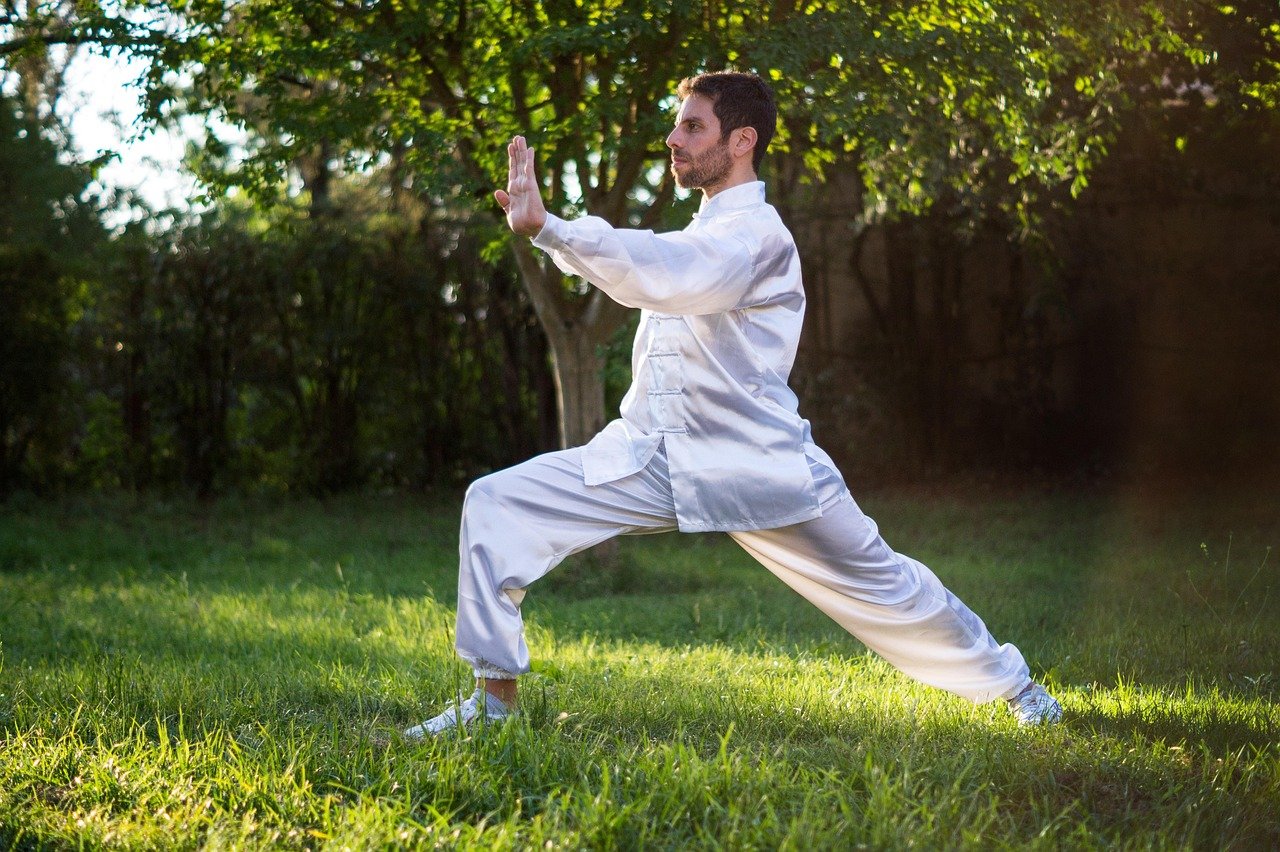
The intervention was more specific than simply asking participants to practice a few tai chi movements. Tai Ji Quan: Moving for Better Balance is a structured program that uses controlled weight shifts, coordinated movement and changes in stance. Those elements challenge balance while giving participants a chance to practice moving with control.
Why balance practice may matter
Staying upright depends on several abilities working together: balance, leg strength, coordination and the capacity to adjust when the body shifts. Exercises that practice controlled movement can address some of those skills. The trial’s comparison with both stretching and a broader exercise program is useful because it suggests the program’s particular approach may matter—not just attending a class or being active in general.
Still, the study has limits. It tested one defined program in older adults who were at higher risk of falling, rather than every older person or every style of tai chi. A result from a group cannot predict exactly what will happen for an individual, and the study does not establish that tai chi replaces other fall-prevention steps.
Making fall prevention practical
The National Institute on Aging recommends talking with a health care provider about falls, reviewing medicines that may affect balance, checking vision and making the home safer. Regular activity that supports strength and balance can also be part of a prevention plan. A clinician or physical therapist can help someone choose an appropriate starting point, especially after a recent fall, with ongoing dizziness, or when a health condition affects movement.
For someone interested in trying tai chi, the trial offers a useful question to ask a local senior center, community program or health provider: Is there an instructor-led, evidence-based balance program designed for older adults? The study does not show that any class will reproduce its results, but it gives older adults and clinicians a tested model to discuss.
The broader lesson is practical rather than dramatic: balance can be practiced, and fall prevention can involve more than one step. A suitable movement program may be one part of a plan tailored to a person’s health, abilities and surroundings.