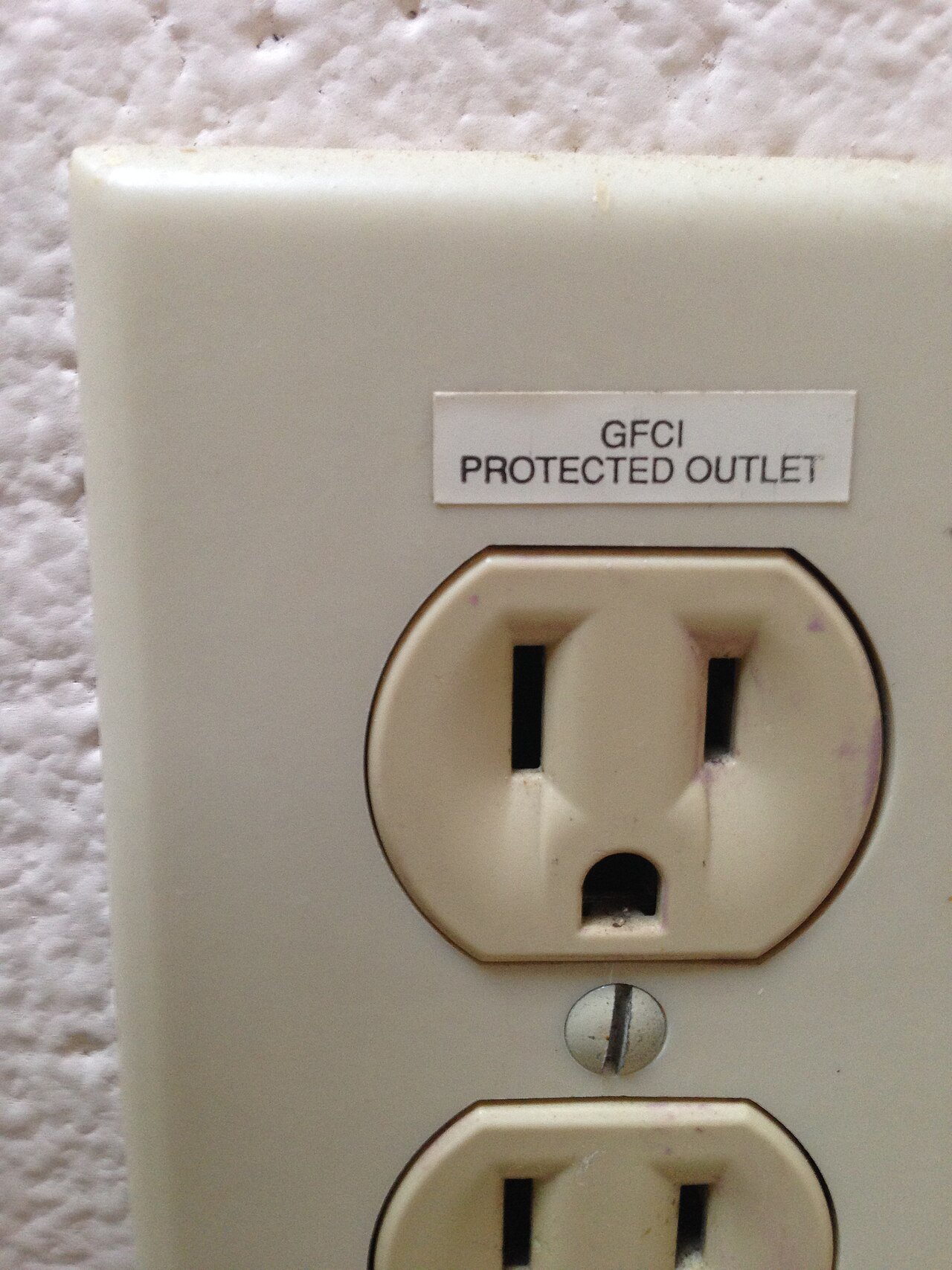
That pair of buttons marked TEST and RESET is more than a convenience. It’s the built-in check for a ground-fault circuit interrupter, or GFCI: a device designed to shut off power when it detects a difference between the electricity flowing out and returning through a circuit. That fast cutoff can help reduce the risk of a severe electric shock.
GFCIs are commonly found where electricity and water could meet, including bathrooms, kitchens, garages and outdoor areas. Exact requirements depend on the electrical code and the home’s age, so the presence or absence of a GFCI does not, by itself, tell you whether an installation meets current rules.
Test the outlet in a few steps
- Choose a dry time and place. Keep your hands dry and stand on a dry surface. Don’t test an outlet that looks damaged, feels hot, smells like burning, or has sparked. Leave it alone and contact a qualified electrician.
- Check that power is on. Plug in a small lamp or night-light and switch it on. If it doesn’t light, the outlet may already have no power; the test won’t tell you why.
- Press TEST. The outlet should trip, cutting power to the lamp. A GFCI receptacle may also protect other outlets wired downstream, so one press can interrupt power at more than one location.
- Press RESET. The lamp should come back on. If the outlet trips and resets as expected, the basic test has worked.
Consumer safety guidance recommends testing GFCIs regularly; the U.S. Consumer Product Safety Commission advises testing them monthly. Follow the instructions on the device as well, since models can differ. Make a repeating calendar reminder if that helps turn the check into a habit.
If it won’t reset or the test seems to fail
If pressing TEST does not cut power to the lamp, or RESET will not restore it, don’t assume the outlet is protecting you. Stop using it for equipment that could expose someone to shock, and arrange for an electrician to inspect it. A GFCI may refuse to reset because it has detected a problem; a tripped breaker, loss of power elsewhere, or a wiring issue can also be involved. The buttons alone cannot identify the cause.
Do not remove the faceplate or try to repair wiring as a beginner. Outlets can remain hazardous even when they appear to be off, and electrical work may be subject to local rules. If the outlet is wet, damaged, unusually warm, or repeatedly trips, leave it unused and seek professional help.
What the test does—and doesn’t—tell you
A successful button test checks that the GFCI’s test-and-reset mechanism responds. It does not certify the condition of every wire or prove that the entire circuit is safe. Nor is a GFCI the same as an arc-fault circuit interrupter (AFCI), which addresses a different kind of electrical hazard. Both devices have specific purposes, and one should not be treated as a substitute for the other.
A monthly test takes only a moment, but it gives you a useful signal: whether the GFCI responds when asked. If it doesn’t, the safest next step is not more button-pushing or a DIY wiring repair. It’s an inspection by someone qualified to find out why.