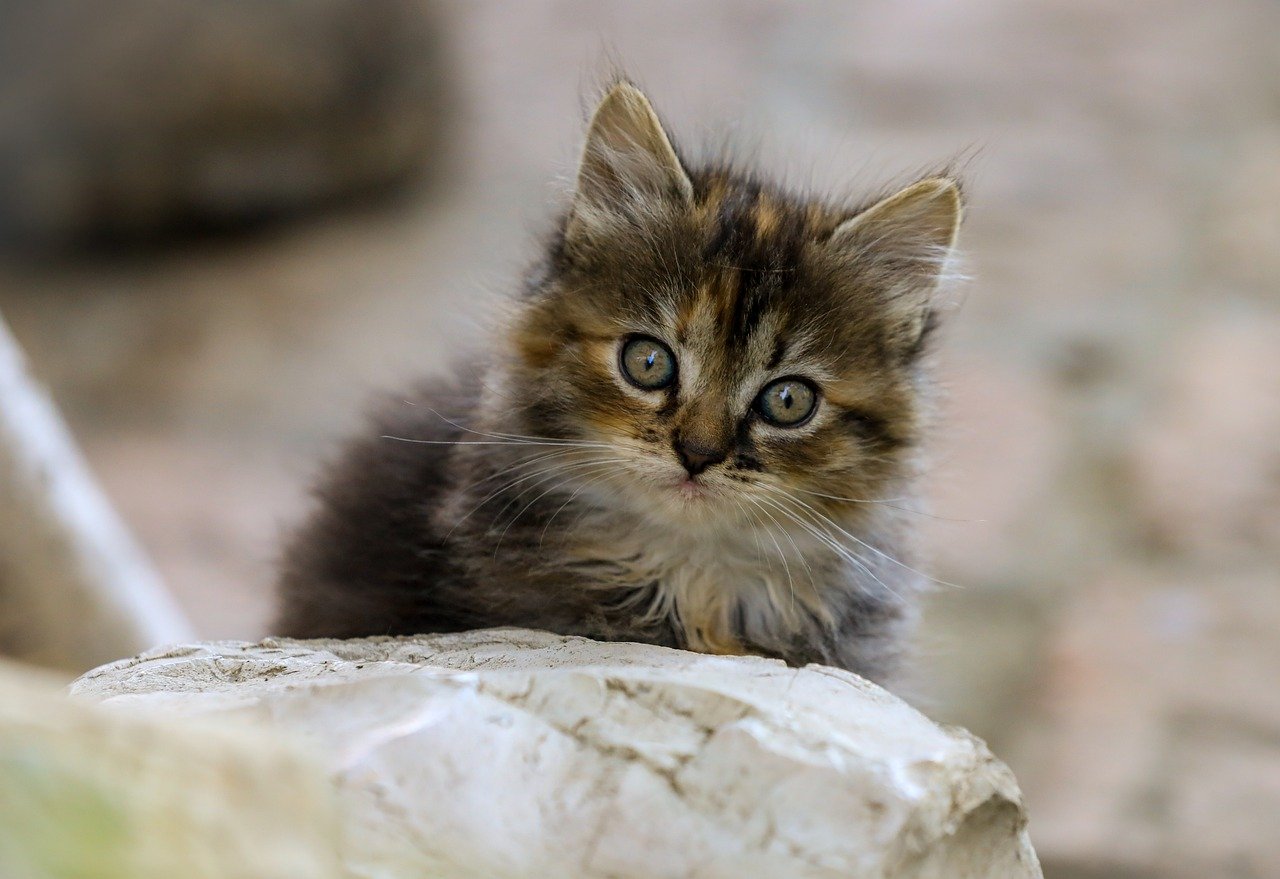
A cat’s half-closed eyes can look like a sleepy expression. But a 2020 study suggests that when a person slowly narrows their eyes and blinks at a cat, the animal may answer with a similar movement—and may be more willing to approach.
The research, published in Scientific Reports, tested this familiar “slow blink” in two experiments. It offers evidence that cats can respond to a particular human facial signal. It does not show that every slow blink means the same thing to every cat, or that the gesture is a reliable translation of feline feelings.
Two experiments, one small signal
In the first experiment, owners sat near their cats and either slowly narrowed their eyes or kept a neutral expression. The researchers recorded the cats’ responses. The cats were more likely to produce slow-blink movements after their owners did so than when their owners kept a neutral face.
A second experiment tested whether cats responded similarly to an unfamiliar person. That person made the slow-blink expression or maintained a neutral face, then offered a hand toward the cat. Cats were more likely to approach the outstretched hand after the slow-blink interaction than after the neutral one.
These results suggest the movement can work as a small social cue between people and cats. The experiments were modest in size—21 cats took part in the owner experiment and 24 in the unfamiliar-person experiment—so they are a starting point, not a complete guide to how cats communicate.
Why the finding is useful at home
People often read a cat’s behavior through human expectations. A cat that looks away might seem uninterested; one that closes its eyes might seem especially content. The study offers a more practical idea: try a gentle, unhurried expression and then give the cat the choice to respond.
If you want to try it, wait until your cat is settled and has a clear view of you. Soften your gaze, slowly narrow your eyes for a moment, then open them again. Avoid staring, leaning over the cat, or moving in to touch it immediately. The point is to make a low-pressure invitation, not to demand attention. If the cat turns away, moves off, or otherwise does not engage, let it be.
A returned blink can be an encouraging moment, but it should be read alongside the rest of the cat’s behavior and the situation. One facial movement alone cannot tell you exactly what an animal is feeling. The study’s approach test also found a greater likelihood of approach, not a promise that a cat will come closer every time.
A conversation without words
Domestic cats and people share homes, but they do not communicate in precisely the same ways. Research like this helps make one small part of that relationship easier to notice: cats can respond to human behavior, and people can adjust their own signals to make interactions less forceful.
That does not require a special technique or a cat to perform on cue. A slow blink is simply one gentle option to try when a cat seems comfortable. The most useful response may be the simplest one: offer the signal, watch what the cat does, and allow it to choose whether the conversation continues.