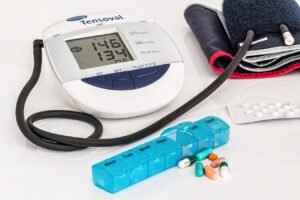
A blood pressure number can look precise: two figures, neatly displayed on a monitor. But it is a snapshot, and the circumstances around that snapshot can affect what it shows. A too-small cuff, a rushed measurement or a conversation during the reading can make the result less useful.
Measuring at home with a validated monitor can help you and your health care professional see readings beyond the clinic. It does not replace a diagnosis or care from a clinician. Instead, a careful routine can provide a more dependable record to discuss together.
Start with a suitable monitor and cuff
The American Heart Association recommends an automatic monitor that measures blood pressure on the upper arm. Wrist and finger devices are generally less reliable. If possible, bring your monitor to a health appointment so staff can check that you are using it correctly and compare its readings with the office equipment.
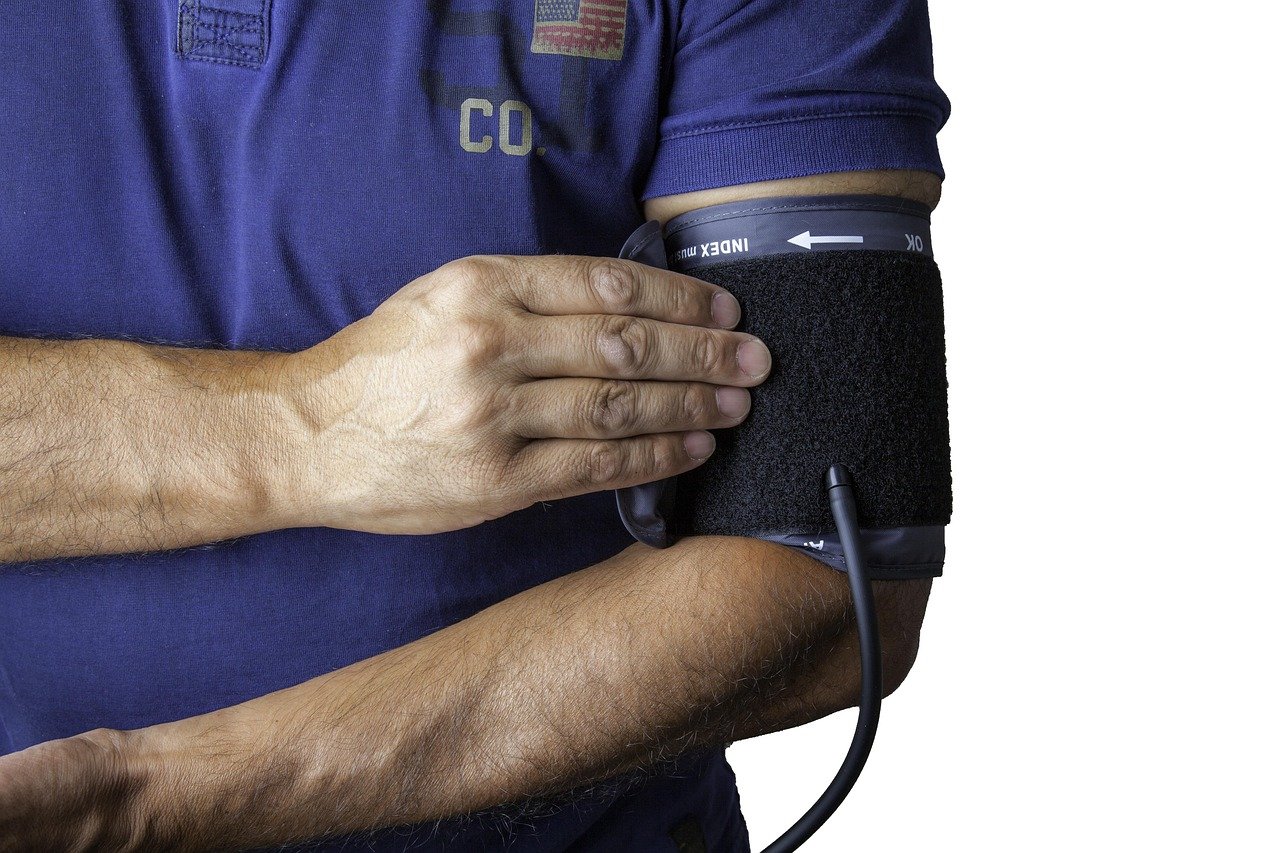
Cuff fit matters. The inflatable part must be the right size for your arm; a cuff that is too small or too large can lead to an inaccurate measurement. Measure your upper arm and use the size guide supplied by the device maker or ask a health professional which cuff fits. Put the cuff on bare skin rather than over clothing.
Choose a device that has been independently validated for accuracy, rather than relying on appearance or a low price alone. Your clinician or pharmacist may be able to help you identify an appropriate model. If you are pregnant, have an irregular heart rhythm or have a particularly large or small arm, ask whether a specific device or cuff is suitable for you.
Set up the same way each time
For a more consistent reading, avoid smoking, caffeine and exercise for at least 30 minutes beforehand. Empty your bladder, then sit quietly for about five minutes. These steps help reduce the influence of recent activity or discomfort.
Sit in a chair with your back supported and both feet flat on the floor. Keep your legs uncrossed. Rest your arm on a table so the middle of the cuff is about level with your heart. Relax your hand and arm. Do not talk, text or watch something that makes you tense while the monitor is running.
These details may seem fussy, but they make readings easier to compare. Measuring with your arm unsupported, for example, can affect the result. So can sitting with crossed legs or taking a reading immediately after climbing stairs.
Take more than one reading
Follow the monitor’s instructions for fitting the cuff and starting a measurement. Take two readings about one minute apart and write down both. A single reading may be affected by a brief change in how you feel; a pair gives a more useful glimpse of that moment.
If your clinician has asked you to monitor at home, ask how often and for how many days to take readings. A common approach is to measure at consistent times, such as morning and evening, but the right plan depends on why you are monitoring. Do not change prescribed medication or take extra doses in response to a number unless your clinician has given you a specific plan.
Record the date, time and readings. Some devices store results or send them to an app, but a written log works too. Bring the record to appointments. If you use an app, check that the information is being saved correctly and that you know how to share it with your care team.
Why home readings can help
Blood pressure can differ between a clinic and home. Some people have higher readings in a medical setting, while others may have elevated readings outside it. That is one reason the U.S. Preventive Services Task Force recommends confirming a high screening result with measurements outside the clinical setting before starting treatment for high blood pressure in adults. A home log may be part of that process, although a clinician may recommend another method, such as wearing a monitor for a full day.
Home readings can also help show whether blood pressure is changing over time or how it responds to treatment. But the pattern matters more than an isolated figure, and the target that is right for one person may not be right for another. Your clinician can interpret the results in light of your health and medications.
When a number needs attention
If a reading is higher than you expected, sit quietly and repeat it after at least a minute, following your usual technique. Note both results and contact your health professional for guidance if readings are repeatedly outside the range they have discussed with you.
A very high reading accompanied by symptoms such as chest pain, shortness of breath, weakness, numbness, vision changes or difficulty speaking can be an emergency. Call your local emergency number rather than waiting for a routine appointment. If a reading is around 180 systolic or 120 diastolic or higher, the American Heart Association advises waiting at least one minute and checking again; if it remains that high, contact a health professional immediately. Symptoms of a possible emergency warrant emergency care.
Good home monitoring is not about chasing a perfect number. It is about making the measurement carefully, keeping a record and sharing the pattern with someone qualified to interpret it. A few minutes of consistency can make a small screen’s snapshot much more useful.