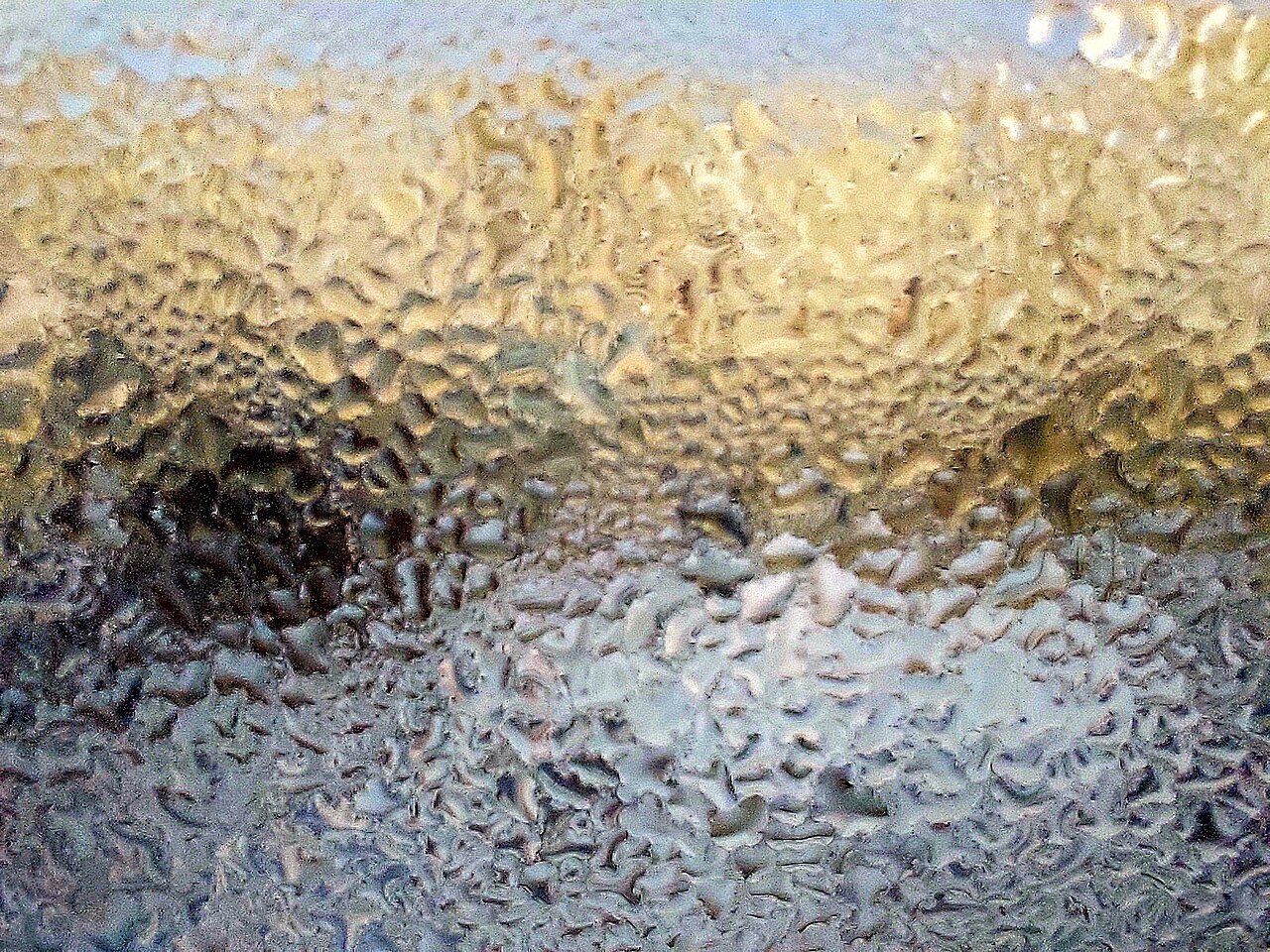
On a cold morning, droplets on the inside of a window can look like a window problem. Sometimes they are. But often the glass is simply the coldest surface in the room, collecting moisture from indoor air. The useful question is not just how to wipe it away, but why there is enough moisture in the air to condense—and whether the window is cold because of its design, condition or surroundings.
Condensation forms when moist air meets a surface cool enough for water vapor to turn into liquid. A little fogging in very cold weather may be temporary. Repeated wet glass, damp sills or water running down the frame deserve attention: lingering moisture can damage finishes and create conditions that support mold.
First, work out where the water is
Check both sides of the window and, if it is double- or triple-glazed, look at whether the moisture is on the room-facing glass or trapped between panes.
- On the room-facing surface: Indoor humidity and a cold pane are likely contributors. Check whether the sill or frame is also wet.
- Between panes: The sealed glass unit may have failed. Wiping the inner or outer surfaces will not remove moisture trapped inside. Ask a window professional to assess whether the unit can be repaired or needs replacement.
- On the outside: This is a different condition from indoor condensation. If it clears as the weather changes, it may not indicate a leak into the home. Check for water entering around the frame or damaging exterior materials separately.
If you cannot tell which surface is wet, carefully wipe the room-facing glass with a dry cloth. If the moisture remains, inspect the outside or ask a professional to check the window. Avoid prying apart sealed glazing.
Look for moisture sources before changing the window
Everyday activities add water vapor to indoor air. Cooking, showering, drying clothes indoors and even breathing all contribute. A sudden change—such as a new humidifier, more indoor laundry drying or a kitchen exhaust fan that no longer works—can explain why condensation has appeared.
For a few days, notice when the glass gets wet and what is happening in the home. Does it happen after showers, while cooking, or mainly overnight in a bedroom with the door closed? A small indoor humidity meter can help you compare readings in different rooms and at different times. The U.S. Environmental Protection Agency advises keeping indoor relative humidity below 60%, ideally between 30% and 50%. Those are broad indoor-air guidelines, not a promise that every window will stay dry at a particular reading: very cold weather can make glass cold enough to condense moisture even when humidity is lower.
Reduce moisture and move it outside
Try practical changes that address the source instead of masking the symptom:
- Use a working kitchen exhaust fan while cooking, and a bathroom exhaust fan during showers and for a while afterward. The fans should discharge outdoors, not into an attic or another enclosed space.
- Cover pots when practical and use a fan or open a window briefly if cooking creates a lot of steam and conditions allow.
- If you dry laundry indoors, consider a different location or make sure the room is adequately ventilated.
- Check a humidifier’s setting and reduce or pause it if indoor humidity is high and windows are wet.
- Wipe standing water from glass and sills, then keep an eye on the area. Drying the surface helps limit damage, but it does not solve the moisture source.
Don’t try to fix recurring condensation by simply blocking every air leak. Air sealing can improve comfort and reduce drafts, but homes still need appropriate ventilation. If you are planning extensive air sealing, or your home has fuel-burning appliances, ask a qualified professional whether ventilation and combustion safety need to be checked as part of the work.
Check the window and its surroundings
Cold glass can be made worse by a damaged frame, deteriorated seals, a poorly fitted window or a draft that brings cold air across the interior surface. Look for cracked caulk, loose trim, visible gaps and signs of water damage. Also check whether curtains or blinds are kept tightly closed against the glass; restricted air movement can leave the window surface colder and make condensation more likely.
Do not seal drainage openings designed into a window frame. If you find a gap, identify what it is before applying caulk or weatherstripping. For an uncertain leak, damaged frame or persistent moisture between panes, get an experienced window or building professional to inspect it before replacing the whole window.
When to get help
Arrange an inspection if water keeps collecting despite reasonable humidity and ventilation changes, if wood or plaster is soft or discolored, if you notice a persistent musty smell, or if moisture is trapped between panes. Also get help if you suspect water is entering from outdoors: rain leaks and indoor condensation can look similar but need different repairs.
A useful first response is simple: identify the wet surface, track when the moisture appears, and reduce indoor humidity at its source. That can prevent unnecessary window replacement—and helps reveal when the window really does need repair.