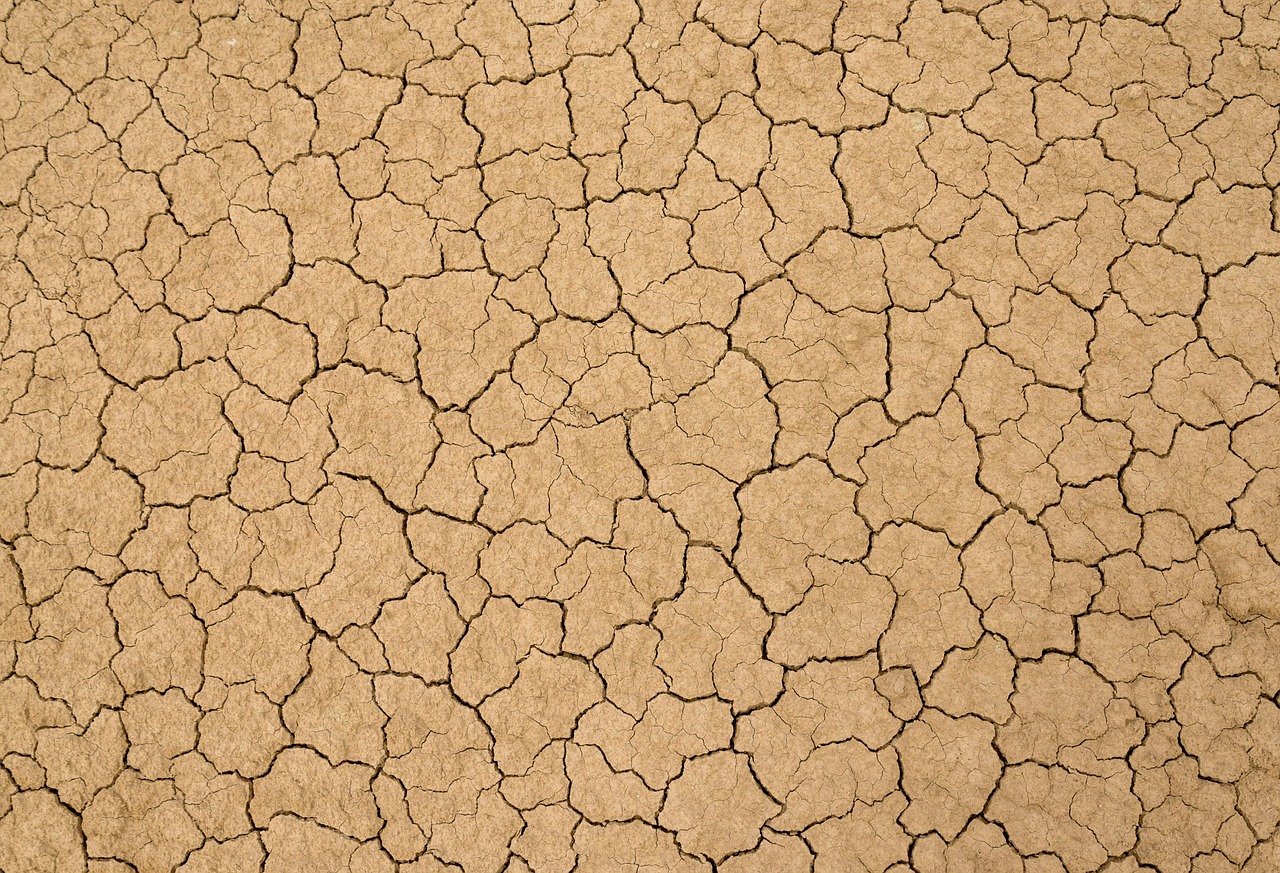
When garden soil is sticky, slow to drain and hard to dig, adding sand may sound like a simple fix. But mixing a little sand into clay is not a dependable way to turn it into loose, workable soil. Colorado State University Extension warns that sand added to clay can produce a dense mixture resembling concrete. The more useful goal is usually not to change the soil’s basic texture, but to improve its structure and work with the conditions you have.
That distinction matters. Texture describes the relative amounts of sand, silt and clay in soil. Structure describes how those particles group together, leaving spaces for air and water. A gardener cannot readily change a yard’s underlying mineral texture with a bag or two of sand. But soil structure can improve with organic matter, roots and gentler handling.
Why a little sand can make things worse
Clay particles are very small; sand grains are much larger. Adding a modest amount of sand does not necessarily create the open, sandy soil a gardener wants. Instead, the mixture may remain tight and difficult to work. Changing the overall texture would take far more sand than most home gardeners can reasonably add, and the result would still depend on how the materials are mixed and on the soil’s starting composition.
That does not mean sand is never useful in gardening. It can be an appropriate ingredient in some potting mixes or specialized construction projects. The warning is about treating sand as a quick amendment for an existing clay garden bed.
Think structure, not a soil makeover
Healthy garden soil is more than a particular texture. Soil structure affects how water enters and moves through the ground, how much air reaches roots, and how easily roots can grow. Organic matter—such as finished compost—can help soil particles form aggregates, or small groups, with pores between them. Those spaces help water and air move through the soil.
Compost is not a permanent cure or a way to erase clay. Organic matter decomposes, so its effects need maintenance over time. The U.S. Department of Agriculture’s Natural Resources Conservation Service describes soil health as a system of physical, chemical and biological properties. In a garden, that is a useful reminder: adding compost can help, but soil also responds to roots, living organisms, water and how often it is disturbed.
A practical approach for a clay garden bed
- Wait until the soil is workable. Digging or tilling wet clay can smear and compact it, leaving dense clods as it dries. Take a handful and squeeze it: if it stays in a sticky, shiny lump, wait. If it crumbles when pressed, it is more likely to be ready for work.
- Use finished compost, not sand, as an amendment. Spread a modest layer of mature compost and mix it into the bed only when the soil is not wet. The right amount depends on the bed, the compost and what you plan to grow; follow local extension guidance and any soil-test recommendations rather than assuming that more is always better.
- Keep soil covered between crops. Mulch or living plants can protect the surface from hard rain and temperature swings. As plant material breaks down, it contributes organic matter. Keep thick mulch pulled back from plant stems, and use a material suited to the crop and climate.
- Limit unnecessary disturbance. Repeatedly turning or walking on beds can break up structure or compact soil. Use paths to keep foot traffic out of growing areas, and avoid working the bed when it is saturated.
- Choose plants and beds with the site in mind. Some plants tolerate heavier soil better than others. If a particular crop needs a looser, better-drained root zone, a raised bed can be a practical option. It is not necessary to rebuild the entire yard to grow successfully.
Test before adding more
Compost improves soil organic matter, but it also contains nutrients. Repeated heavy applications can add more nutrients than a bed needs. A soil test can help identify pH and nutrient issues and indicate whether a particular amendment is appropriate. Testing is especially useful before applying lime, fertilizer or other materials intended to change soil chemistry.
Follow the test provider’s instructions for collecting a representative sample; one handful from one spot may not describe a whole garden. If a bed has a history of poor drainage, test results alone may not explain the problem. Compaction, slope, a high water table or a buried layer can also affect how water moves.
Give improvement time
Clay soil can be challenging, but it is not automatically bad soil. It can hold water and nutrients; the challenge is maintaining enough air space and preventing it from being damaged when wet. Compost, living roots, surface cover and careful timing can gradually improve the way a bed behaves without pretending to change its mineral texture.
So skip the sand-as-a-shortcut plan. Start with a soil test, add organic matter thoughtfully, keep traffic off wet beds and observe how water drains after rain. The aim is not to make every garden bed look or feel like beach sand. It is to build soil that supports the plants you want to grow.