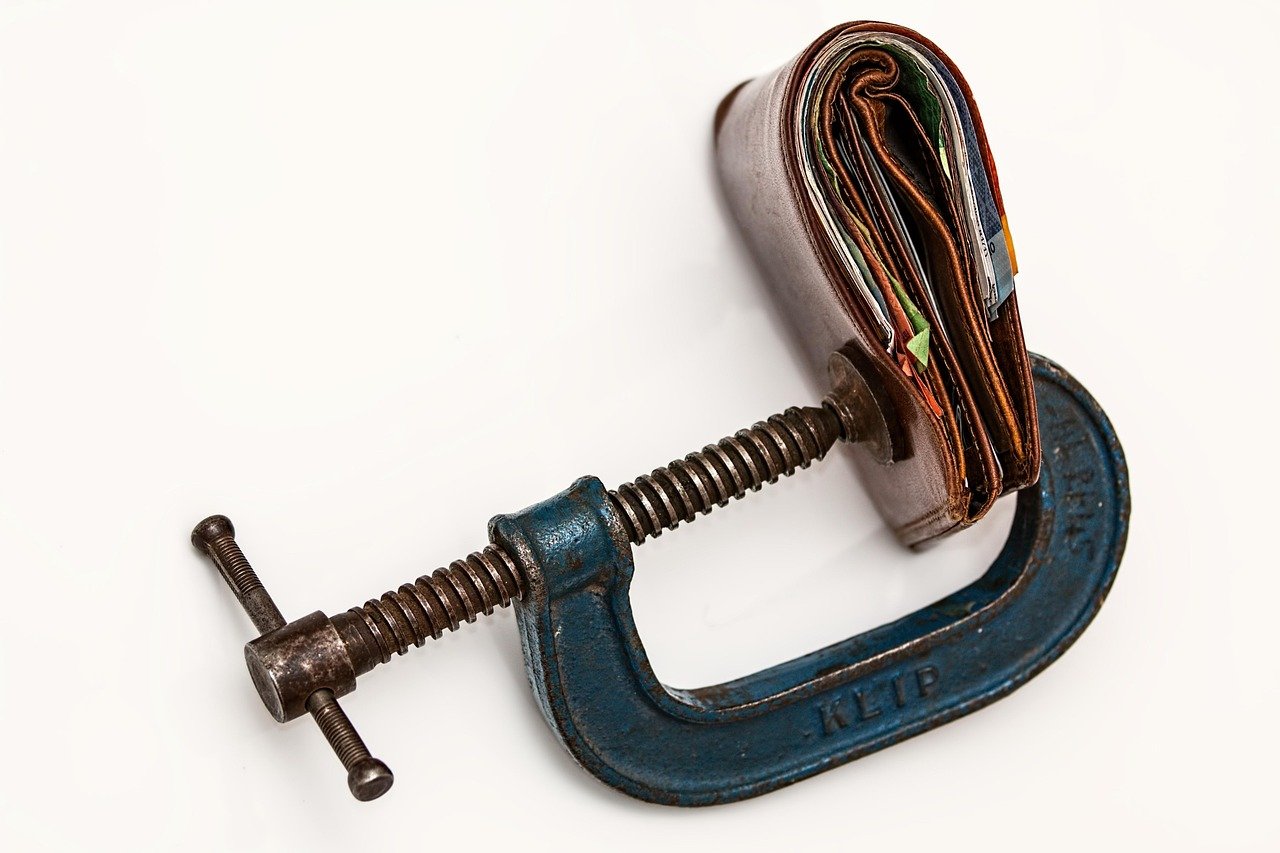
An emergency fund can help cover an unexpected expense—such as a necessary car repair or a sudden loss of income—without relying entirely on a credit card or loan. Starting one can feel difficult when money is already tight, but you can begin with a small amount and adjust as your circumstances change.
This guide walks through a simple way to get started: find a realistic contribution, choose an accessible place to save, and make a plan for adding to and using the money. There is no single starting amount that works for everyone.
What you will need
- A way to review your pay dates, bills and everyday spending, such as bank statements or a basic budget.
- A savings account or other suitable deposit account you can access when needed.
- A small, repeatable amount—or a plan to transfer money when you have it.
Steps to start your emergency fund
- Look for a realistic opening amount. Review a recent month of spending and note when income arrives and when essential bills are due. Choose an amount you can set aside without risking rent, utilities, food, transportation or other necessary payments. It is fine if the amount is very small. The Consumer Financial Protection Bureau notes that even a small amount of emergency savings can provide some financial security.
- Choose a first milestone, not a perfect final number. Pick a modest amount that feels achievable for your current situation. You do not have to solve the question of your ideal long-term fund before you begin. A first milestone gives you something concrete to work toward; you can revisit it as your income, household or expenses change.
- Pick a suitable place to keep the money. Look for an account that is separate from everyday spending but accessible if an urgent expense comes up. Check the account’s fees, withdrawal rules and minimum-balance requirements before opening it. For a bank account, confirm that the bank is FDIC-insured. FDIC insurance generally covers deposits up to $250,000 per depositor, per insured bank, for each account ownership category. Credit unions have a separate federal insurer, the National Credit Union Administration; check whether a credit union is federally insured.
- Decide how money will get into the account. If your income arrives on a regular schedule, you could arrange a small recurring transfer after payday. Check your bill dates first, and choose a transfer amount and timing that leave enough for upcoming essentials. If your income varies, consider making a transfer only after you have received income and accounted for near-term bills, rather than setting a fixed amount that might cause a shortfall.
- Make the contribution easy to repeat. Set up an automatic transfer if it fits your cash flow and your bank supports it. Otherwise, use a calendar reminder or make the transfer yourself when you review your finances. Automation can make saving more consistent, but it is not helpful if it triggers overdrafts or leaves bills unpaid. Lower or pause the transfer if your circumstances change.
- Add occasional extra money only when it is truly available. A rebate, gift or unusually good month may give you a chance to add more, but do not count uncertain money in your regular plan. First account for essential expenses and any overdue obligations. A one-time addition is optional; your fund can grow through small contributions over time.
- Write down what counts as an emergency for you. Consider using the fund for urgent, necessary costs that you could not reasonably plan for, such as an essential repair or an unexpected gap in income. A planned purchase or routine bill is usually better handled in your regular budget. Your needs may differ, so make a short list of examples that fits your household.
- Review the plan after a withdrawal. If an emergency comes up, use the savings for the need you identified. When the immediate pressure has passed, check your balance and decide whether to restart or adjust contributions. A withdrawal is not a failure; the fund is there to be used when an eligible expense happens.
Tips for keeping the plan workable
Protect essentials first. Do not set a savings transfer so high that you cannot cover required bills or basic needs. If the budget is already short, focus on understanding the cash flow problem and consider contacting bill providers or a nonprofit financial counselor for help. A contribution can be paused while you handle an immediate shortfall.
Keep emergency savings distinct from planned spending. Separate savings can make it easier to see what is available for an unexpected event. If you also save for annual insurance premiums, holiday costs or home maintenance, label those goals separately so planned expenses do not quietly use up emergency money.
Check the account details, not just the name. A savings account should be reasonably accessible, but review transfer timing, withdrawal limits if any, and fees. Deposit insurance applies only to eligible deposits at insured institutions and within the applicable limits; it does not protect investments from market losses.
Revisit the amount when life changes. A new job, move, household member or major change in expenses can affect what feels manageable. Adjust the contribution or milestone rather than treating your original plan as permanent.
A small start still counts
Starting an emergency fund is less about making one large deposit than creating a plan you can maintain. Choose a realistic first amount, keep it somewhere appropriate, and review the plan when your finances change. Even a modest reserve can give you another option when an unexpected cost arrives.