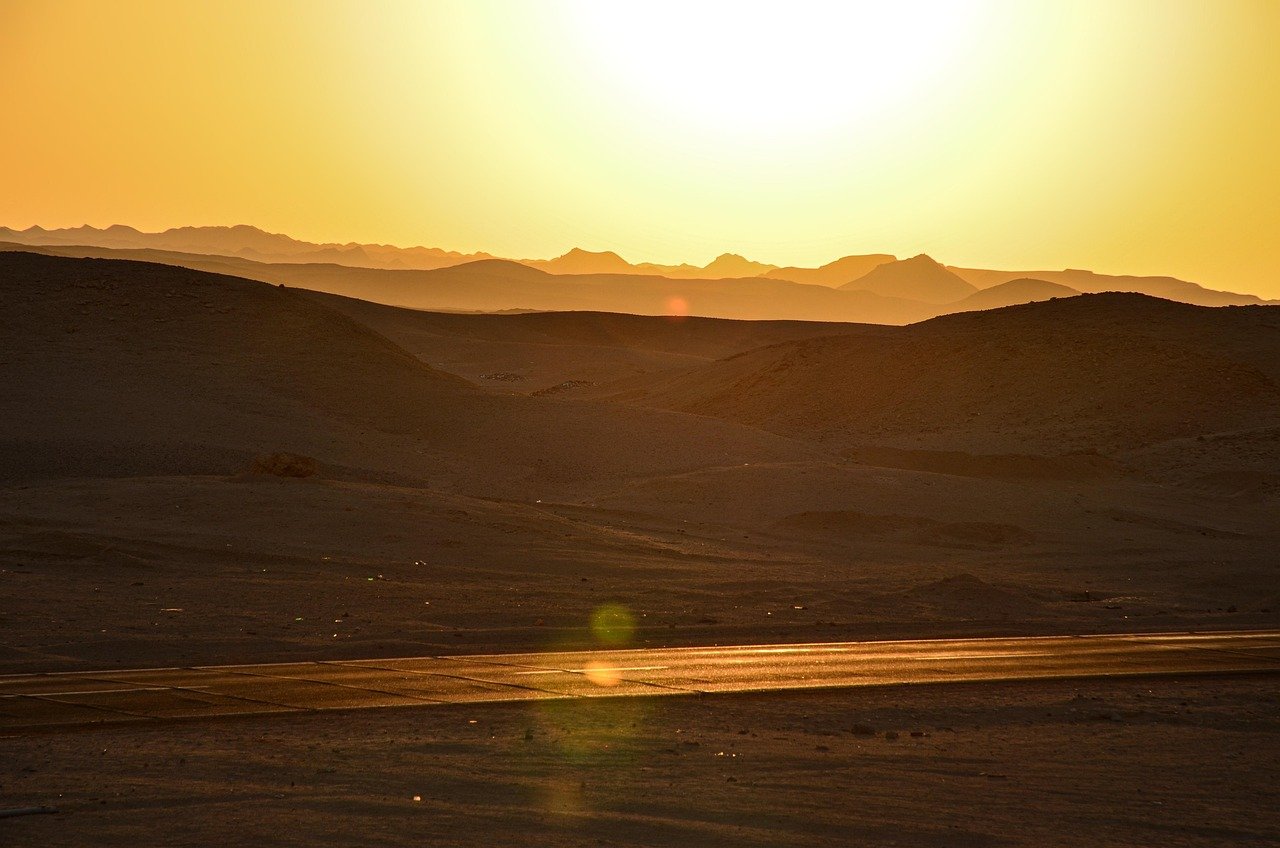
A person arriving in a desert can feel the difference in a single afternoon. The body’s adjustment takes longer. Repeated, careful exposure to heat can help the body cope with it, but acclimatization is a gradual process—not a switch that flips after one hot walk.
That distinction matters for visitors, outdoor exercisers and people starting work in a hot environment. Dry air can make sweat evaporate quickly, sometimes leaving skin less visibly wet than it would be in humid weather. But evaporation does not mean the body is free from strain. Heat, exertion and fluid loss can still add up, and becoming accustomed to heat does not make someone immune to heat illness.
What acclimatization changes
Heat acclimatization is the set of adjustments the body develops through repeated exposure to hot conditions. As those adjustments build, a person may begin sweating sooner and more effectively, while experiencing less cardiovascular strain during the same activity. The body’s responses can also help limit the loss of salts in sweat. These changes can make a familiar workload more manageable, but they do not remove the need to rest, drink appropriately or reduce exertion when conditions are dangerous.
The pace is measured in days, not hours. The National Institute for Occupational Safety and Health describes heat acclimatization as a gradual process that generally develops over one to two weeks of repeated exposure. The time and response vary with the person, the heat and the activity. A walk in the shade is not the same exposure as hours of heavy work in direct sun.
Acclimatization can also diminish after time away from hot conditions. Someone returning from a cooler climate, a break from outdoor work or an illness should not assume that past experience offers full protection. OSHA’s guidance for employers emphasizes gradually increasing heat exposure for new workers rather than placing them immediately into a full hot-weather workload.
Why desert air can mislead
Sweat cools the body when it evaporates from the skin. In dry air, evaporation can happen quickly, so a person may not feel as soaked as they might in humid weather. That can make the heat seem easier to tolerate than it is. Meanwhile, sweating still means fluid is leaving the body, and strenuous activity adds to the demand on the heart and the body’s cooling systems.
Temperature alone is not a complete measure of risk. Sun exposure, wind, humidity, clothing and physical effort all affect how hard it is for the body to shed heat. The National Weather Service’s heat guidance uses the heat index to explain how temperature and humidity combine, while also warning that direct sunlight can increase heat stress. In a desert, it is still wise to consider the sun and workload—not just the forecast number.
For visitors, a practical approach is to make the first days lighter: choose cooler hours for outdoor plans, take breaks in shade or air conditioning, and build up activity gradually. People doing physical work should follow workplace heat-safety procedures, including scheduled rest and access to water. Do not use a strenuous workout or long hike as a test of whether you have acclimatized.
Hydration helps, but it is not a shield
Drink regularly, with the amount guided by conditions, activity and individual needs. People doing prolonged, strenuous work may need an employer’s heat-safety plan and guidance on replacing fluids and electrolytes. Avoid treating excessive water intake as a substitute for rest or cooling; drinking far more than the body needs can also be dangerous. People with medical conditions or fluid restrictions should ask a health professional for advice suited to them.
Pay attention to how you feel and to changes in behavior or coordination. Headache, nausea, dizziness, weakness and heavy sweating can be signs of heat exhaustion. Stop activity, move to a cooler place and begin cooling. If symptoms worsen, persist or include confusion, fainting, seizures or a very high body temperature, treat the situation as an emergency. The CDC advises calling 911 for suspected heat stroke and starting rapid cooling while waiting for help.
Acclimatization is one layer of protection
The useful lesson is not that desert residents or returning visitors can simply “get used to” dangerous heat. It is that the body can adapt, within limits, when exposure is gradual and paired with sensible precautions. A cooler time of day, a slower first week, shade, rest and a plan for recognizing symptoms all matter alongside acclimatization.
That is especially important during a heat wave, when conditions can exceed what a person has experienced while adapting. Heat illness can affect anyone, including people who are physically fit. Treating acclimatization as a gradual aid—not a guarantee—makes it easier to enjoy outdoor life in dry climates without mistaking familiarity for safety.