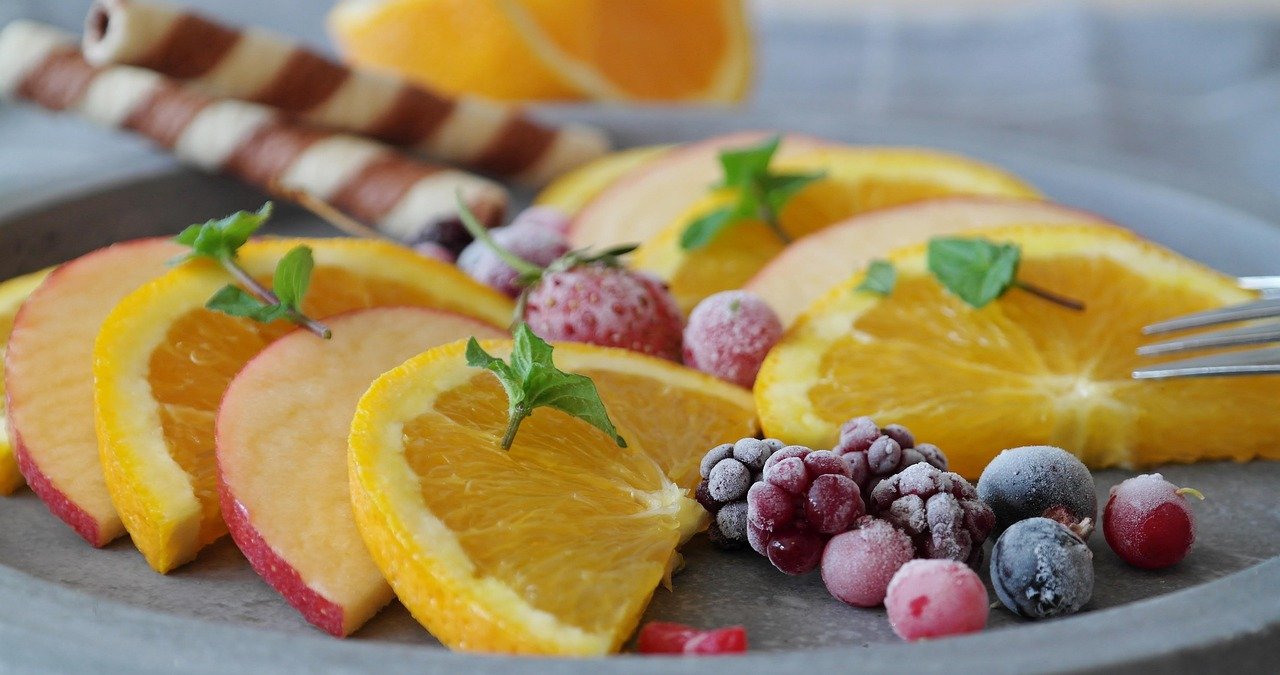
Eating more fruits and vegetables is one of the clearest, most affordable steps people can take to lower the risk of heart disease, some cancers and other diet‑related illnesses. But for many households—because of cost, store access, spoilage or time—reaching recommended daily amounts is hard. A simple, evidence‑based solution is often overlooked: frozen produce.
Why frozen produce works
Most frozen fruits and vegetables are picked at peak ripeness and flash‑frozen within hours. That rapid processing locks in vitamins and antioxidants and slows the losses that can happen while items travel and sit on store shelves or in a home refrigerator. Public‑health guidance explicitly counts frozen (and canned and dried) produce as valid ways to meet fruit and vegetable recommendations—as long as they don’t contain added sugars or excess sodium. ([who.int](https://www.who.int/news-room/fact-sheets/detail/healthy-diet%E2%80%8F?utm_source=openai))
Reviews of the scientific literature find that nutrient differences between fresh and frozen produce are generally small and depend on the item and how long “fresh” was stored before being eaten. For some nutrients and products, frozen options retain more vitamin content than supermarket fresh items that have spent days in transit and refrigeration. That pattern shows up across laboratory analyses and narrative reviews. ([onlinelibrary.wiley.com](https://onlinelibrary.wiley.com/doi/abs/10.1002/jsfa.2825?utm_source=openai))
Practical benefits for budgets, kitchens and the planet
Frozen produce lasts months to a year in the freezer, so families can buy in bulk when prices dip, save partially used bags and avoid tossing spoiled vegetables. Reducing household food waste is an important climate and economic win: international food‑loss work points to processing and preservation as one way to stop nutritious crops from being lost before they reach plates. Using frozen items can therefore stretch food dollars and cut waste without sacrificing nutrition. ([fao.org](https://www.fao.org/platform-food-loss-waste/food-waste/food-waste-reduction/how-to-reduce-your-food-waste/?utm_source=openai))
There is also evidence that consumers who use frozen fruits and vegetables often eat more total produce than those who don’t—an outcome with clear health implications. Convenience, lower spoilage and lower short‑term cost can remove barriers that leave people falling short of the WHO’s guideline to eat at least 400 grams of fruits and vegetables daily. ([sciencedirect.com](https://www.sciencedirect.com/science/article/pii/S0899900717301958?utm_source=openai))
How to pick frozen produce that helps—rather than harms—your health
- Read labels: Choose plain frozen fruit and vegetables without sauces, heavy syrups, salt, butter or breading. Many products add sodium or sugar for flavor—those undermine the health advantage. ([nutritionsource.hsph.harvard.edu](https://nutritionsource.hsph.harvard.edu/common-questions-fruits-vegetables/?utm_source=openai))
- Favor single‑ingredient bags: Peas, spinach, mixed berries, corn and green beans are common, inexpensive choices that fit many meals and recipes. Pre‑chopped mixes can save prep time but check ingredients. ([extension.usu.edu](https://extension.usu.edu/createbetterhealth/blog/FrozenFreshOrCannedProduce?utm_source=openai))
- Use within recommended storage windows: Although frozen foods are very shelf‑stable, quality is best within roughly 6–12 months for many fruits and vegetables. Keep the freezer at 0°F (−18°C) or lower. ([extension.usu.edu](https://extension.usu.edu/createbetterhealth/blog/FrozenFreshOrCannedProduce?utm_source=openai))
Cooking tips to keep nutrients
How you cook frozen produce affects nutrient retention. Steaming or microwaving with a small amount of water typically preserves more water‑soluble vitamins (like vitamin C and many B vitamins) than prolonged boiling. If you use boiling, consider saving the cooking water to add to soups or sauces so soluble nutrients aren’t discarded. The U.S. Department of Agriculture and food‑safety agencies also describe blanching (used before freezing) and safe handling steps that protect quality. ([ask.fsis.usda.gov](https://ask.fsis.usda.gov/article/What-is-blanching-and-how-does-it-relate-to-enzyme-activity-when-freezing-food?utm_source=openai))
Frozen fruit is especially handy for smoothies, where texture changes don’t matter and fiber and most vitamins are preserved, and for quick compotes, oatmeal toppers or baking. Frozen vegetables can be stirred into soups, stews, stir‑fries and one‑pan meals with minimal extra prep—an easy way to add a serving to breakfasts, lunches or dinners. ([nutritionsource.hsph.harvard.edu](https://nutritionsource.hsph.harvard.edu/common-questions-fruits-vegetables/?utm_source=openai))
How communities and programs can use frozen produce
Public programs that aim to raise produce intake—food assistance, school meals and produce prescriptions—have scope to include frozen and canned forms as acceptable options. That flexibility can lower program costs, reduce spoilage in distribution and increase the variety available to beneficiaries, while still meeting nutrition goals. The Centers for Disease Control and similar agencies recommend counting frozen and canned produce toward daily targets when they don’t have unhealthy additives. ([cdc.gov](https://www.cdc.gov/nutrition/php/incentives-prescriptions/understanding-programs.html?utm_source=openai))
Bottom line
Frozen fruits and vegetables are a practical, science‑backed way to make healthier plates more achievable for many people around the world. When chosen and prepared thoughtfully—plain items, modest cooking time, no added sugar or salt—frozen produce can deliver nutrients, save money, cut waste and make it far easier to reach the daily vegetable and fruit targets that protect long‑term health. ([onlinelibrary.wiley.com](https://onlinelibrary.wiley.com/doi/abs/10.1002/jsfa.2825?utm_source=openai))