Opening an online brokerage account is the first hands‑on step toward investing. This guide walks you through the common decisions and the exact actions you’ll take — from picking the right account type to funding the account and making your first buy. Follow these steps and you’ll avoid common delays or surprise fees.
What you will need
- A government photo ID (driver’s license or passport) and your Social Security number (or taxpayer ID).
- A U.S. residential address, an email address, and a phone number.
- Your bank account number and routing number (to link and fund the brokerage by ACH) or a debit/credit card for brokers that accept that method.
- A short list of decisions: the account type you want (taxable vs. IRA), whether you’ll trade on margin or options, and whether you prefer a self‑directed platform or a robo‑advisor.
Brokerages will also ask about your annual income, net worth, employment, investment goals and experience — this is standard “know your customer” information required by regulators. ([investor.gov](https://www.investor.gov/introduction-investing/general-resources/news-alerts/alerts-bulletins/investor-bulletins-43))
Step-by-step: Open your account
- Decide what you want the account for. Choose a taxable brokerage account if you want flexibility for buying and selling. Choose an IRA if your goal is tax‑advantaged retirement savings. Custodial accounts are used for minors. Your goal determines both the account type and how you’ll fund it. (See FINRA/SEC overviews for what each account type means.) ([syndication.finra.org](https://syndication.finra.org/content/brokerage-and-advisory-accounts-factors-consider-when-choosing-account-type?utm_source=openai))
- Compare a few brokers on the basics. Look at fees (commissions, account fees, and commissions on special products), available investments (stocks, ETFs, mutual funds, bonds), minimum deposits, user interface, mobile app quality, customer service, and whether the firm is a SIPC member. Many large discount brokers have no minimum and $0 online stock/ETF commissions; others have special account minimums or fund minimums. Use each broker’s pricing page and regulatory disclosures to compare. ([schwab.com](https://www.schwab.com/brokerage))
- Gather your documents and information. Most brokers require name, date of birth, Social Security number, residential address, government ID info, and bank routing/account numbers to link funding. If you open the account online, have digital copies or be ready to type the details. This is part of anti‑money‑laundering and tax reporting rules. ([investor.gov](https://www.investor.gov/introduction-investing/general-resources/news-alerts/alerts-bulletins/investor-bulletins-43))
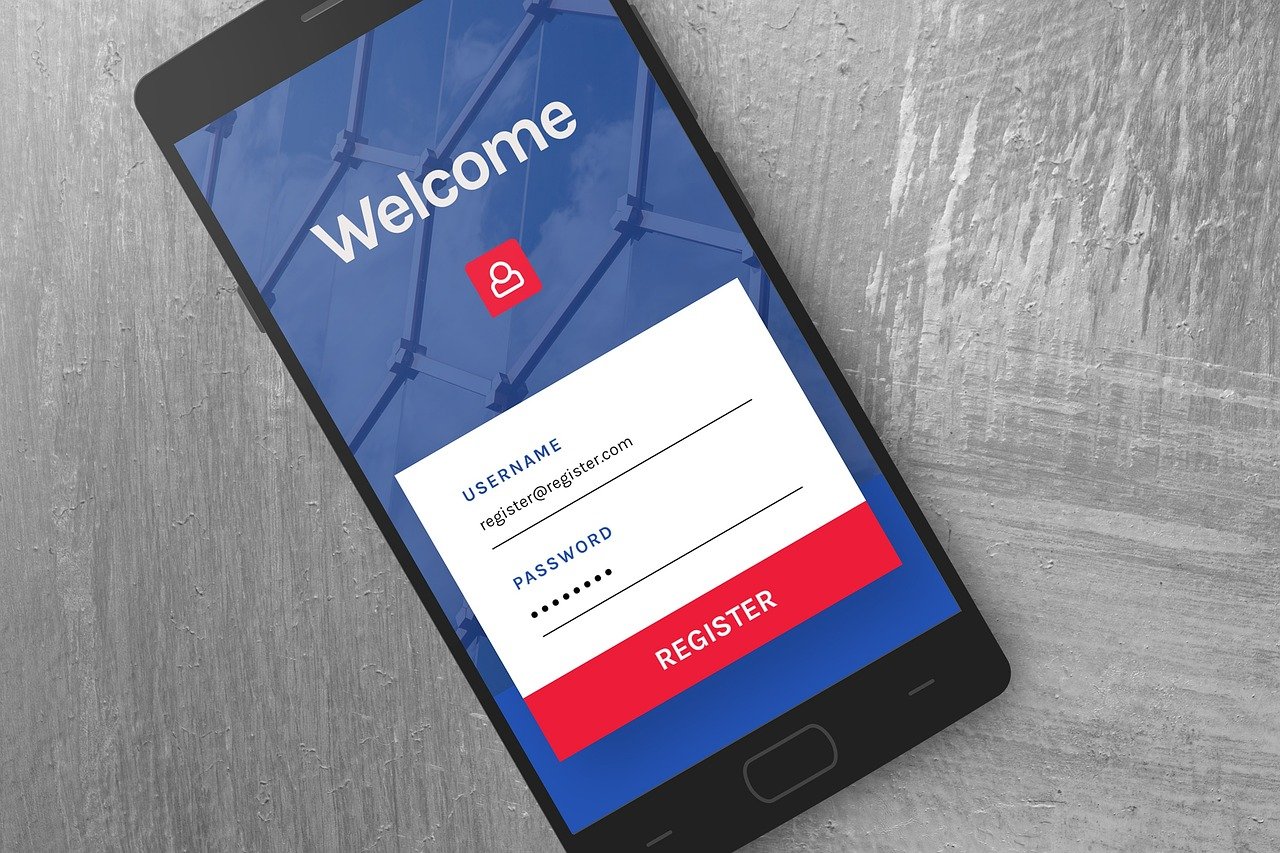
- Fill out the online application. Provide personal details, select account type, and answer questions about employment, income and investment experience. You’ll be asked to choose margin or cash, whether you want options trading, and how you want to handle uninvested cash (a sweep program or money market). Read each screen slowly — some brokers default to margin or specific cash sweeps. ([investor.gov](https://www.investor.gov/introduction-investing/general-resources/news-alerts/alerts-bulletins/investor-bulletins-43))
- Choose account options carefully. If you don’t intend to borrow, open a cash account. Margin accounts let you borrow to buy securities but increase risk and can trigger margin calls. The SEC warns that some applications make margin the default — confirm the choice before you submit. ([investor.gov](https://www.investor.gov/introduction-investing/general-resources/news-alerts/alerts-bulletins/investor-bulletins-43))
- Link and fund your bank account. Use the broker’s ACH or wire instructions to link your bank. ACH transfers commonly take a few business days to settle; wire transfers arrive faster but may cost a fee. After the broker recognizes the funding method, initiate a deposit. Depending on the broker and the funding method, funds may take 1–3 business days (or longer for checks) to be available for investing. ([us.etrade.com](https://us.etrade.com/frequently-asked-questions/open-an-account))
- Set up security and account protections. Turn on two‑factor authentication (2FA) and choose strong, unique passwords. Add a trusted contact where available and set delivery preferences for statements and trade confirmations (electronic or paper). The SEC recommends multi‑factor authentication to reduce fraud risk. ([investor.gov](https://www.investor.gov/introduction-investing/general-resources/news-alerts/alerts-bulletins/investor-bulletins/updated-2?utm_source=openai))
- Make a plan for your first trade. Start small. Decide whether to buy a diversified ETF, a mutual fund, or fractional shares (if offered). Consider setting up automatic investing or dollar‑cost averaging so you invest consistently. Review fees and any minimums before you place the order.
- Keep records and check confirmations. After your first trade, confirm the trade ticket and payment. Brokers must send confirmations and periodic statements — review them for errors or unauthorized activity. If something looks wrong, contact the broker immediately. ([investor.gov](https://www.investor.gov/introduction-investing/general-resources/news-alerts/alerts-bulletins/investor-bulletins-43))
Tips & warnings
- Use BrokerCheck and the firm’s Form CRS. FINRA’s BrokerCheck and each brokerage’s Form CRS (customer relationship summary) can reveal disciplinary history, fees, and conflicts. Ask questions before you open an account. ([syndication.finra.org](https://syndication.finra.org/content/opening-brokerage-account-part-1?utm_source=openai))
- Watch default settings. Don’t assume default selections match your intentions — especially margin, options permissions, or cash sweep choices. ([investor.gov](https://www.investor.gov/introduction-investing/general-resources/news-alerts/alerts-bulletins/investor-bulletins-43))
- Expect identity checks. Under federal rules (including the Patriot Act and “know your customer” requirements), brokers verify identity and may ask for extra documents if something doesn’t match. Have backups (utility bill, bank statement) ready. ([fidelity.com](https://www.fidelity.com/bin-public/060_www_fidelity_com/documents/new-fidelity-account-simple-ira.pdf?utm_source=openai))
- Understand protection limits. SIPC protects assets if a broker fails, up to $500,000 total, including up to $250,000 in cash — but SIPC does not protect against investment losses. Consider where cash swept from your brokerage is held (FDIC vs. SIPC protection). ([investor.gov](https://www.investor.gov/introduction-investing/investing-basics/glossary/securities-investor-protection-corporation-sipc))
Opening a brokerage account is mostly paperwork and a few choices. Take your time comparing brokers, keep copies of confirmations, and start with an investment plan you can follow. With the account open and security set, you’ll be positioned to start building a diversified portfolio and learn by doing.
Ready to begin? Choose your account type, gather your ID and bank info, and allow a few business days for funding — then place your first, small trade and review the confirmation.