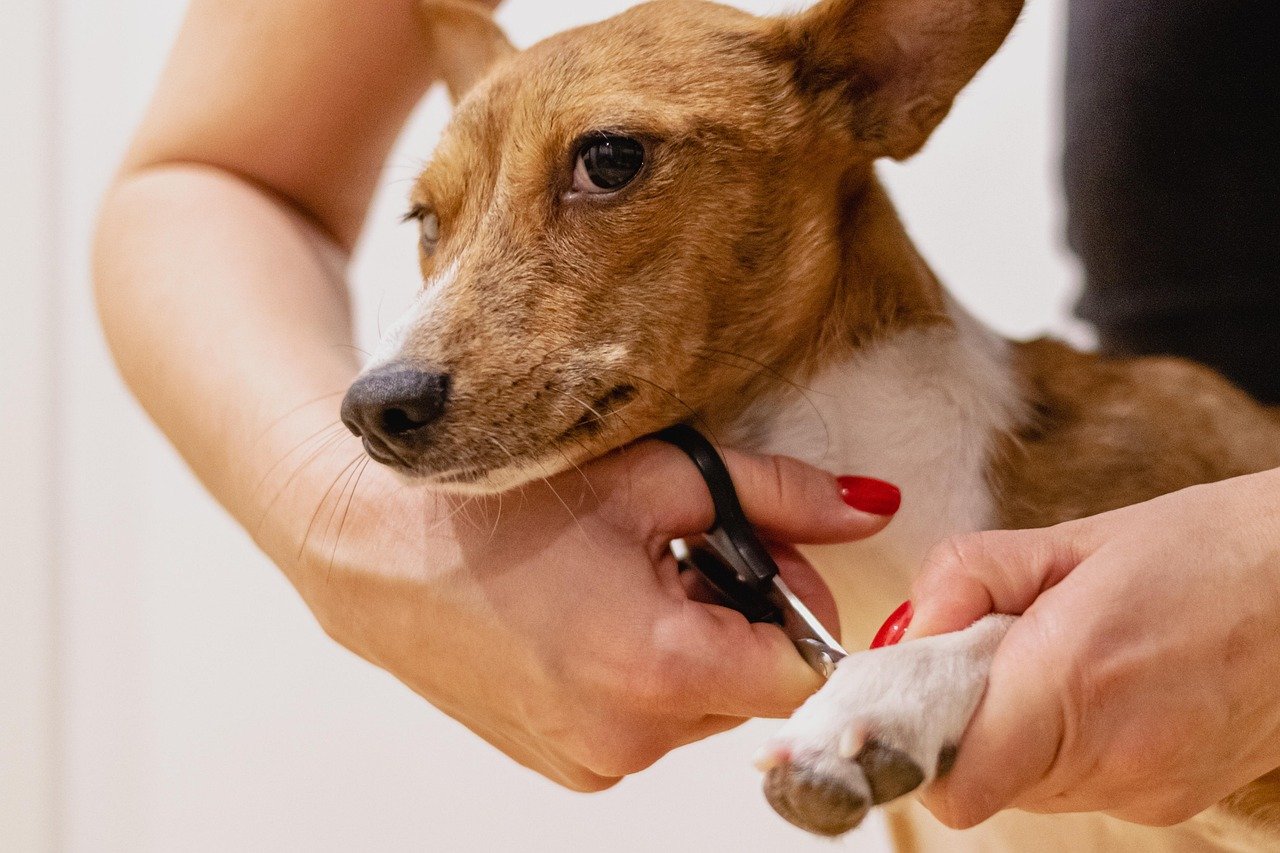
Keeping a dog’s nails trimmed prevents pain, changes in gait and torn nails. This guide shows a gentle, step‑by‑step routine you can use at home with basic tools, plus what to do if you cut the quick or your dog is nervous.
What you will need
- Dog nail clippers (scissor or guillotine style) or a nail grinder.
- Styptic powder or styptic pencil (to stop bleeding if needed).
- Treats your dog loves and a towel or mat for traction.
- A helper, if your dog is wriggly (optional but helpful).
Quick safety note
Trim only the tip of the nail; avoid the “quick,” the blood vessel inside the nail. If you do cut the quick, use styptic powder and apply gentle pressure until bleeding stops. ([akc.org](https://www.akc.org/expert-advice/health/how-to-trim-dogs-nails-safely/?utm_source=openai))
Step‑by‑step: Trim one paw at a time
- Pick a calm time and place. Sit where your dog is comfortable and has traction (not a slippery tabletop). Keep treats within reach.
- Handle the paw first. Gently pick up one paw and touch the toes for 30–60 seconds, then give a treat. Repeat until your dog accepts having paws lifted without fuss. This helps reduce stress before you trim. ([riney.vet.cornell.edu](https://riney.vet.cornell.edu/member-benefits-health-tips/grooming-cooperative-care-february-2026?hs_amp=true&utm_source=openai))
- Inspect the nails. For white or pale nails you can usually see the pink quick; with dark nails, trim only the curved tip where the nail hooks down. ([akc.org](https://www.akc.org/expert-advice/health/how-to-trim-dogs-nails-safely/?utm_source=openai))
- Choose a tool and position. If you use clippers, hold the paw so you can see the nail from the side and place the clipper perpendicular to the nail tip. If you use a grinder, turn it on briefly and let your dog sniff it before contacting the nail. Grinders remove small amounts slowly and can reduce the chance of nicking the quick. ([vcahospitals.com](https://vcahospitals.com/know-your-pet/how-to-trim-a-dogs-nails?utm_source=openai))
- Clip or grind small amounts. Cut only a little at a time—better to make several small cuts than one big one. With white nails stop when you see a pink oval; with dark nails stop when the nail changes texture or you see a darker center. ([akc.org](https://www.akc.org/expert-advice/health/how-to-trim-dogs-nails-safely/?utm_source=openai))
- Praise and pause. After each nail or every two nails, give a treat and a calm pause. If your dog becomes stressed, stop and try again later or another day. ([americanhumane.org](https://www.americanhumane.org/public-education/grooming-your-pet/?form=save-a-life&utm_source=openai))
- Check dewclaws. Trim dewclaws (the nails higher on the leg) if present—these don’t touch the ground and can overgrow. Be extra careful: some dewclaws are loosely attached. ([royalkennelclub.com](https://www.royalkennelclub.com/health-and-dog-care/health-dog-care/health/health-and-care/a-z-of-health-and-care-issues/long-claws/?utm_source=openai))
- Finish with a treat and a quick paw rub. If nails are filed or clipped smoothly, you should not see bleeding or signs of pain.
What to do if you cut the quick
If a nail starts to bleed, stay calm. Have styptic powder or pencil ready. Apply the styptic to the tip of the nail and hold gentle pressure for a few seconds; the bleeding should slow and stop. If bleeding continues after several minutes or if the dog seems in severe pain, contact your veterinarian. Keep the pet calm while you treat the nail. ([akc.org](https://www.akc.org/expert-advice/health/how-to-trim-dogs-nails-safely/?utm_source=openai))
How often should you trim nails?
Frequency depends on activity. Many dogs need trims every 2–4 weeks, but dogs that walk or run a lot on pavement may need trims less frequently because walking wears nails down naturally. Watch for clicking on hard floors—if you hear nails, it’s time. ([rover.com](https://www.rover.com/blog/how-often-should-i-trim-my-dogs-nails/?msockid=1955fa34654a63bf0592ecd1640e622e&utm_source=openai))
Tips & warnings
- Start young and short sessions: brief regular handling helps puppies and adults learn to accept paw handling. ([riney.vet.cornell.edu](https://riney.vet.cornell.edu/member-benefits-health-tips/grooming-cooperative-care-february-2026?hs_amp=true&utm_source=openai))
- Choose the right tool: grinders are gentler for dogs anxious about clippers, but they take longer. Clippers make faster cuts—use whichever you can control confidently. ([vcahospitals.com](https://vcahospitals.com/know-your-pet/how-to-trim-a-dogs-nails?utm_source=openai))
- If your dog growls or snaps: stop and get professional help. A groomer or veterinarian can trim safely and show you how to proceed. Do not attempt forceful restraint that could escalate fear. ([americanhumane.org](https://www.americanhumane.org/public-education/grooming-your-pet/?form=save-a-life&utm_source=openai))
- Use cooperative care: build the skill by pairing short handling with high‑value rewards so your dog offers paws voluntarily over time. Cornell veterinary-guidance highlights desensitization and calm practice as effective. ([riney.vet.cornell.edu](https://riney.vet.cornell.edu/member-benefits-health-tips/grooming-cooperative-care-february-2026?hs_amp=true&utm_source=openai))
- Trim the quick back over time: with frequent, small trims (or grinding) the quick can slowly recede, allowing slightly shorter nails without pain—do this gradually. ([petco.com](https://www.petco.com/pet-education/dog/grooming/the-nuances-of-nail-care-dog-nail-trimming?utm_source=openai))
With the right tools, patience and short, consistent sessions, most owners can safely keep their dog’s nails at a healthy length. If you ever feel unsure or uncomfortable, a groomer or your veterinarian can trim and show you the technique in person. Regular trims protect paws, posture and comfort—start small, praise generously, and you’ll build a routine both you and your dog can handle.