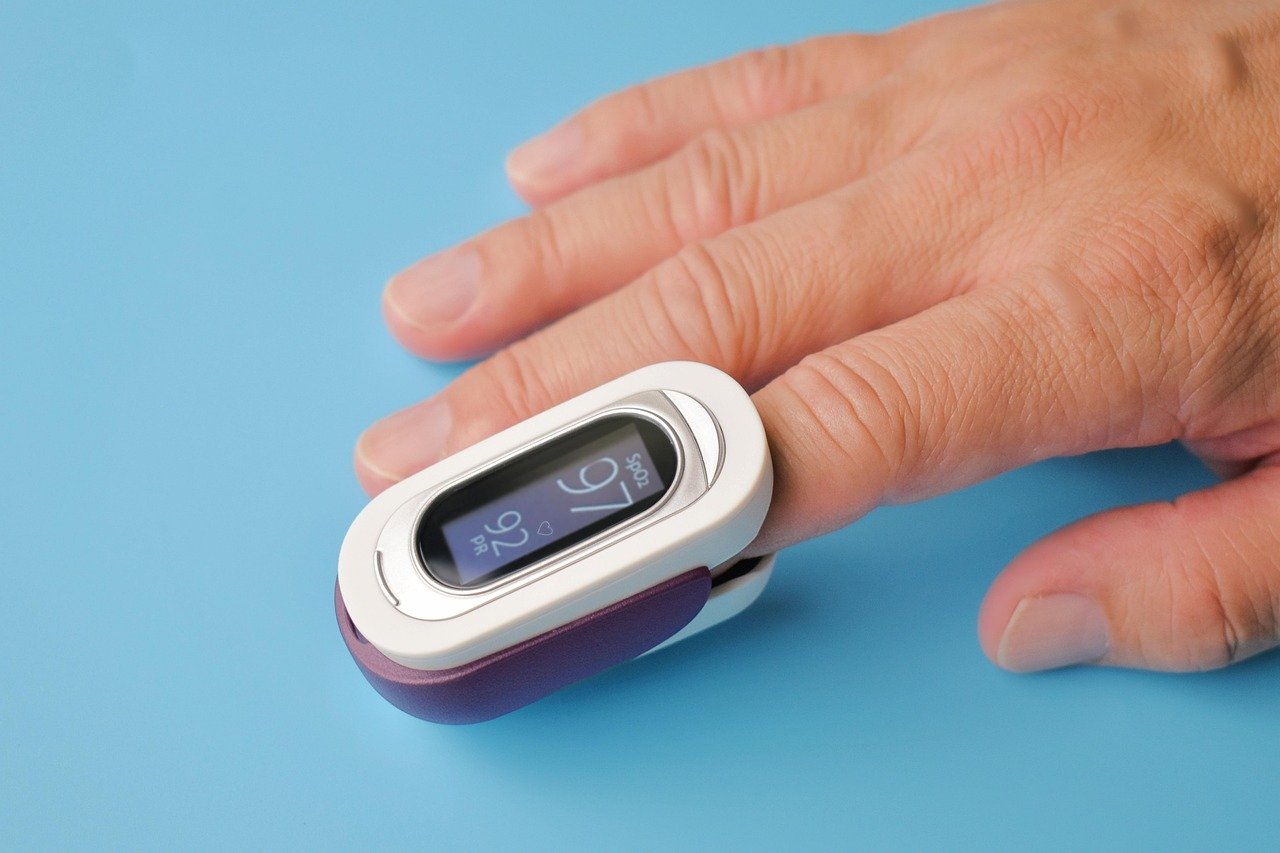
Pulse oximeters are small, inexpensive devices that estimate the percentage of oxygen carried by your blood (SpO2) and show your pulse. Used correctly, they can help you monitor recovery from illness, check a chronic lung condition, or decide whether to contact a clinician. They aren’t a diagnostic tool on their own, but they do give quick, useful information when paired with how you feel. ([medlineplus.gov](https://www.medlineplus.gov/lab-tests/pulse-oximetry/))
What you will need
- A finger pulse oximeter (preferably an FDA-cleared or reputable brand; follow the manufacturer’s instructions). ([fda.gov](https://www.fda.gov/consumers/consumer-updates/pulse-oximeter-basics))
- A notepad, phone, or app to record readings and symptoms.
- If your hands are cold: a warm cloth or warm water to gently warm the finger before measuring. ([pmc.ncbi.nlm.nih.gov](https://pmc.ncbi.nlm.nih.gov/articles/PMC7462317/))
Quick guide: what the numbers generally mean
For most healthy adults at sea level, SpO2 around 95–100% is typical. Lower ranges can be acceptable for some people with chronic lung disease, but individual targets should come from a clinician. If readings are persistently low or you feel unwell, seek medical advice. ([medlineplus.gov](https://www.medlineplus.gov/lab-tests/pulse-oximetry/))
Step‑by‑step: How to take a reliable reading
- Read the manual. Confirm any device-specific steps and battery/cleaning directions before first use. ([fda.gov](https://www.fda.gov/consumers/consumer-updates/pulse-oximeter-basics))
- Wash and dry your hands; remove nail polish or artificial nails on the finger you’ll use. Nail polish and artificial nails can interfere with the light sensor. ([medlineplus.gov](https://www.medlineplus.gov/lab-tests/pulse-oximetry/))
- Sit down and rest for a few minutes. Avoid measuring right after exercise or heavy activity—you want a resting value. ([pmc.ncbi.nlm.nih.gov](https://pmc.ncbi.nlm.nih.gov/articles/PMC7462317/))
- Warm cold fingers. If your hands are cold, warm them with your other hand, a warm cloth, or briefly run them under warm (not hot) water; poor perfusion reduces accuracy. ([pmc.ncbi.nlm.nih.gov](https://pmc.ncbi.nlm.nih.gov/articles/PMC7462317/))
- Choose the finger: use the index or middle finger. Place the oximeter clip fully over the fingertip so the sensor sits centered on the nail bed. Keep the hand relaxed and held level with the heart. ([pmc.ncbi.nlm.nih.gov](https://pmc.ncbi.nlm.nih.gov/articles/PMC7462317/))
- Hold still. Do not move, talk, or shiver while the device makes its measurement; motion causes unstable or incorrect readings. ([fda.gov](https://www.fda.gov/consumers/consumer-updates/pulse-oximeter-basics))
- Wait for a steady number. Allow the display to stop fluctuating—observe for several seconds and accept the stable reading (many devices show a pulse waveform or strength indicator; prefer values with a strong pulse signal). ([pmc.ncbi.nlm.nih.gov](https://pmc.ncbi.nlm.nih.gov/articles/PMC7462317/))
- Record the value and how you feel (shortness of breath, chest pain, lightheaded, etc.). If in doubt, repeat the measurement on the same finger after a minute and compare readings. ([fda.gov](https://www.fda.gov/consumers/consumer-updates/pulse-oximeter-basics))
- If you’re tracking over time, measure at the same times each day (for example, morning and evening) and note any symptoms or changes. ([pmc.ncbi.nlm.nih.gov](https://pmc.ncbi.nlm.nih.gov/articles/PMC7462317/))
When to call a clinician or seek urgent care
People and organizations vary slightly in their thresholds, and your doctor may give you a personalized target. As general guidance: contact your healthcare provider if readings are repeatedly in the low 90s or if the value falls noticeably below your normal baseline; seek urgent care or emergency services if SpO2 falls below about 90% or if you have severe symptoms such as marked shortness of breath, chest pain, difficulty speaking, or bluish lips or face. Always treat how you feel as well as the number. ([medlineplus.gov](https://www.medlineplus.gov/lab-tests/pulse-oximetry/))
Tips, troubleshooting & important limits
- Accuracy limits: consumer oximeters can differ by a few percentage points; results may be about 2–4% higher or lower than an arterial blood gas. Use trends, not a single isolated number, to judge changes. ([medlineplus.gov](https://www.medlineplus.gov/lab-tests/pulse-oximetry/))
- Common causes of inaccurate readings: nail polish or artificial nails, cold or poorly perfused fingers, excessive motion, bright external light, some skin pigmentations, and certain medical conditions. If a reading doesn’t match how you feel, recheck after fixing these issues. ([fda.gov](https://www.fda.gov/consumers/consumer-updates/pulse-oximeter-basics))
- Phone apps and consumer wearables: smartphone apps that use the phone camera and some non‑medical wearables are less reliable than dedicated finger oximeters; clinicians generally prefer FDA‑cleared finger devices for home monitoring. ([pmc.ncbi.nlm.nih.gov](https://pmc.ncbi.nlm.nih.gov/articles/PMC7462317/))
- Check the pulse: the oximeter also shows pulse rate—if the pulse number seems wrong or absent, the SpO2 reading may be unreliable. Devices that show a pulse strength or waveform make it easier to judge signal quality. ([pmc.ncbi.nlm.nih.gov](https://pmc.ncbi.nlm.nih.gov/articles/PMC7462317/))
- Cleaning and batteries: follow the manufacturer’s cleaning instructions and replace batteries as recommended. Don’t use a device with a cracked sensor. ([fda.gov](https://www.fda.gov/consumers/consumer-updates/pulse-oximeter-basics))
If readings stay inconsistent
Try a different finger or another FDA‑cleared device to compare. If you have peripheral vascular disease or chronic lung disease, ask your clinician to test the oximeter against clinical equipment to confirm it gives useful trend information for you. Systems that report pulse signal strength are preferable for home programs. ([pmc.ncbi.nlm.nih.gov](https://pmc.ncbi.nlm.nih.gov/articles/PMC7462317/))
Using a pulse oximeter at home is straightforward when you follow a few simple rules: measure at rest, warm the finger, remove polish, keep still, and watch trends rather than a single value. If you’re ever unsure, call your healthcare provider—numbers help guide decisions, but symptoms and clinical context matter most. ([fda.gov](https://www.fda.gov/consumers/consumer-updates/pulse-oximeter-basics))