Repainting a room can feel like a straightforward weekend project: move the furniture, cover the floor, sand rough spots and start rolling. In an older home, though, the first step may be to find out what is already on the walls.
Homes built before 1978 may contain lead-based paint. Paint that is intact and left undisturbed is generally less likely to create exposure than paint that is scraped, sanded or otherwise damaged. The concern is the dust and chips renovation can release—not the act of putting a new color on a wall by itself.
Pause before sanding or scraping
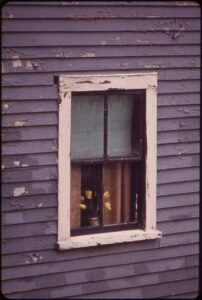
If your home predates 1978 and you do not know whether its paint contains lead, avoid dry sanding, power sanding, scraping or drilling into painted surfaces until you have a plan. Those steps can spread fine dust beyond the work area. Peeling or chipping paint deserves attention, too, especially where children live or spend time.
For certainty, consider a lead inspection by a qualified professional. A risk assessment can help identify hazards and advise what to do about them. Do not assume that a quick hardware-store test settles the question: test methods differ, and a result may not be reliable for every surface or situation. Follow the product instructions and seek professional advice if the result is unclear.
Choose the right kind of project
A small repaint on a smooth, sound surface is different from removing many layers of failing paint or opening up walls. If the job involves extensive deterioration, lots of scraping, or work around windows and trim, it may be safer to hire a contractor certified for lead-safe renovation. Ask about the firm’s certification and how it will contain dust and clean the work area.
For a project you decide to do yourself, EPA guidance emphasizes keeping dust contained, protecting household belongings and cleaning carefully. Move people and pets out of the work zone. Remove or cover items that could collect dust, and cover floors and nearby surfaces with durable sheeting. Keep the work area separate from the rest of the home; do not carry dusty materials through living spaces uncovered.
Use methods that minimize dust rather than dry sanding or using a power sander on suspect paint. Keep children away from the area while work is underway, and do not let them handle paint chips or dusty tools. At the end, clean the work area thoroughly using lead-safe methods. Ordinary sweeping can send dust back into the air, so do not treat a quick sweep as a complete cleanup.
Then paint for a durable finish
Once the surface is safe to prepare, the familiar basics still matter. Repair ordinary surface imperfections, remove dirt and grease, and let the wall dry before applying paint. Use a primer when the surface or paint manufacturer’s instructions call for one. Apply paint according to its label, including the recommended drying time between coats. A careful preparation makes it easier for the finish coat to look even and hold up.
Lead concerns do not mean an older room can never be painted. They mean the project should begin with a pause and a risk check, not an automatic sanding session. Knowing the age of the home, the condition of the paint and the scale of the work can help you choose a sensible next step—and keep a simple color change from becoming a dust problem.