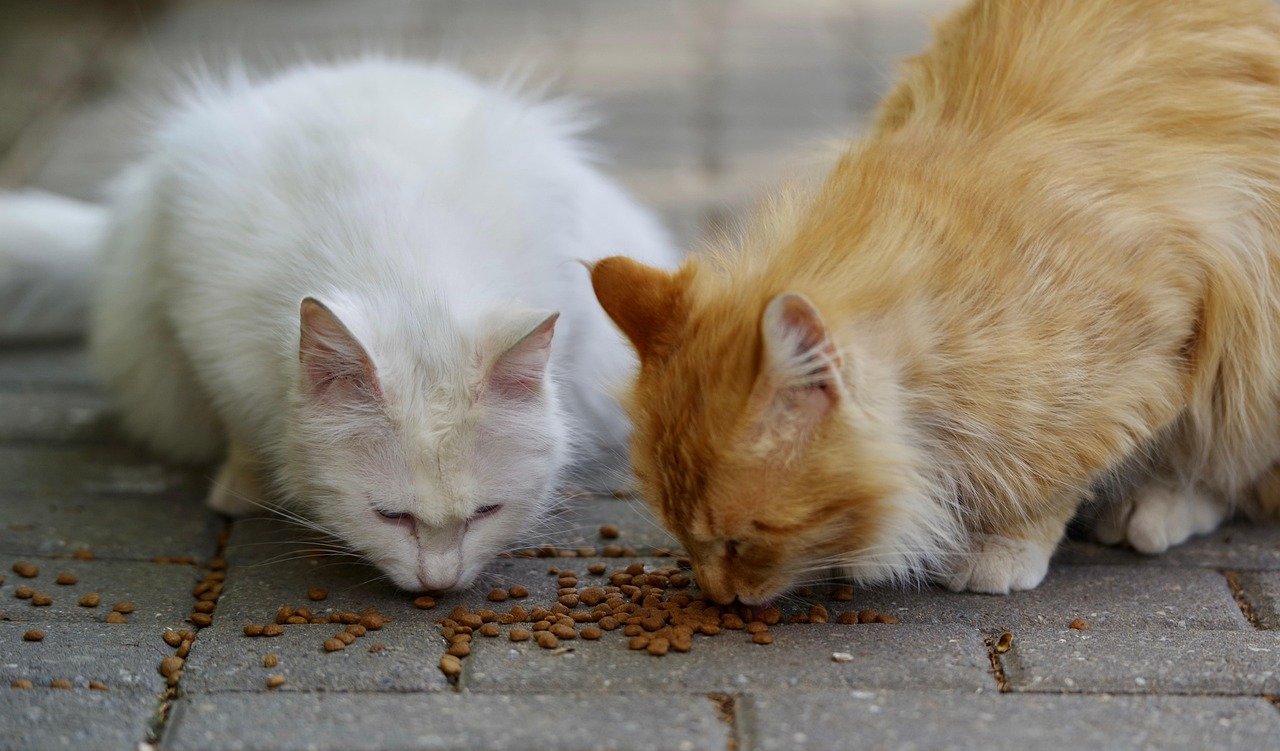
A cat may skip food because something has changed at home, but a loss of appetite can also be an early sign of illness. Because cats can become seriously unwell when they go without food, it is safer to take a lasting change seriously rather than wait for other symptoms to appear.
This guide explains what to check, when to contact a veterinarian and how to prepare for the call. It cannot identify the cause or replace advice from your cat’s veterinary team.
When to call a veterinarian
If your cat has eaten nothing for about 24 hours, contact your veterinarian promptly—even if your cat otherwise seems normal. Call sooner if your cat is a kitten, has a known health problem, takes medication, or is eating much less than usual. A veterinarian can advise you based on your cat’s age and medical history.
Do not wait for the 24-hour mark if your cat seems very weak, collapses, has trouble breathing, repeatedly vomits, appears to be in pain, or is straining to urinate. These signs need urgent veterinary advice. If your regular clinic is closed, call an emergency veterinary clinic.
What to do, step by step
- Check what your cat has actually eaten. Look at the usual food bowl and ask anyone else in the household whether they fed the cat. Note the last time you saw your cat eat a normal amount. A treat or a few bites may not mean your cat is eating normally.
- Notice other changes. Watch for changes in drinking, energy, hiding, vomiting, stool, or litter-box habits. Do not force your cat to eat or handle them more than necessary if they seem painful or distressed.
- Offer the familiar food in a calm place. Put down a small portion of your cat’s usual food in a clean dish, away from noise and other pets. Make sure the food is fresh and the bowl is easy to reach. You can try the usual food at its normal serving temperature, but do not let trying different foods delay a call to the veterinarian.
- Call your veterinarian at the appropriate time. Call promptly if your cat has not eaten for about 24 hours, or sooner if they are young, medically fragile, or showing other signs of illness. Explain when the appetite change began and what you have observed. If you are uncertain whether the amount eaten counts as a missed meal, call and ask.
- Follow the clinic’s instructions. The veterinary team may ask you to bring your cat in or give you specific advice about monitoring. Tell them about any medication or health conditions. If your cat has diabetes or another condition affected by food intake, call for guidance before changing medication doses.
- Seek urgent care if your cat worsens. If severe symptoms appear or your cat’s condition declines while you are waiting for advice, contact an emergency clinic rather than waiting for a routine appointment.
What to tell the vet
A short, clear timeline helps the clinic judge how quickly your cat should be seen. Be ready to share:
- When your cat last ate a normal meal, and roughly how much they have eaten since.
- Whether they are drinking, vomiting, or having diarrhea, and when those changes began.
- Any changes in urination, energy, behavior, or breathing.
- Your cat’s age, known medical conditions, and medications.
- Whether a new food, household change, or possible exposure to a plant, medicine, or other substance may be involved.
If you suspect your cat swallowed something harmful, say so clearly when you call. Do not wait for appetite loss to be the only sign, and do not try to make your cat vomit unless a veterinary professional specifically directs you to do so.
Things to avoid
- Do not force-feed your cat. Feeding by syringe or pushing food into the mouth can be unsafe and may make eating more stressful. Ask the veterinarian what to do instead.
- Do not give human medicines or appetite products on your own. A product that is safe for a person may be dangerous for a cat, and treatment depends on the cause.
- Do not assume a favorite treat solves the problem. A few bites do not explain why your cat’s normal appetite has changed. Keep track of what was eaten and contact the clinic if the change continues.
A calm next step
Write down when your cat last ate normally, check for other changes, and call your veterinary clinic if the appetite loss persists or anything seems wrong. Acting early gives the veterinary team a chance to assess your cat and guide the next step.