Electrical faults remain a steady, costly danger in homes: in the United States, electrical malfunctions accounted for about 7.7 percent of residential building fires in 2024, according to federal fire statistics. Professional inspections that test panels, wiring, grounding and safety devices can catch many of these hazards before they start a fire or cause an outage. ([usfa.fema.gov](https://www.usfa.fema.gov/statistics/))
Where the help is coming from
Over the last few years a range of organizations — from investor‑owned utilities to municipal programs, charities and even small local contractors — have begun offering free or subsidized electrical safety inspections for older houses, seniors and low‑income families.
In Hong Kong, CLP Power’s Home Electrical Safety Programme has run since 2023 and the company allocated HK$10 million from a community fund in 2025 to expand the initiative. The utility assigns professional electricians to inspect and, where needed, repair fixed electrical installations for households referred by community partners. The program targets elderly people, low‑income families and others at higher risk. ([clp.com.hk](https://www.clp.com.hk/content/dam/clp-group/channels/media/document/2025/20250506_en.pdf))
Macau’s power company, CEM, has partnered with the Housing Bureau for years to provide free inspection and maintenance of household electrical systems for seniors in social housing — a program that combines volunteer time with subsidized upgrades where communal systems are aged. ([cem-macau.com](https://www.cem-macau.com/en/press-release/606/))
Charities and social enterprises also play a role. Habitat for Humanity Nova Scotia’s Home RePair and Critical RePair programs schedule cost‑free inspections and subsidized repairs for eligible seniors and low‑income owners — a model that pairs paid work with revenue directed to make essential safety fixes affordable. ([habitatns.ca](https://habitatns.ca/repair/))
And on the private side, electrical contractors from small local firms to regional service companies have started limited promotions offering free whole‑home safety inspections to remove an initial cost barrier and help homeowners prioritize work. These contractor programs typically include a written report and estimates for any recommended repairs. ([pugetsoundelectric.com](https://pugetsoundelectric.com/free-electrical-safety-inspection))
What a professional inspection looks for
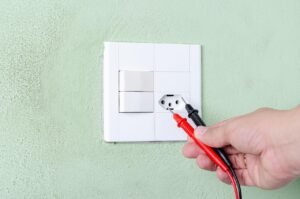
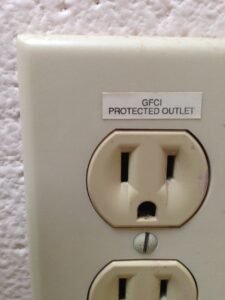
Inspection scopes vary with the provider and the home’s age, but common elements include: panel evaluation (type and breaker function), load analysis, verification of grounding, checks for aluminum or knob‑and‑tube wiring, GFCI and AFCI protection testing, junction‑box and outlet condition, and a review of smoke and CO detection. Inspectors often use thermal imaging and targeted electrical testing to reveal hot connections or overloaded circuits that aren’t visible to the naked eye. ([pugetsoundelectric.com](https://pugetsoundelectric.com/free-electrical-safety-inspection))
The inspection is also a moment to discuss longer‑term needs — whether a panel is undersized for today’s devices, or whether a homeowner should consider whole‑house surge protection or targeted rewiring — and to get a budgeted plan for repairs. Many programs prioritize urgent hazards and offer follow‑up scheduling or referrals to trusted electricians. ([pugetsoundelectric.com](https://pugetsoundelectric.com/free-electrical-safety-inspection))
Why community and utility programs matter
Electrical hazards tend to concentrate where homes are older, maintenance budgets are tight and residents may delay repairs because of cost or access. Programs that bring inspection and small repairs to people’s doors reduce that access gap: inspectors can identify unsafe wiring, replace aging outlets or GFCIs, and recommend actions that lower immediate risk. In some public programs utilities fund not just inspections but modest repairs or upgrades for qualifying households. ([clp.com.hk](https://www.clp.com.hk/content/dam/clp-group/channels/media/document/2025/20250506_en.pdf))
For homeowners, the immediate benefit is safety; for communities, the payoff can include fewer emergency calls, lower insurance losses and improved resilience. The approach also turns potentially expensive surprises into a manageable plan: an inspection often surfaces a prioritized list and cost estimates so owners can make incremental upgrades rather than emergency fixes after a failure. ([usfa.fema.gov](https://www.usfa.fema.gov/statistics/))
What you can do today
- Search local utility or municipal websites for “home electrical safety” or “community program” — many utilities post eligibility and sign‑up details. If you serve or know a vulnerable household, ask about referral routes through social services or charity partners. ([sustainability.clpgroup.com](https://sustainability.clpgroup.com/en/2025/serving-our-stakeholders/community))
- Look for obvious warning signs: frequent tripped breakers, flickering lights, outlets that are warm to the touch, scorch marks around outlets or switches, or the smell of burning plastic. Those are reasons to pause DIY work and call a licensed electrician. (Consumer and safety organizations emphasize that inspections and repairs beyond basic checks should be handled by professionals.) ([esfi.org](https://www.esfi.org/program/fire-prevention/))
- If a local contractor offers a free inspection, confirm what’s included and whether follow‑up repairs require separate contracts; reputable programs provide a written report and clear cost estimates. ([pugetsoundelectric.com](https://pugetsoundelectric.com/free-electrical-safety-inspection))
Programs that bring electrical expertise to the doorstep aren’t a single cure — major rewires and full panel replacements still cost money — but they are a practical, preventive step that reduces risk and helps households prioritize safety investments. For many older homes and vulnerable residents, that early attention can mean the difference between a small, planned upgrade and an emergency call after an avoidable fault. ([clp.com.hk](https://www.clp.com.hk/content/dam/clp-group/channels/media/document/2025/20250506_en.pdf))
Where to learn more
Start with your local utility’s website or the customer‑service pages of municipal housing or social‑services agencies. National safety organizations like the Electrical Safety Foundation International (ESFI) and federal fire statistics pages provide context on risks and prevention. If you decide to book an inspection, choose a licensed electrician and ask for a written report and itemized cost estimates. ([esfi.org](https://www.esfi.org/program/fire-prevention/))