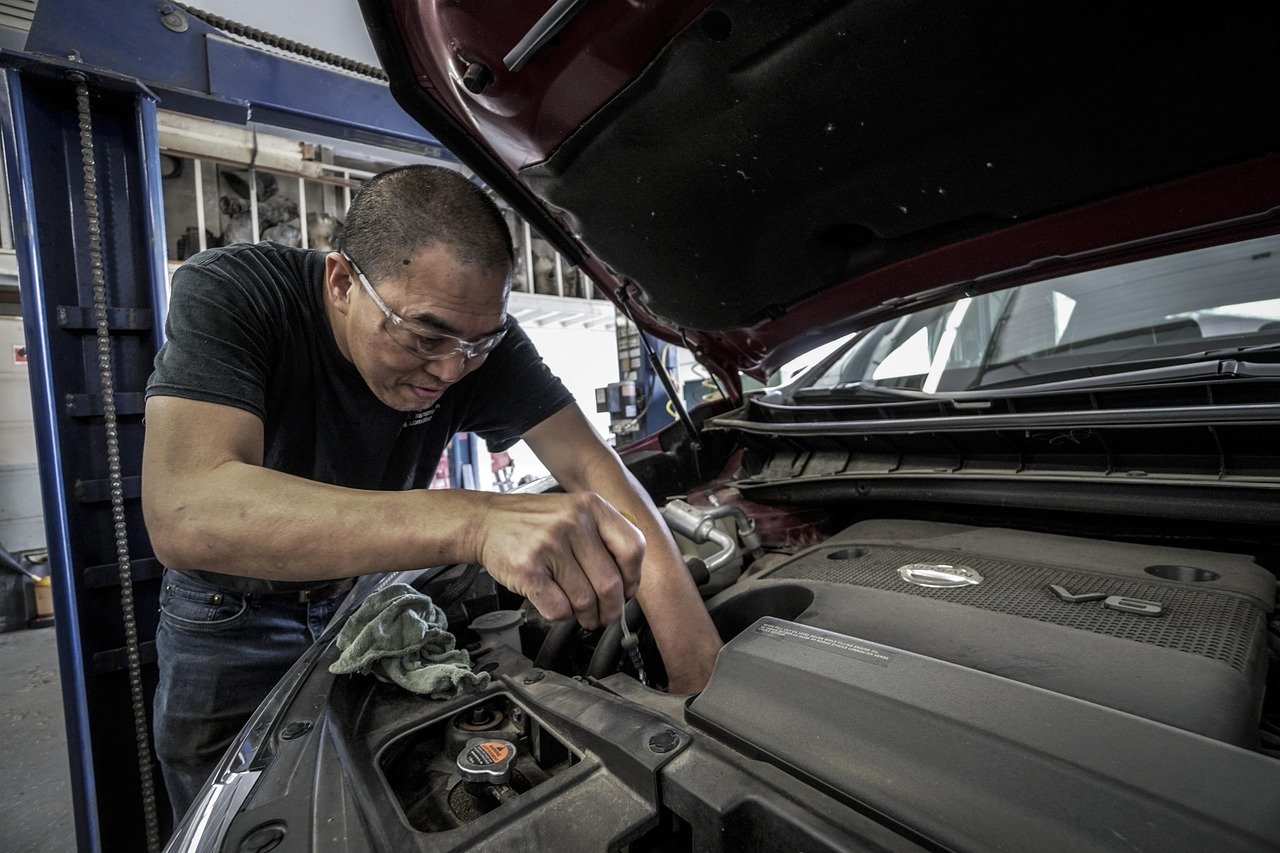
This guide shows a complete, beginner‑friendly oil change you can do at home: how to prepare, the exact sequence to drain and refill oil, and how to recycle the used oil and filter. Changing your oil yourself saves money and helps you learn a core maintenance task — but it’s important to follow your vehicle maker’s specs and local rules for used‑oil disposal.
What you will need
- Correct type and amount of motor oil for your vehicle (check the owner’s manual).
- New oil filter (model that fits your engine).
- Oil filter wrench, socket set or wrench for the drain plug.
- Drain pan (large, rigid) and a funnel.
- Car ramps or floor jack plus jack stands (never rely on the jack alone).
- Gloves, rags, and eye protection.
- Container or sealed jugs to transport used oil for recycling.
- Optional: torque wrench, oil‑change funnel with spout, work light.
Always check your owner’s manual first for the recommended oil viscosity, oil capacity, and any model‑specific instructions; manufacturers list the exact oil weight and capacity for your engine. ([ownersmanual.hyundai.com](https://ownersmanual.hyundai.com/full_webhelp/LX3/2026/en_US/topic_fsl_rsb_rcc.html))
Steps
- Park on level ground, engage the parking brake, and turn off the engine. Put the car in park (or in gear for a manual) and chock the wheels.
- Run the engine for a few minutes or drive around the block to warm the oil so it drains faster, then shut the engine off and wait about 20–30 minutes for hot parts to cool enough to work around safely. ([lowes.com](https://www.lowes.com/n/how-to/guide-to-changing-your-oil))
- Open the hood and remove the oil filler cap so the oil can drain more easily later.
- Raise the vehicle using ramps or a jack and secure it on jack stands; never crawl under a car supported only by a jack.
- Slide the drain pan under the oil pan drain plug and loosen the drain plug with the correct socket; back it out by hand and let the oil drain completely into the pan. Avoid splashes. ([lowes.com](https://www.lowes.com/n/how-to/guide-to-changing-your-oil))
- While oil is draining, locate and remove the old oil filter; keep the filter upright so oil drains into the pan, and wipe the filter mounting surface on the engine. Most manufacturers recommend replacing the filter at every oil change. ([ww1.aaa.com](https://ww1.aaa.com/autorepair/articles/how-often-should-you-change-your-oil))
- Prepare the new filter by lightly coating its rubber gasket with fresh oil and (if recommended) pre‑filling it to about three‑quarters full for certain engine types.
- When the oil flow slows to a drip, reinstall the drain plug with a new washer (if applicable) and tighten snugly; if you have the torque spec from the manual, use a torque wrench to that spec.
- Screw on the new oil filter by hand until the gasket contacts the mounting surface, then tighten according to the filter manufacturer’s instructions (often about 3/4 turn more). Do not over‑tighten.
- Using a funnel, add the correct amount and grade of fresh oil into the engine through the filler opening. Most passenger cars need four to six quarts; consult your owner’s manual for the exact capacity. ([lowes.com](https://www.lowes.com/n/how-to/guide-to-changing-your-oil))
- Replace the oil filler cap, start the engine and run it for 30–60 seconds to circulate the new oil; check under the car for leaks at the drain plug and filter.
- Shut off the engine, wait a few minutes for oil to settle, then check the level with the dipstick and add small amounts if needed until the level reads within the marked range. If your car has no dipstick, use the vehicle’s electronic oil‑level menu per the owner’s manual. ([ww1.aaa.com](https://ww1.aaa.com/autorepair/articles/how-often-should-you-change-your-oil))
- Lower the car, clean any drips, and safely transfer used oil to sealed containers for recycling; do not pour oil down drains or on the ground. ([epa.gov](https://www.epa.gov/recycle/managing-reusing-and-recycling-used-oil))
Tips & warnings
- Do not overfill — excess oil can cause foaming and engine damage. Add oil in small pours and recheck the dipstick. ([lowes.com](https://www.lowes.com/n/how-to/guide-to-changing-your-oil))
- Never work under a car supported only by a hydraulic jack; use rated jack stands or ramps and chock the wheels.
- Used oil is hazardous: one gallon can contaminate large amounts of water. Keep oil sealed and take it to an approved recycling site or many auto parts stores that accept DIY used oil and filters. ([epa.gov](https://www.epa.gov/recycle/managing-reusing-and-recycling-used-oil))
- If you can’t find the drain plug or filter location, or the plug or filter is damaged, stop and consult a professional — don’t force components or risk a stripped plug.
- Keep a shop notebook: record date, mileage, oil grade, and quantity added so you and any future technician know your maintenance history.
Disposing of used oil and filters responsibly is as important as the oil change itself. Many community recycling centers, municipal hazardous‑waste programs, and auto‑parts stores accept used motor oil and drained filters — check local options before you start. ([epa.gov](https://www.epa.gov/recycle/managing-reusing-and-recycling-used-oil))
If this still feels like too much the first time, an oil‑change lane at a trusted shop or a single‑visit with a friend who has done it before are good ways to learn. Once you’ve done your first change with care, it becomes a quick, inexpensive routine you can rely on to help your car live longer.