A water bill that suddenly climbs can be hard to explain, especially when there is no obvious puddle or dripping tap. A simple meter check can help you find out whether water is flowing when you think it should not be.
This guide shows you how to check for a possible leak without taking plumbing apart. The test can point to a problem, but it cannot tell you exactly where the leak is or how much it will cost to fix.
Before you start
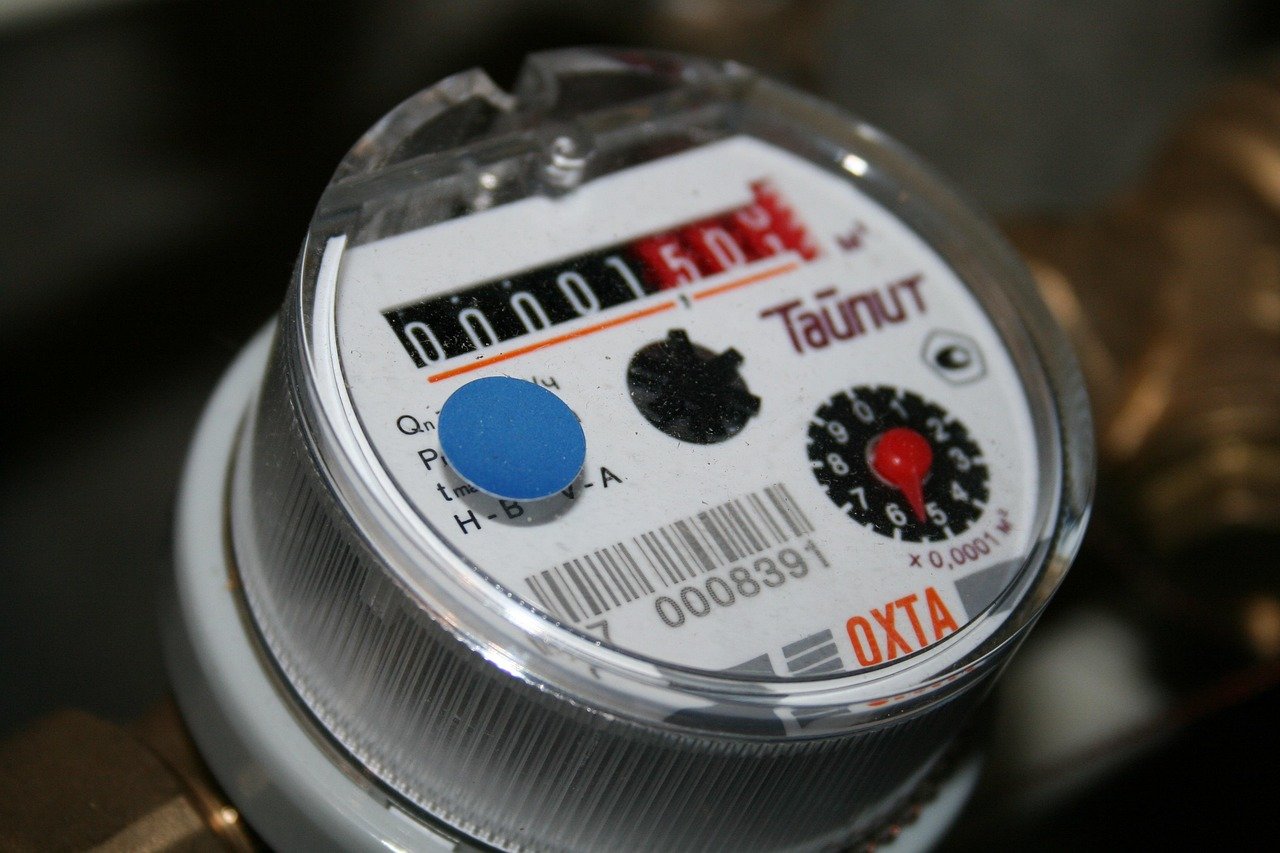
Have a recent water bill handy and a phone or notepad for recording meter readings. Find out where your meter is and how to read its display using your water utility’s instructions; meter designs vary. If the meter is behind a locked cover, in an unsafe spot, or appears sealed, do not force it open or disturb it. Ask the utility for help.
Check the bill and meter
- Compare the billing periods. Check the dates covered by the latest bill and compare the water use—not just the amount owed—with earlier bills. A longer billing period can mean more usage. Look for whether the reading is marked actual or estimated; if it is estimated, ask the utility how to submit or request an actual reading.
- Stop household water use. Choose a time when nobody will use faucets, toilets, showers, the dishwasher, or washing machine. Turn off irrigation and avoid water-using appliances that may run automatically during the test, such as an ice maker. If you share a meter with other households, their use may affect the result.
- Record the meter reading. Follow the utility’s directions to read the meter. Write down the numbers or take a clear photo, and note any leak indicator if the meter has one. Some displays cycle through information, so allow time to see the usage reading.
- Wait two hours without using water. Keep water off throughout the test. If you cannot prevent automatic water use or other people from using the meter, the result may not be conclusive.
- Check the meter again. Record the reading a second time and compare it with the first. If it has changed, water may have flowed during the test. Repeat the check at a time when you can be sure no water is being used before drawing a conclusion.
A changing reading is a reason to investigate, not proof that a particular pipe is leaking. Toilets are one possible source. To check one, put a few drops of food coloring in the toilet tank without flushing. Wait about 10 minutes. If color appears in the bowl, water may be leaking from the tank into the bowl. Flush afterward to clear the color.
What to do with the result
If the meter changes again during a no-use test, or the toilet test suggests a leak, contact your landlord if you rent, or a qualified plumber if you own the home and cannot identify a simple cause. Your water utility can explain its meter-reading process, check whether a bill was estimated, and tell you whether it offers leak alerts or a review of an unusually high bill. Ask before assuming a leak adjustment is available; policies differ.
Things to know
- Water use can vary with weather, guests, lawn watering, and the number of days in a billing period. Compare usage as well as cost.
- Some utilities base sewer charges partly on water use, but billing rules vary. Ask your provider how a leak could affect your account.
- If the meter does not change, that is reassuring for the test period, but it does not rule out every intermittent leak.
A short, careful meter check can help you decide whether to keep monitoring, ask the utility about your bill, or get plumbing help. Start with the evidence, and let the utility or a qualified professional guide the next step.