In 1974, a survey found only four Mauritius kestrels in the wild. The small falcon, found nowhere but the Indian Ocean island of Mauritius, had been pushed to the edge by habitat loss and other pressures. Its recovery became one of conservation’s striking examples of what sustained, hands-on work can achieve.
The bird is still rare, and its future is not guaranteed. But the kestrel’s return from a tiny remnant population to a wild population numbering in the hundreds shows how a species can be brought back from the brink—and why a successful rescue is a beginning, not an ending.
A falcon with a very small home
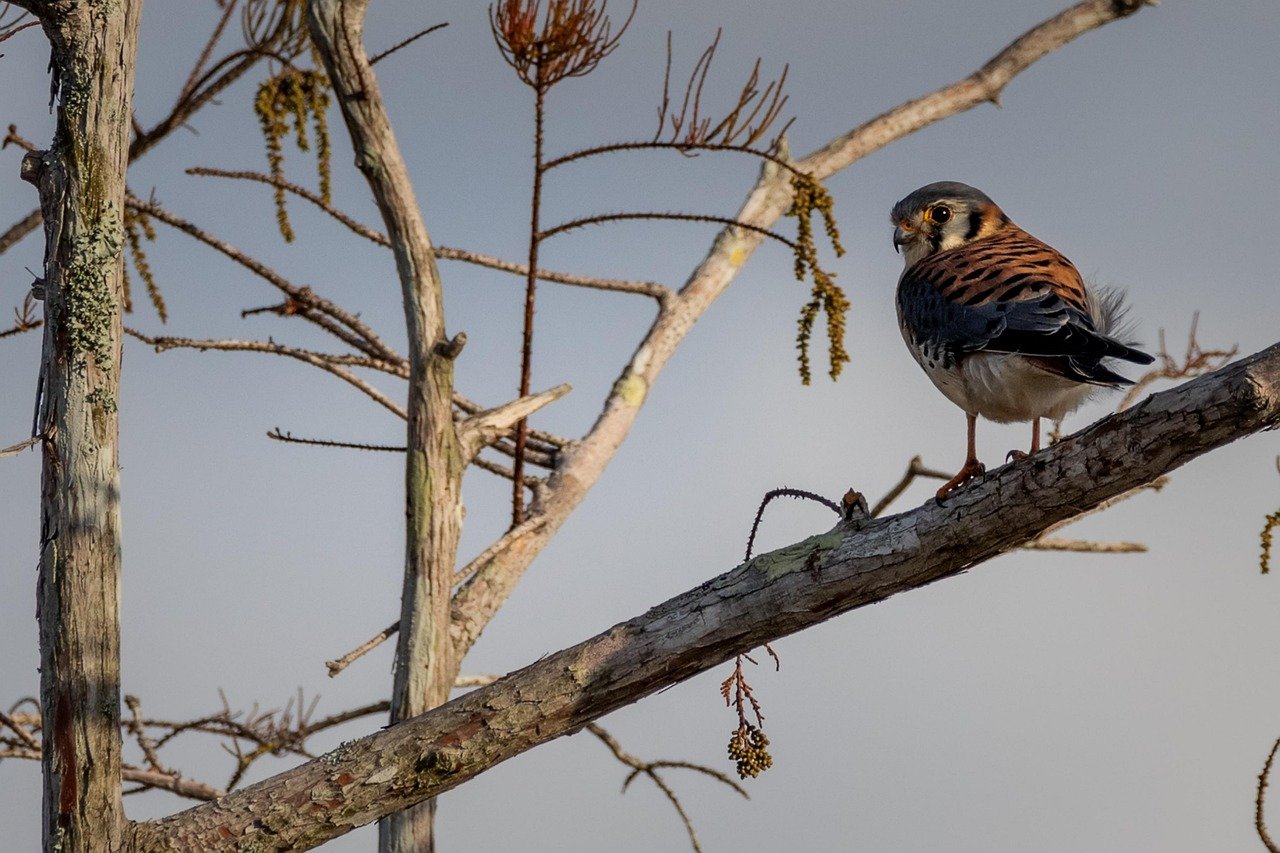
The Mauritius kestrel is a compact bird of prey that hunts in the island’s wooded landscapes. It feeds on small animals, including geckos and insects, and needs suitable places to nest and hunt. Because the species is endemic—native to Mauritius and found nowhere else—damage to the island’s remaining forest affects its entire global population.
By the 1970s, forest had been lost or altered across much of Mauritius. Predators introduced to the island added another challenge for a bird whose population was already extremely small. The four kestrels recorded in 1974 were not a comfortable reserve against further losses: a population that small can be vulnerable to bad breeding seasons, disease and the loss of just a few adult birds.
Recovery required more than protection
Conservationists responded with an intensive program. Rather than relying on habitat protection alone, they worked to increase the number of young birds that could survive and breed. The effort included captive breeding, releasing birds into the wild and monitoring nests. In some places, nest boxes gave kestrels additional sites to raise chicks, while direct management helped young birds through vulnerable stages.
These methods addressed a practical problem: even if suitable forest remained, a population with only a handful of known birds might not recover quickly enough on its own. Breeding and release could add birds, while nest and field work helped improve the odds that they would reproduce after release. Conservation teams also tracked the population and adjusted their approach as conditions changed.
The work was carried out over years, not as a one-time release. That matters because a bird counts as part of a lasting recovery when it can survive, breed and contribute to future generations. Putting kestrels back into the landscape was only one step; ensuring they could establish themselves there was the harder test.
From four to hundreds
Over subsequent decades, the wild population grew from its near-disappearance to hundreds of birds. The increase is often cited as a landmark conservation recovery, but it was not the result of a single intervention. Captive breeding, releases, nest management and protection of remaining habitat formed a connected effort.
The story also shows why population figures need context. A count in the hundreds is a profound improvement on four known birds, but it does not make the kestrel common. Its entire range is still one island, and the population depends on the health of particular habitats and on continued management. Recovery from an emergency threshold is different from being free of risk.
For conservationists, monitoring is part of the job after a population rises. Surveys can reveal whether birds are occupying suitable areas, whether they are breeding successfully and whether numbers are stable. If a threat changes, managers may need to respond. The work shifts from rapidly preventing extinction toward maintaining the conditions that allow the species to persist.
Why the comeback matters—and what it cannot fix
The Mauritius kestrel’s recovery offers a clear lesson: small populations can respond to well-targeted conservation, especially when people combine breeding programs with work in the wild. It also highlights the value of local expertise. A recovery plan has to fit the species’ habits and the island’s ecology; releasing birds alone cannot substitute for places where they can feed, nest and raise young.
At the same time, the kestrel is not a simple story of a problem solved. Habitat change and introduced predators remain concerns for island wildlife, and the kestrel’s limited range leaves it exposed to threats that could affect much of its population at once. Its history makes the case for protecting forest and maintaining long-term field work, not for stepping away from either.
More than four decades after that survey counted four birds, the Mauritius kestrel is again part of the island’s living landscape. The achievement is not that conservation made the falcon invulnerable. It is that a carefully managed effort gave a species on the brink room to recover—and a chance to keep flying over its only home.