When Nellie Bly left Hoboken, New Jersey, in November 1889, she was carrying a small bag and a large proposition: that a journey around the world could be made in less than 80 days. The number came from Jules Verne’s 1873 novel, Around the World in Eighty Days. Bly wanted to turn its fictional itinerary into a real, timed trip—and report it as she went.
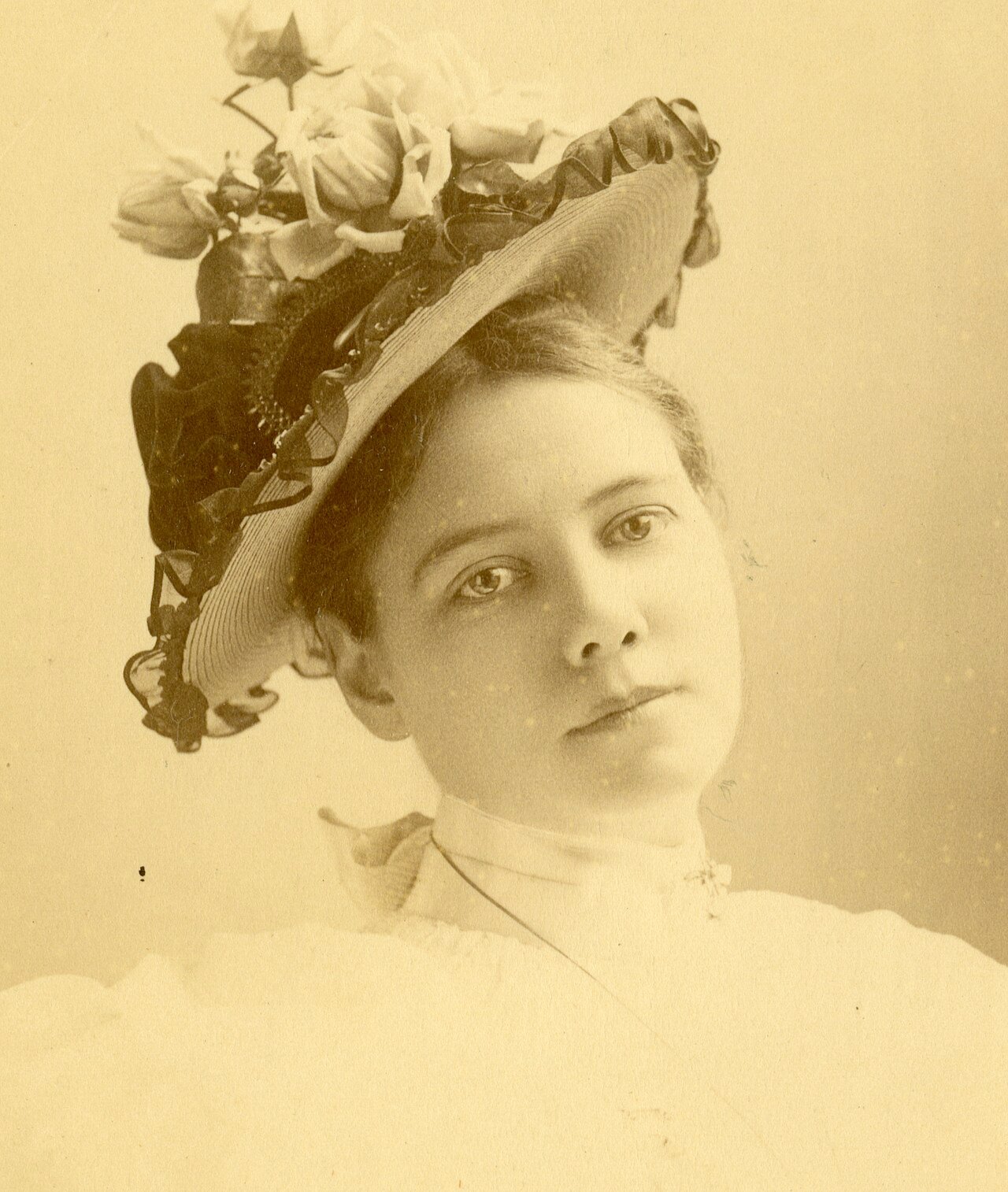
She was 25 and already a well-known newspaper journalist. Her editors at the New York World sent her eastward by train and steamship, while another reporter, Elizabeth Bisland, set off in the opposite direction for a rival publication. Bly’s departure on November 14, 1889, began a journey that would make her one of the most famous travelers of her era. She returned on January 25, 1890, after 72 days, six hours and 11 minutes.
A newspaper story with a moving deadline
Bly’s trip was more than a string of destinations. Its deadline gave the journey a plot that readers could follow: every transfer, delay and missed connection mattered. The World reported her progress to readers, turning a trip across several continents into a continuing public event.
Her route crossed the Atlantic to England, continued through France and the Mediterranean, and then carried her through the Suez Canal and across the Indian Ocean. From Asia she sailed onward to North America, crossing the United States to reach New Jersey again. Railways and steamships made the itinerary possible, but they did not make it effortless. Bly had to navigate schedules and changing connections, while the clock kept running.
That combination of movement and reporting set her adventure apart. Bly was not simply an observer describing distant places after returning home. Her progress itself was the story. Readers could imagine the remaining miles and wonder whether the next ship or train would keep her within the 80-day limit.
Traveling as a woman—and as a reporter
Bly made the trip on her own, an important part of how the journey was understood at the time. She traveled with a compact amount of luggage rather than the extensive wardrobe expected of many women travelers. Her independence was practical as well as symbolic: she had to make decisions, keep to a schedule and manage the ordinary uncertainties of travel without a companion directing her route.
That does not mean she moved through a world without constraints. Her journey depended on the transport networks and political arrangements of the late nineteenth century, including routes shaped by European empires. Traveling alone also brought attention precisely because contemporary expectations often treated women’s independent movement as unusual. Bly’s achievement was not that every barrier disappeared, but that she made a demanding itinerary visible—and completed it.
She also made encounters part of the dispatches. In France, she met Jules Verne and his wife, Honorine, at their home in Amiens. The meeting connected the literary inspiration for the race with the journalist who had made it real. Bly’s account did not merely repeat the novel’s premise: it showed what a modern traveler had to do to move across the actual world.
The finish line—and what it meant
On January 25, Bly arrived back in New Jersey to a public welcome. Her elapsed time was under Verne’s fictional 80 days, and the World had a result readers could measure: 72 days, six hours and 11 minutes. Bisland, who had started on the same date while traveling in the other direction, returned later. The competition helped turn the trip into a national spectacle, but Bly’s reporting and personal accomplishment remained its center.
The journey was not an expedition into uncharted territory. Its significance lay elsewhere: in how Bly used a newspaper assignment, commercial travel and a carefully watched clock to make a woman’s solo movement around the globe the subject of mass attention. She was traveling through established routes, not claiming to have discovered the places along them. Her achievement was to make the journey herself and bring readers along through her reporting.
Bly’s reputation was built on more than this trip. She had already gained notice for investigative journalism, and she later continued reporting and writing. But the 72-day journey remains a vivid example of her method: take a public question, enter the story directly and report what happens. The globe-spanning itinerary gave that approach an unforgettable scale.
More than a century later, the journey can be read both as an endurance feat and as a snapshot of a world being linked by steamship timetables and rail lines. Bly did not make travel easy or equal for everyone. She did show that a woman reporter could cross those networks independently, meet a deadline and turn the attempt into a story millions could follow.