For most birds, a breeding season arrives each year. The kākāpō does not keep such a schedule. This large, flightless parrot from New Zealand tends to breed when rimu trees produce abundant fruit—a natural event that can be separated by years. When the forest offers a bumper crop, conservation teams face a brief, demanding opportunity to help the species raise its next generation.
That link between bird and tree is one reason kākāpō recovery is not simply a matter of moving animals somewhere safe. It depends on managing a vulnerable population, protecting it from introduced predators and understanding the ecological conditions that make breeding possible.
A parrot unlike any other
The kākāpō (Strigops habroptilus) is nocturnal and cannot fly. It is also the world’s only flightless parrot. Males gather at display sites and make deep, far-carrying calls to attract females. The species evolved in New Zealand without the mammalian predators that later arrived with people. Ground-nesting and flightlessness, once part of life in that environment, became dangerous as introduced cats, stoats and rats spread.
By the late 20th century, the remaining birds were in serious trouble. Conservation accounts describe a population of just 51 in 1995. A recovery effort built around locating the survivors and moving them to islands where introduced predators had been removed helped give the species a safer place to live. The work continues under New Zealand’s Department of Conservation, alongside Māori partners and other specialists.
Why the trees matter
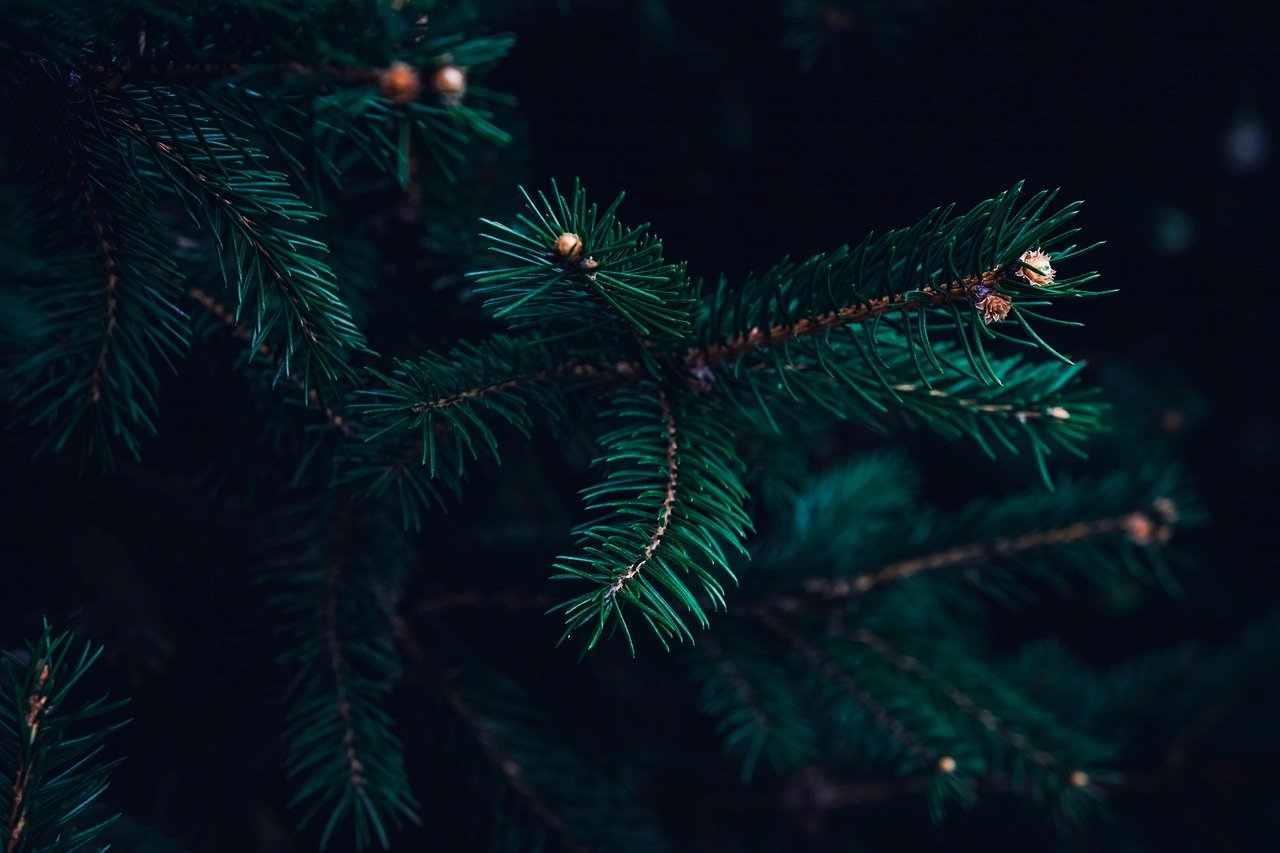
Rimu is a native conifer whose fruit can provide an important food supply for kākāpō chicks. Rimu fruiting is irregular, and a strong crop can prompt breeding that would not otherwise happen that year. In effect, the bird’s reproductive calendar is tied to a forest cycle it cannot control.
That creates a distinctive conservation challenge. Teams need to be ready when a breeding season begins, even though the timing and size of the fruit crop vary. They monitor birds and nests, and may intervene when an egg or chick needs help. The aim is not to make the species breed on a human timetable; it is to help more chicks survive during the rare windows when breeding conditions are favorable.
Intensive care is possible because the surviving birds are individually known and monitored. Staff can track where birds are, check their condition and respond to problems at nests. These measures require substantial work, but they are designed to support a wild population rather than replace its natural behavior.
Safe islands are a beginning, not an endpoint
Moving kākāpō to predator-free islands addressed an immediate threat. It did not remove every risk. Small populations can be vulnerable to disease, accidents and limited genetic diversity. They also depend on a relatively small number of protected places, where food, habitat and biosecurity need continuing attention.
Each breeding season therefore brings both hope and careful decisions. Managers must protect eggs and chicks without losing sight of the longer-term goal: a population able to persist with less intensive help. The birds’ slow breeding rhythm makes every successful season valuable, but it also means recovery cannot be judged by one burst of growth alone.
Genetic management is part of that long view. When numbers are low, the family relationships among individuals matter. Keeping track of ancestry helps conservationists make informed breeding decisions and avoid treating the population as a collection of interchangeable birds. In a species with so few individuals, careful records are a practical tool for maintaining future options.
Recovery means caring for a relationship
The kākāpō story is often told through striking facts: a parrot that walks rather than flies, calls that carry across a forest, and breeding linked to a tree’s fruit. But the conservation lesson is less about novelty than connection. The bird’s survival depends on safe habitat, predator control, healthy forests and sustained human attention.
That connection also sets limits on what a headline can claim. A successful breeding season is encouraging, but it is not the same as being out of danger. The population remains managed, and the natural conditions that support breeding do not arrive on demand. Recovery is a continuing effort to preserve the species while reducing the threats that made such intensive intervention necessary.
For now, the rimu crop still helps set the pace. When fruit is abundant, conservation teams work to give each breeding opportunity the best chance to succeed. Between those seasons, protecting habitat and keeping the islands safe are just as important. The kākāpō’s future is being built not by one dramatic rescue, but by matching patient, detailed care to the rhythms of the forest.