Before Sesame Street, children’s television was often built around cartoons, slapstick or gentle diversions. On November 10, 1969, a new program arrived with a more ambitious idea: television could meet young children where they were and help prepare them for school.
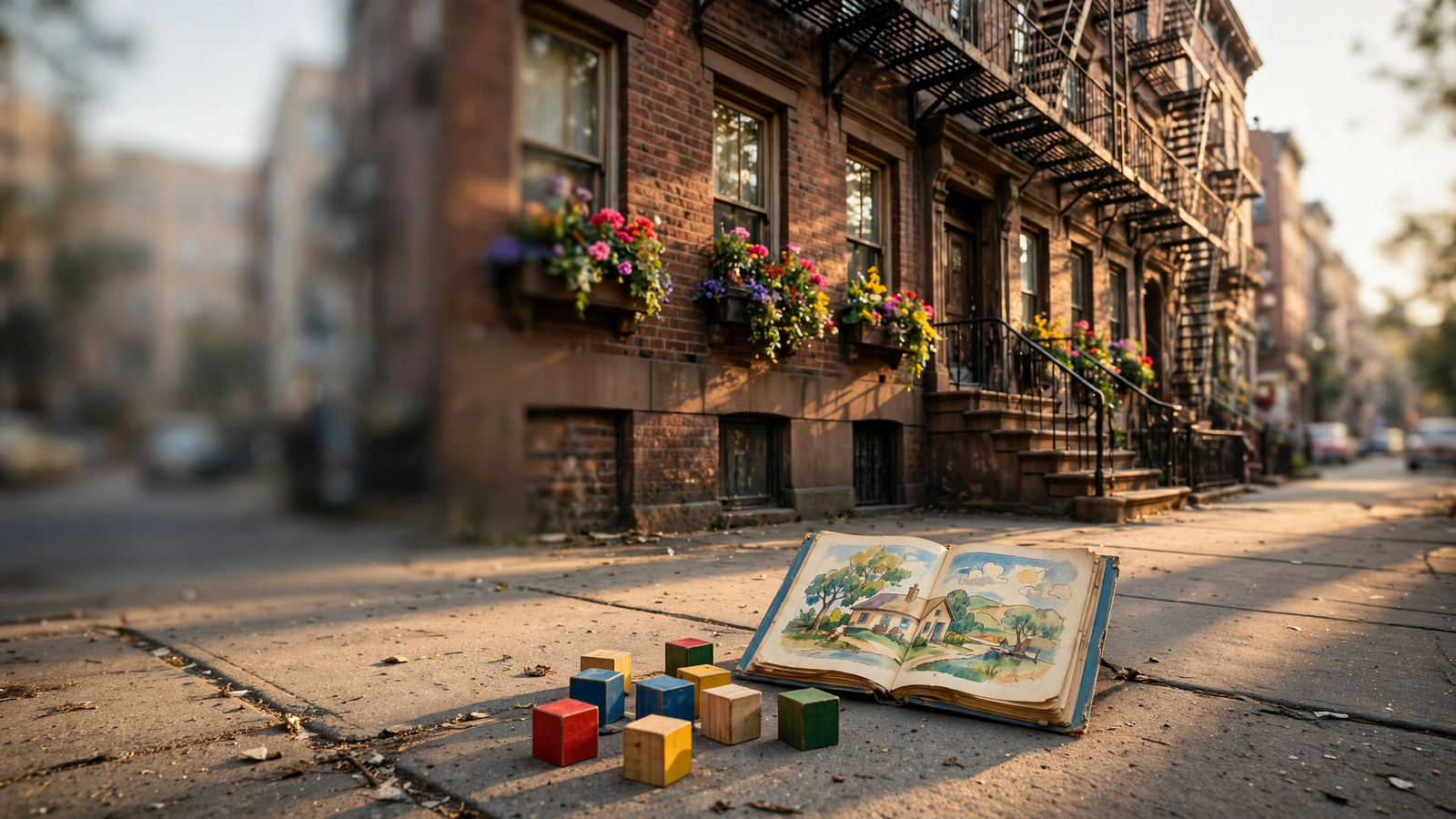
The setting was simple—a city block with a stoop, a corner store and a lively mix of human neighbors and puppets. The purpose was revolutionary. Sesame Street was designed as an educational program, but it did not look like a classroom. It looked like a place children could recognize, filled with jokes, songs, repetition and characters who treated curiosity as a reason to keep watching.
A show built around a learning plan
The program grew from a partnership between television producer Joan Ganz Cooney and philanthropist Lloyd Morrisett. Their work led to the creation of the Children’s Television Workshop, the organization that developed the series with educators, researchers and producers.
That collaboration gave Sesame Street an unusual structure. The team identified specific goals—such as recognizing letters and numbers, understanding simple ideas and developing social skills—then shaped stories and segments around those goals. Researchers studied how children responded to the program and used what they learned to improve future episodes.
This approach became known as formative research. Instead of assuming that adults knew what children would understand, the producers tested material with young viewers. A sketch that was confusing could be revised. A character or song that held attention could become part of the show’s toolkit.
The neighborhood made learning feel social
The show’s most important innovation may have been its sense of community. Big Bird, Oscar the Grouch, Cookie Monster, Bert and Ernie shared the screen with human performers, making the lessons feel like conversations rather than lectures. Gordon, Susan, Bob and their neighbors modeled reading, counting, friendship, disagreement and problem-solving.
The setting also reflected the diversity of American city life more closely than much of the television available to children at the time. Children could see adults and performers with different backgrounds working, playing and learning in the same neighborhood. The result was not a perfect picture of the country, but it was a welcoming one—and one that suggested that education belonged to everyone.
From a television experiment to a cultural landmark
Sesame Street quickly became more than a successful children’s program. Its songs entered family life. Its characters became familiar across generations. Its method influenced educational television around the world, while its basic format proved flexible enough to address new subjects, from emotional development to health and inclusion.
The program also showed that learning television did not have to choose between usefulness and delight. A child might remember a letter because it appeared in a carefully planned lesson—or simply because it was part of a funny song, a surprising monster routine or a story about friends on the block.
In 2019, the Library of Congress selected the original Sesame Street television program for preservation in the National Film Registry, recognizing its cultural, historical and aesthetic importance. That honor captured what the series had accomplished: it turned a daily television visit into a shared American place.
More than five decades after its debut, the show’s central idea remains remarkably durable. Good educational television does not need to imitate school. It can build a neighborhood, invite children inside and make learning feel like something people do together.