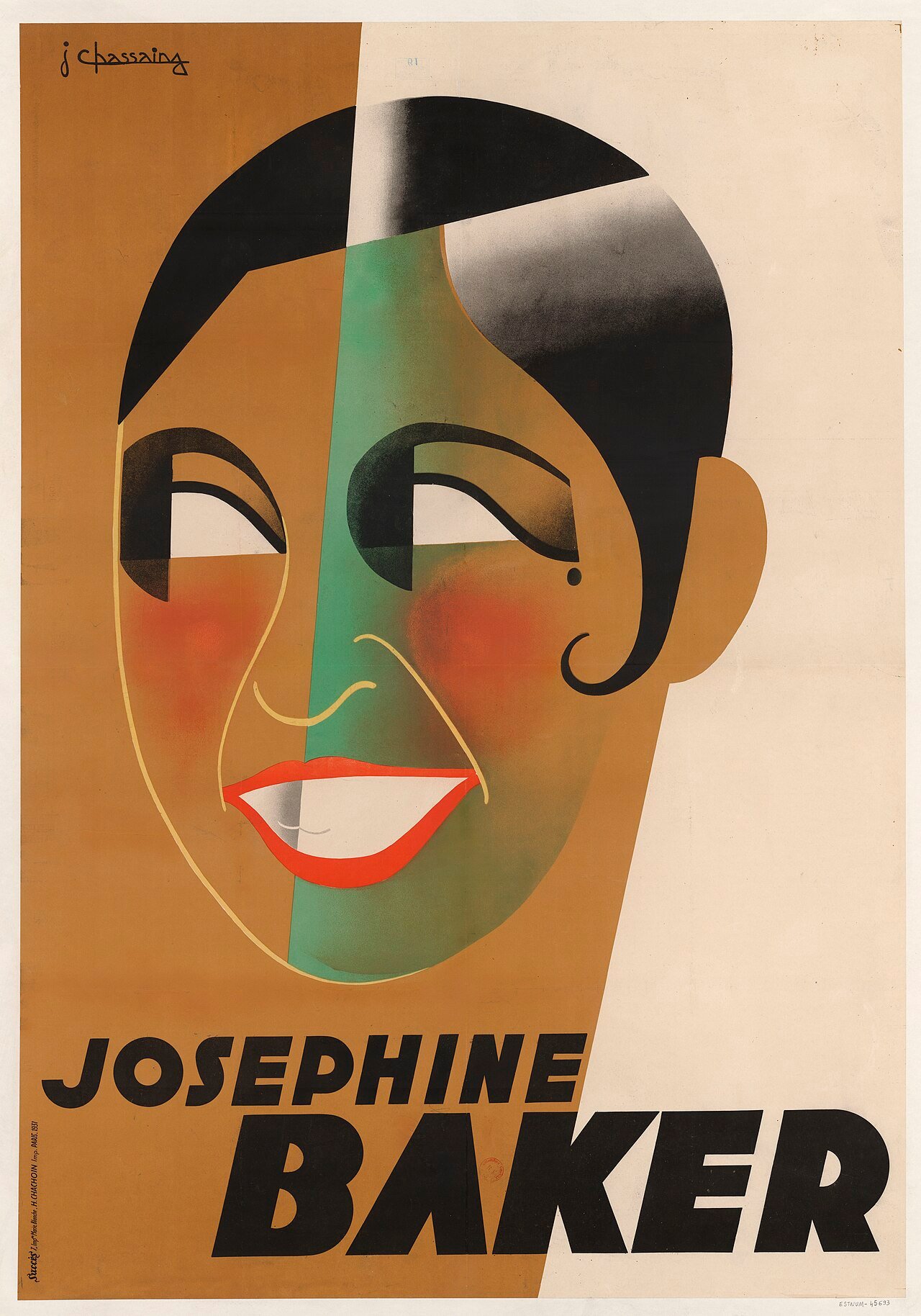
Josephine Baker’s name is often linked to one dazzling image: a dancer in a jeweled costume, commanding a Paris stage. But that image captures only a sliver of her career. Baker was a comedian, singer and actor who built a life across two countries, challenged the limits imposed on Black performers and used the visibility she earned in entertainment in ways that extended well beyond the stage.
Born Freda Josephine McDonald in St. Louis in 1906, she grew up in a city and an era shaped by racial discrimination. She began performing while still young, working her way through touring shows and New York productions. In 1921, she married Willie Baker; she later kept his surname as her professional name. Her early work in New York’s musical theater gave her experience, but it was a move overseas that transformed her career.
A Paris breakthrough
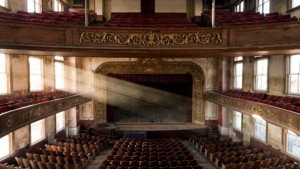
In 1925, Baker traveled to Paris with the company of La Revue Nègre, a production that introduced American Black performers and jazz-influenced music to French audiences. The show opened at the Théâtre des Champs-Élysées. Baker’s dancing and comic timing stood out, and she quickly became a sensation. Within a few years she was appearing at the Folies Bergère, one of the city’s best-known music halls.
Her success came in a complicated cultural moment. European audiences were drawn to jazz and to performances presented as novel or exotic, and publicity around Baker often leaned on racist stereotypes. That context matters: it helps explain the forces shaping her reception, without reducing her to the images others marketed. Baker was a skilled performer with a sharp sense of comedy and stage presence. She worked with the material and conventions of her time to create an act audiences remembered—and a public identity that she could turn into international recognition.
Paris offered a larger professional platform than Baker had found in the United States. She toured, recorded music and took film roles, including appearances in La Sirène des tropiques (1927), Zouzou (1934) and Princesse Tam-Tam (1935). Film gave her another kind of reach: audiences who could not attend a Paris revue could encounter her on screen. Her career also crossed boundaries between entertainment forms at a time when Black performers were often denied equal access to American venues and opportunities.
Fame, and the limits of a homecoming
Baker did not simply leave the United States behind. She returned for performances, including a 1936 engagement in New York. The contrast between her European fame and the discrimination she encountered in the United States was stark. In the early 1950s, she publicly challenged segregated treatment at American venues. Her experiences made clear that international celebrity did not automatically protect a Black woman from racism at home.
She used her position to speak against discrimination, including by refusing to perform for segregated audiences. Her choices carried professional risks: a performer depended on bookings, and confronting venue policies could cost work. Baker’s fame gave her a public platform, but it did not make the struggle for equal treatment easy or settle it. Her story is one of achievement and agency, not a simple tale in which celebrity erased barriers.
A performer in wartime
When World War II began, Baker was living in France. After the German occupation, she worked with the French Resistance, using her travel and social connections to help pass information. Accounts of her service describe her carrying intelligence gathered through contacts and concealing notes among her papers or within musical materials. Her fame could give her access to people and places that might attract less suspicion, though the work was dangerous.
She also performed for French troops. These were not separate lives so much as different uses of the skills and access her career had given her: the ability to travel, meet people and command attention. After the war, France recognized her service. In 1961, she received the Croix de Guerre and the Légion d’honneur, among other honors. The recognition added a striking chapter to the story of a woman first known to many through entertainment.
A career larger than one image
Baker continued performing for decades. In later life, she supported the civil rights movement in the United States and spoke at the 1963 March on Washington. She also created what she called a “Rainbow Tribe,” adopting children from different countries. That project reflected her hope of presenting a family united across national and racial lines, though it was also a demanding personal undertaking rather than a neat resolution to the conflicts she had spent her life confronting.
In 1975, Baker returned to the Paris stage in a show celebrating her career. She died in Paris that year, shortly after the opening. The ending is poignant, but it is not the only reason her story endures. Baker’s work crossed dance, music, theater and film; her public life also reveals how a performer could be celebrated in one country and constrained in another.
Remembering Baker as more than a costume or a wartime anecdote restores the scale of her achievement. She built an international career through talent and persistence, adapted to changing stages and audiences, and used her visibility to confront injustices that fame could not make disappear. The image of the Paris star remains vivid. The fuller story is more compelling: an entertainer who made a stage for herself, then carried her influence into the world beyond it.