Compost is often described as a natural fertilizer. That is true, but it misses much of its value. In a garden, finished compost is also a source of organic matter: material that can help change how soil holds water, how it clumps together and how well roots and soil organisms can live in it.
That distinction matters. Compost is not a shortcut that turns any soil into perfect soil, and it is not a complete replacement for every nutrient a plant may need. Its most lasting contribution is often less dramatic: it helps improve the growing environment beneath the surface.
From scraps to soil amendment
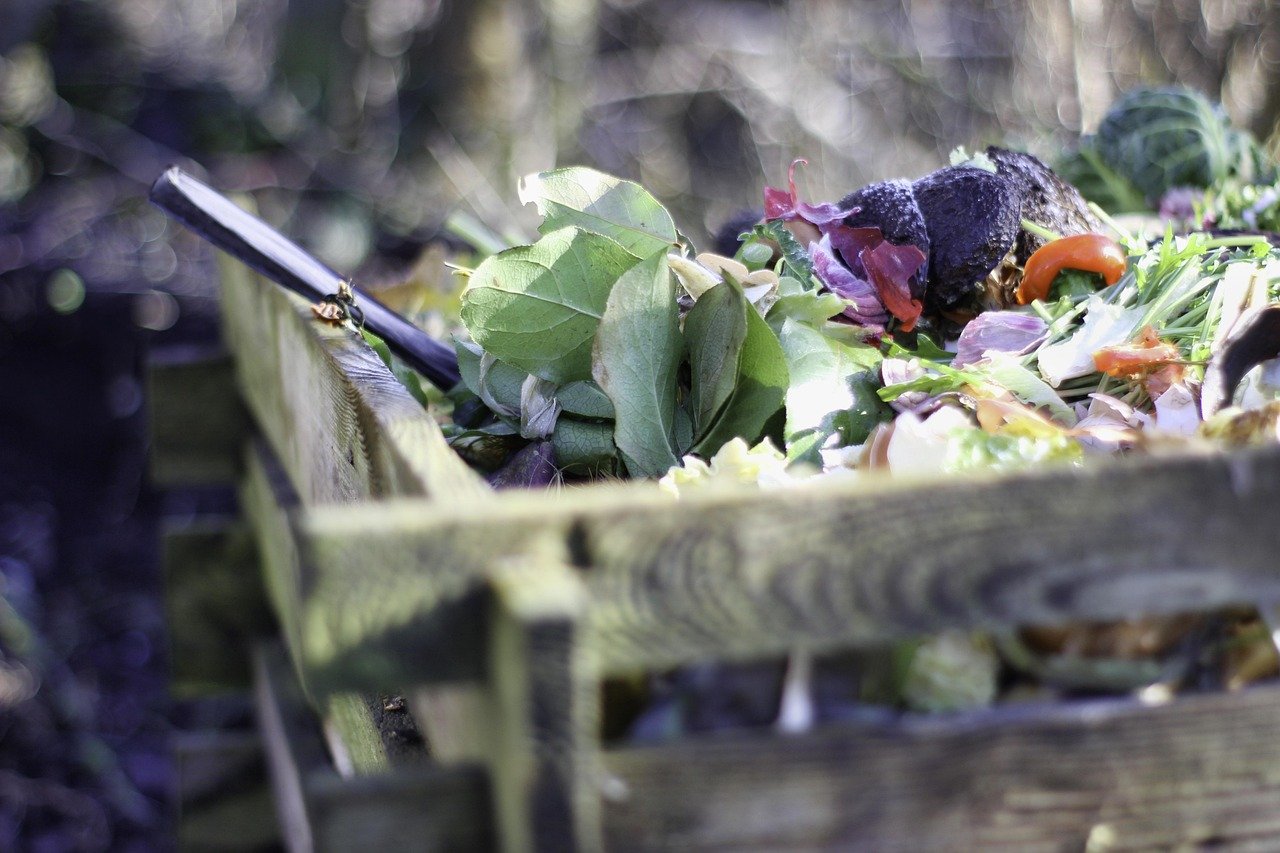
Composting is the managed breakdown of organic materials such as leaves, garden trimmings and vegetable scraps. Microorganisms do much of the work, using carbon-rich materials, such as dry leaves, and nitrogen-rich materials, such as fresh plant matter. A well-managed pile also needs air and moisture. The result is a more stable material than the ingredients that went in.
Finished compost is generally dark and crumbly, with an earthy smell. It should no longer look like a pile of recognizable food and fresh plant scraps. Those signs are useful, but appearance alone cannot certify that a batch is mature or suitable for every use.
In a garden bed, compost can be mixed into the soil before planting or applied as a surface dressing. Either way, it adds organic matter. That material can help bind some soils into aggregates—small clumps that leave spaces for air and water. In clay-heavy soil, improved structure can make the ground less dense. In sandy soil, organic matter can help water and nutrients remain available for longer. The result depends on the soil, the compost and local conditions; compost does not make every soil behave the same way.
A habitat, not just a nutrient packet
Soil is home to an active community of organisms, including bacteria, fungi and small invertebrates. Organic materials provide food and habitat for many of them. As organisms break down compost and other residues, nutrients are transformed into forms that plants can use. This is part of a living cycle, not an instant release of a measured dose.
That is one reason compost usually should not be treated as a precise fertilizer. Its nutrient content varies with the materials and process used to make it. If a plant has a particular nutrient deficiency, compost alone may not correct it quickly or predictably. A soil test can offer more useful guidance than guessing, especially when a garden has a recurring problem.
Compost can also help soil hold water, but it is not a substitute for sensible watering or drainage. A bed that stays waterlogged may still need a drainage solution, and a thin layer of compost cannot compensate for unsuitable site conditions. Think of compost as an improvement to the soil system, not a fix for every gardening challenge.
Use enough, not as much as possible
More compost is not automatically better. Repeatedly adding large amounts can lead to an excess of nutrients or salts, depending on the material. That can create problems for plants and, if nutrients move off the site, for nearby water. Compost made with unknown inputs may also be an uncertain choice for a vegetable garden.
For a new bed, gardeners often blend compost into the upper layer of soil. For an established bed, applying it at the surface can add organic matter with less disturbance to roots and soil life. The right amount depends on the bed and the compost, so follow guidance suited to your region and the product’s instructions. If compost is being used routinely, a soil test can help show whether the soil actually needs more.
Choose compost that is fully broken down for planting around sensitive seedlings. Fresh or unfinished material can continue decomposing in the bed, a process that may temporarily make some nutrients less available. And if you make compost at home, keep the pile appropriately moist and aerated. EPA guidance for backyard composting advises balancing green materials, such as fruit and vegetable scraps, with brown materials, such as dry leaves, and turning the pile to introduce air.
A small cycle with a long view
Composting connects garden maintenance to soil care. Leaves and plant trimmings that might otherwise be discarded can become material for the next bed or growing season. Home composting is not suitable for every material or every household: meat, dairy and oily foods, for example, can attract pests in a basic backyard pile. Local composting rules and collection programs may accept different materials.
The practical lesson is simple: use mature compost as one part of a broader approach to healthy soil. Keep the ground covered where practical, avoid unnecessary disturbance, and match amendments to what the garden needs. Compost will not replace good site selection, suitable plants or careful watering. But used thoughtfully, it can feed soil organisms and improve the physical conditions that help roots grow.
That is why compost is more than plant food. It is a way to return organic matter to the ground and support the processes that make soil a living part of the garden.