Tire tread helps your car grip the road, especially when it is wet. You can check its depth and look for uneven wear at home without lifting the car or removing a wheel.
This guide explains two simple checks: using a penny or a tread-depth gauge, and looking across each tire for wear or damage. These checks can flag a problem; they do not replace a professional inspection when a tire looks damaged or wears unevenly.
What you will need
- A penny, or a tire tread-depth gauge from an auto-parts store.
- A flashlight if the tread is hard to see.
- A level place to park, with the car in Park or in gear and the parking brake on.
You do not need to jack up the car. Check the tires when they are cool enough to handle comfortably, and keep your hands clear of moving traffic. If the car is parked somewhere unsafe, wait until you can move it to a safer spot.
How to check tread depth
- Park safely. Choose a level, well-lit place away from traffic. Turn the car off and set the parking brake.
- Look over each tire. Check all four, including the inner and outer edges as far as you can see. Turn the steering wheel to one side to make the front tires easier to inspect, then check the other direction. Do not reach beneath the car.
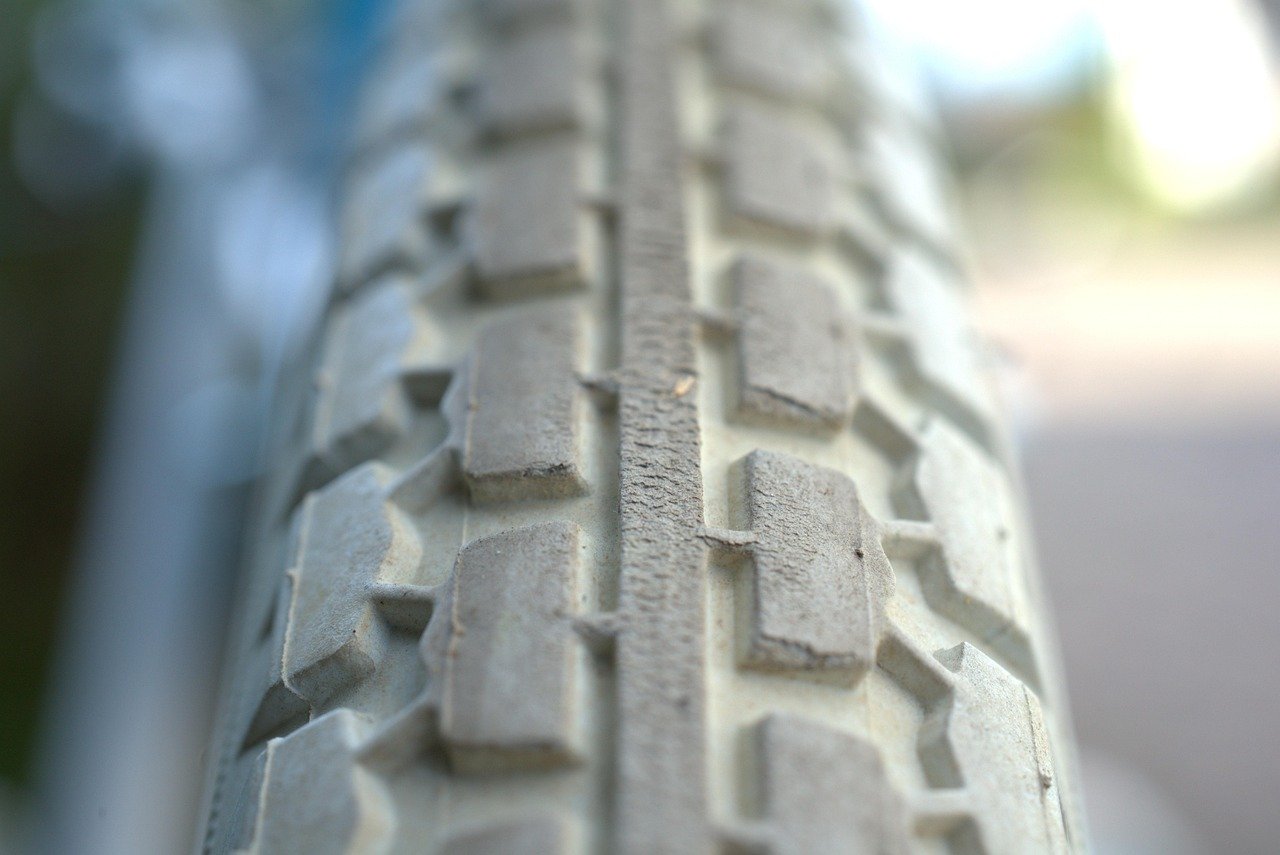
- Choose several tread grooves. The grooves are the channels that run around the tire. Check more than one place across the tire’s width and at different points around its circumference. A single measurement may miss an area that has worn more than the rest.
- Try the penny test. Hold a penny with Abraham Lincoln’s head upside down and insert it into a main tread groove. If you can see all of Lincoln’s head, the tread is at or below the point where NHTSA recommends replacing the tire. Repeat in several grooves on each tire. The penny is a quick screening tool, not a precise measurement.
- Use a tread-depth gauge for a clearer reading. Place the gauge’s probe in a main groove, avoiding the small raised wear bar in the groove. Keep the gauge’s base flat across the tread and read the result according to the gauge’s instructions. Repeat at several spots on each tire. If readings vary noticeably, note where the shallowest area is.
- Check the wear bars. Many tires have small raised bars across the grooves. If the surrounding tread has worn down until it is level with these bars, the tire is worn out and should be replaced. Check the tire maker’s guidance as well.
- Write down what you find. Note any tire with very shallow tread, a substantially different reading from the others, or a clear difference between its center and edges. This gives a tire professional useful information.
What uneven wear can tell you
Compare the center of the tread with both shoulders—the outer edges of the tire. Also compare the inside and outside edges. Wear concentrated in one area, or a pattern that differs from the other tires, is a reason to get the tire and vehicle checked. Uneven wear can have several possible causes, so the pattern alone cannot tell you exactly what needs repair. A tire shop or mechanic can inspect the tires and assess the car.
Also look for cuts, cracks, exposed cords, or a bulge in the sidewall. A bulge or exposed cord is not a tread-depth issue; it is a sign to contact a tire professional promptly. If a tire appears damaged, do not treat a good tread reading as proof that it is safe.
Tips and things to know
- Do not rely on one spot. Tread can wear unevenly across the width or around the tire. Check several grooves and locations.
- Know what 2/32 inch means. NHTSA identifies 2/32 inch as the point at which tires are worn out and should be replaced. A penny can help identify tread at or below that level, but a gauge provides a more direct reading.
- Do not wait for a warning light. A tread check is a visual and hands-on task; it is not something to assume your dashboard will alert you about.
- Get an uneven pattern assessed. Do not guess at a fix from a wear pattern or try to correct it by changing tire pressure at random. Follow the pressure listed on the vehicle’s tire-information label or in the owner’s manual, and ask a professional to investigate unusual wear.
- Check regularly. Include a tread look-over in routine car checks, and inspect sooner if you notice a change in handling or see damage. Follow your owner’s manual and tire maker’s maintenance advice.
A penny or gauge takes only a few minutes to use, and checking every tire gives you a more useful picture than looking at one alone. If tread is at the wear bars, the penny test shows all of Lincoln’s head, or you see damage or uneven wear, contact a tire professional to discuss what to do next.