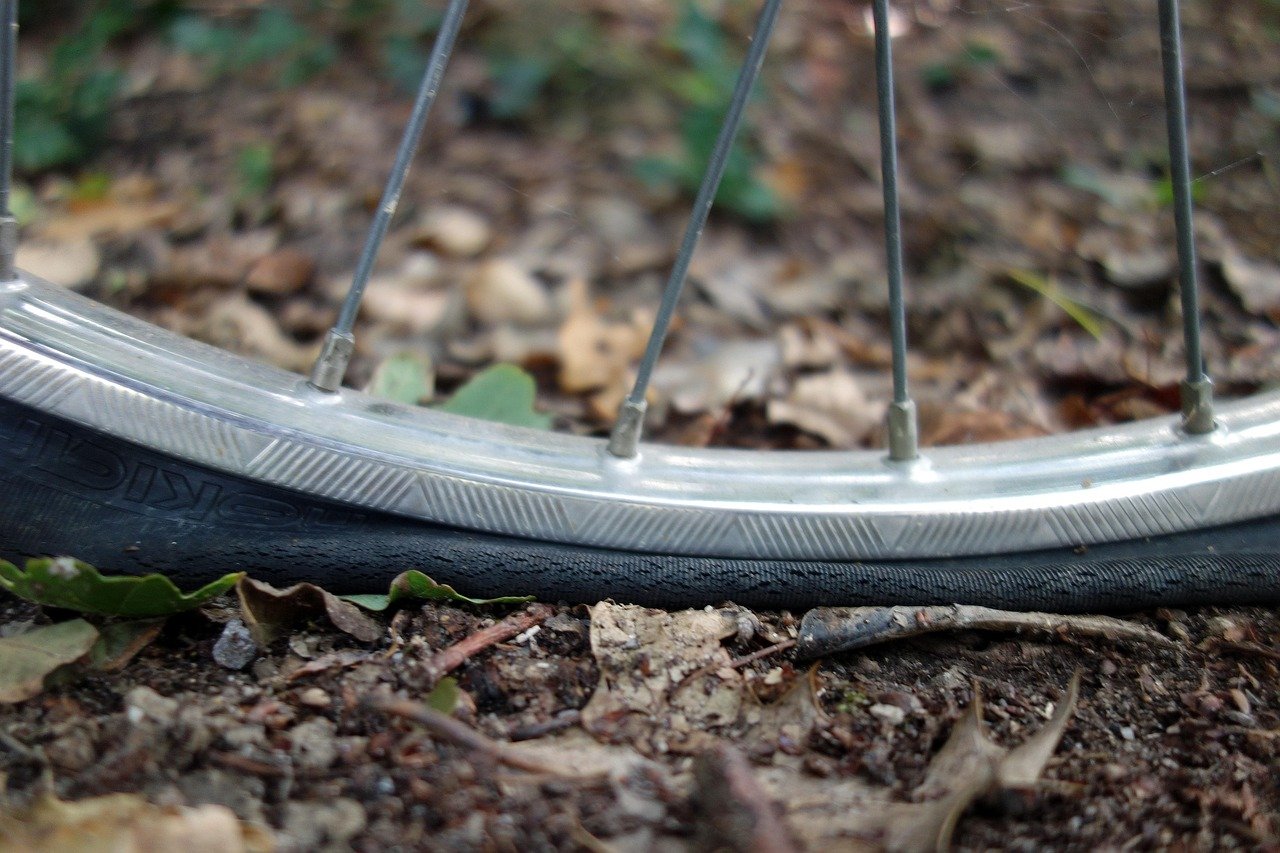
A flat tire is stressful, but changing one can be manageable when your car has a usable spare and you can work well away from traffic. The most important first step is deciding whether the location is safe enough to do the job.
This guide walks through the basic process for a typical car. Your owner’s manual takes priority: jack locations, tools, and spare-tire instructions vary by vehicle. If you do not have a spare, cannot find the correct tools, or feel unsafe, call roadside assistance instead.
What you will need
- Your vehicle’s owner’s manual
- A spare tire that is properly inflated and suitable for use
- The car’s jack and lug wrench, usually stored with the spare or in the cargo area
- Wheel chocks, if supplied with the vehicle
- A wheel-lock key, if your wheels use locking lug nuts
Check the manual before starting so you know where to find the equipment and where the jack must contact the vehicle. Never use a jack point you have guessed at, and never get under a vehicle supported only by a jack.
Steps: changing the tire
- Find a safe place to stop. Move as far from moving traffic as you can, onto firm, level ground. Avoid soft shoulders, slopes, and locations where you would have to work close to traffic. If you cannot reach a safe spot, do not try to change the tire there; call for help. Turn on your hazard lights.
- Secure the car and its occupants. Put an automatic transmission in Park or a manual transmission in gear, then set the parking brake. Ask passengers to get out on the side away from traffic and wait in a safe place. If your manual specifies wheel chocks, position them as directed.
- Get out the spare and tools. Consult the manual for their storage locations and any setup instructions. Make sure the spare is the right type for the vehicle and looks usable. If it is missing, damaged, or visibly low, do not count on it to get you safely back on the road.
- Loosen the lug nuts before lifting the car. Remove any wheel cover if needed. Fit the wrench to a lug nut and turn it counterclockwise. Loosen each nut slightly, but leave them in place for now. If a locking lug nut is fitted, use its matching key. If a nut will not loosen, do not put yourself in a position where you could fall or pull the car off balance.
- Position the jack at the approved lifting point. Find the location in the owner’s manual; using the wrong point can damage the vehicle or make it unstable. Set the jack on firm, level ground, then raise the car only as directed by the manufacturer. Keep your hands and body out from beneath the vehicle.
- Remove the flat wheel. Once the tire is clear of the ground, finish removing the loosened nuts and keep them together. Pull the wheel straight toward you. If it will not come free, check your manual or call for assistance rather than striking the vehicle or forcing it in a way that could make the jack unstable.
- Fit the spare. Line up the wheel with the mounting points and push it into place. Put the lug nuts back on by hand, tightening them enough to hold the wheel against the hub. If the nuts or wheel do not seem to fit, stop: the spare may not be correct for your vehicle.
- Lower the car and tighten the nuts. Lower the vehicle until the spare touches the ground as the manual directs, then tighten the nuts with the wrench. Tighten them in a crossing pattern—one nut, then the one across from it—so the wheel seats evenly. Lower the vehicle fully and follow the manual’s instructions for final tightening. Use the specified torque if you have a torque wrench; do not guess at a torque value.
- Stow the equipment and check the spare’s limits. Put the flat tire and tools somewhere secure. Before driving, read the spare’s label and your manual for any speed or distance restrictions. Compact spares are temporary; do not treat one as a regular tire.
Things to know
Some vehicles come with a tire inflator or repair kit instead of a spare. These products have their own instructions and may not work for every kind of tire damage. Check your manual rather than assuming a repair kit is a substitute for a spare.
After fitting a spare, drive cautiously and arrange to have the original tire inspected or replaced as soon as practical. If the car pulls, vibrates, makes an unusual noise, or the wheel does not feel secure, stop somewhere safe and get help. A wheel that has been removed and refitted may need its lug nuts checked or tightened again according to the vehicle maker’s instructions.
A careful finish
A safe tire change depends on a stable location, the correct jack point, and following your vehicle’s instructions—not speed. If any part of the job feels unsafe or does not match the manual, roadside assistance is the right next step.