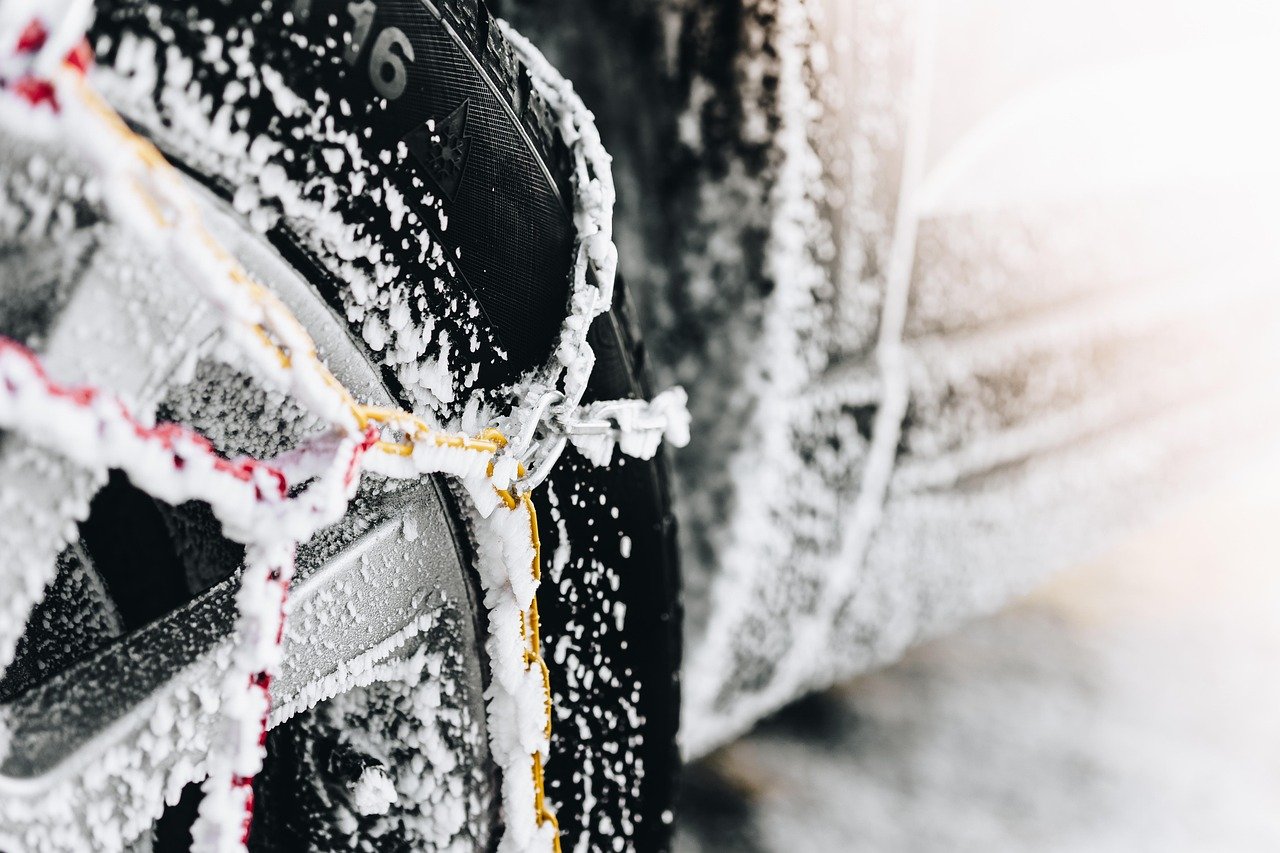
Cold weather can make an existing car problem harder to ignore—and leave you with fewer comfortable options if the car won’t start or a road turns slippery. A winter check is a chance to catch basic maintenance needs, prepare for local conditions, and put a few useful supplies in the car.
You can handle several checks yourself. For anything that looks damaged, leaks, or is beyond the owner’s manual, ask a qualified mechanic rather than guessing.
What you’ll need
- Your owner’s manual and a flashlight
- A tire-pressure gauge, if you have one
- Washer fluid labeled for the temperatures you expect
- An ice scraper and snow brush
- Warm clothing and a small emergency kit
Winter-preparation steps
- Review your maintenance schedule. Check the owner’s manual and any service records for maintenance that is due, such as an oil change or scheduled inspection. If a warning light is on, the car is making a new noise, or you notice a fluid leak, arrange an inspection before relying on it for winter travel. Don’t treat this checklist as a substitute for the vehicle’s maintenance schedule.
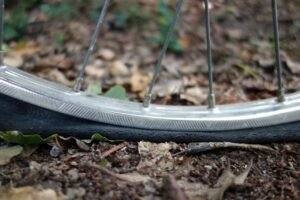
- Check the tires when they’re cold. Use a gauge to check pressure before driving, or after the car has been parked for several hours. Compare the reading with the recommended pressure on the driver’s-door label or in the manual—not the maximum pressure printed on the tire sidewall. If a tire is low, inflate it according to the vehicle’s recommendation, then check again. Also look for visible damage and tread-wear bars, the raised indicators molded into the grooves. If the tread is at the wear bars, or you see a bulge, crack, or other damage, have the tire assessed by a tire professional.
- Decide whether your tires suit your winter conditions. All-season tires may be adequate for some drivers and climates, but they are not a guarantee of traction on snow or ice. If you regularly drive in severe winter conditions, ask a tire professional whether winter tires are appropriate for your vehicle and routes. Check local requirements before traveling; rules can vary by place and road.
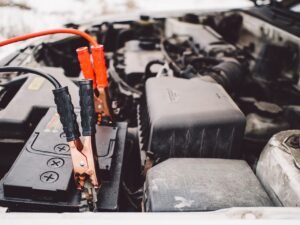
- Pay attention to how the battery starts the car. A slow or hesitant start can be a reason to have the battery and charging system tested before colder weather. If you don’t know the battery’s age or the car has recently needed a jump-start, ask a mechanic or auto-parts service provider about testing. Avoid handling a battery if it is cracked, leaking, swollen, or otherwise damaged.
- Check the coolant level only when the engine is cool. If your vehicle has a translucent coolant reservoir, use the manual to identify it and check whether the level is between the markings. Never remove a radiator cap when the engine is hot; pressurized coolant can cause serious burns. A low level, a leak, or uncertainty about whether the coolant is suitable for your climate calls for professional advice. Don’t guess at a coolant mixture or add a product without checking the manual.
- Top up washer fluid with a winter-suitable product. Use fluid labeled for temperatures you might encounter, and follow its instructions. Summer washer fluid can freeze in cold conditions. If the reservoir is empty, fill it using the location and method shown in the manual; don’t confuse it with the coolant reservoir.
- Test the wipers, lights, and defrosters. Run the wipers and washer system, and check that headlights, brake lights, and turn signals work. Replace wiper blades that streak heavily, skip, or leave areas unwiped. Test the front and rear defrosters if your car has them. If a light or defroster doesn’t work, consult the manual or arrange a repair rather than assuming it will be fine in winter weather.
- Put basic supplies in the car. Keep an ice scraper and snow brush where you can reach them. Consider adding warm clothing, gloves, a flashlight, water, and basic first-aid supplies. Choose items that suit your climate and travel habits, and check them occasionally so they remain usable. If you carry medication, think ahead about how to keep it within its storage instructions.
- Make clearing the car part of every snowy departure. Brush snow from the windows, mirrors, lights, and roof so it won’t block your view or blow onto other road users. Before starting the engine, check that the tailpipe is not blocked by snow. Never warm up a vehicle in an enclosed garage, even with the garage door open; exhaust can contain carbon monoxide.
Things to know
Cold weather can affect tire pressure, so a reading taken in a warm garage may not match one taken outside. Check pressure regularly and follow the vehicle’s label or manual. If a warning light appears, consult the manual to understand what it means; don’t rely on a seasonal checklist to diagnose it.
Winter preparation cannot make every trip safe. Check road and weather conditions before setting out, leave extra time, and postpone travel when conditions are beyond your comfort or the vehicle’s capability.
A careful check of the tires, battery, fluids, visibility, and supplies is a manageable way to prepare for colder months. Start with your owner’s manual, fix concerns before a trip, and ask for help when a check raises questions.