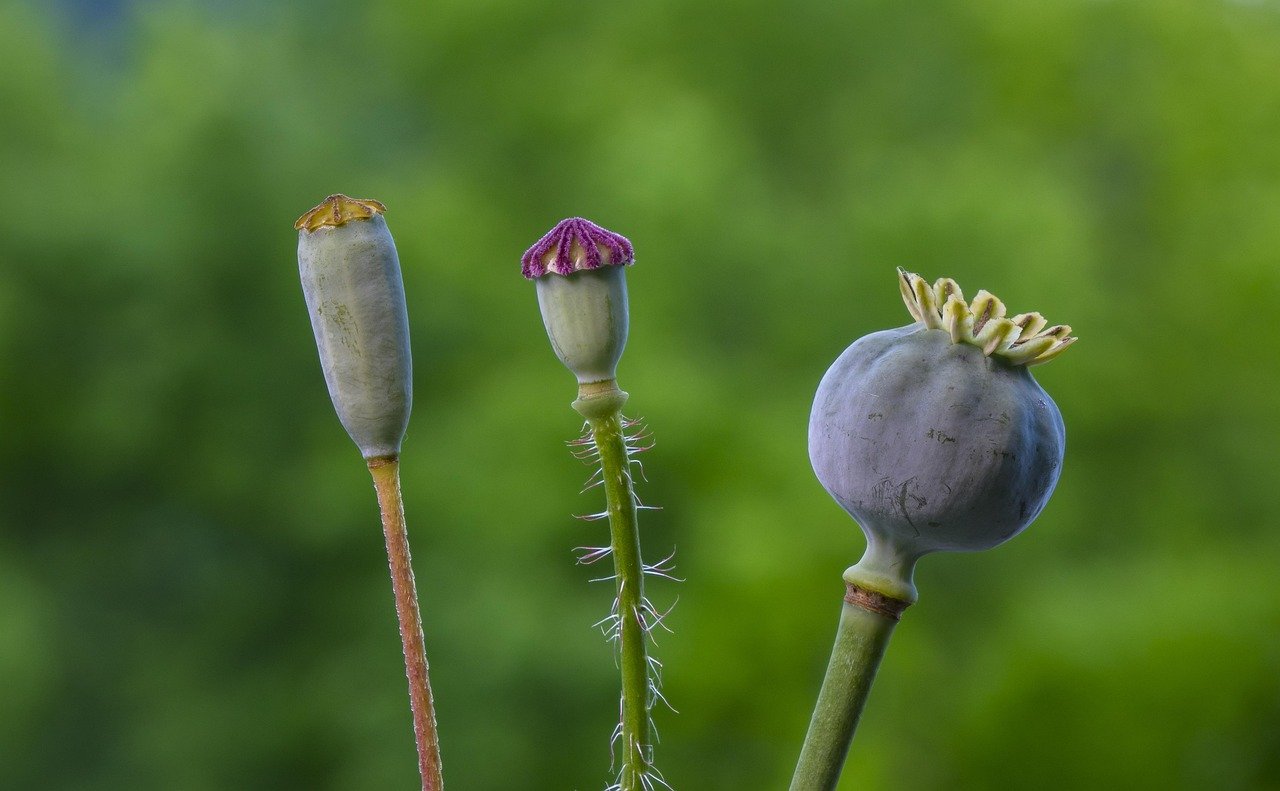
A seed can look like a small, finished thing: a plant’s future packed into a dry shell. In a seed bank, however, it is also a carefully documented sample—one that may hold genetic traits, represent a population from a particular place, or give researchers and conservationists a way to grow a species again.
That makes seed banks less like simple storage cupboards and more like living collections in suspended animation. Their work involves choosing what to collect, keeping seeds in conditions that slow their decline, checking whether they remain alive and, when needed, growing new plants to renew a collection. The long-term goal is not to replace nature with jars of seeds. It is to preserve options while protecting plants in the places where they grow.
Why store seeds?
Seeds are a practical way to preserve many plant species. A relatively small sample can hold the potential to produce many plants, and dry seeds of some species can remain viable for years when kept cold. Researchers may use stored material to study a species, while conservation programs may need seeds to support restoration or strengthen a threatened population.
Seed banks also matter for agriculture. Crop collections can preserve varieties and genetic diversity that may be useful to breeders responding to pests, disease or changing growing conditions. A collection does not guarantee that a useful trait will be found—or that it can be transferred easily—but it can keep genetic material available for future work.
Wild-plant collections serve a different, though sometimes overlapping, purpose. They can document diversity beyond the crops people already rely on. The Millennium Seed Bank, run by the Royal Botanic Gardens, Kew, at Wakehurst in England, works with partners to collect and conserve wild plant seeds. The samples are tied to information about their identity and origin, because a seed without reliable records has limited scientific and conservation value.
Not every seed can go in the freezer
Many seed-bank collections use a basic preservation sequence: clean the seeds, dry them under controlled conditions, seal them in suitable containers and keep them cold. Low moisture and low temperature slow the biological processes that gradually damage living tissues.
But this method does not work for every plant. Seeds described as “orthodox” can tolerate drying and cold storage. Others, often called “recalcitrant,” are damaged if dried too far and may not survive conventional freezer storage. Some plants also produce seeds rarely, or are difficult to collect and grow. For those species, conservation may require other approaches, such as keeping plants in cultivation or preserving plant material using specialized techniques.
So a seed bank is not a universal backup button. Botanists first need to know enough about a species’ biology to decide whether seed storage is suitable. Even for species whose seeds store well, a collection is only a sample of the genetic diversity present in the wild. Collecting from multiple plants and locations, while following local rules and working with local partners, can make that sample more representative.
Storage is a process, not a single event
Once seeds are stored, the work continues. Collections need monitoring because seeds do not remain alive indefinitely. Banks can test samples by trying to germinate a portion and assessing how many grow. If viability falls, staff may be able to grow plants and harvest fresh seed, provided the species can be cultivated and the process is appropriate for the collection.
Records are just as important as temperature. A useful collection needs to identify the species, the collection location and other relevant details. Those records let researchers interpret what a sample represents and help keep material from different populations from being confused. Seed conservation is therefore part botany, part careful long-term recordkeeping.
The Svalbard Global Seed Vault in Norway illustrates another role for seed storage: backup. It holds duplicate samples from seed collections around the world, adding a layer of protection if a contributing genebank’s own collection is lost or becomes inaccessible. It is not a substitute for those collections. The original genebanks retain responsibility for their samples and for making decisions about their use.
This distinction matters. A secure vault can reduce the risk that a collection disappears in one local emergency, but it cannot by itself maintain every crop variety, protect wild habitat or ensure that seeds will grow in the future. The vault is one part of a larger network of institutions, growers, scientists and conservation work.
A backup for nature, not a replacement
Seeds stored away from their natural environment cannot carry out all the ecological roles of living plants. A forest, grassland or wetland is also a network of relationships—with soils, pollinators, fungi, animals and climate. Keeping a seed sample does not conserve those relationships, nor does it remove the pressures that may be harming a species where it grows.
That is why seed banking works best alongside habitat protection and restoration. Stored seeds can preserve material for research or possible future recovery; conservation in the wild protects the populations and ecological processes that make a plant part of its landscape. Neither approach makes the other unnecessary.
The quiet achievement of a seed bank is that it gives future generations more choices. A sample collected today may help answer a question that has not yet been asked, support a restoration effort or preserve diversity that would otherwise be harder to recover. Its promise depends on patience, accurate records and continued care—and on remembering that a vault can safeguard a seed, but only living landscapes can keep a plant’s world intact.