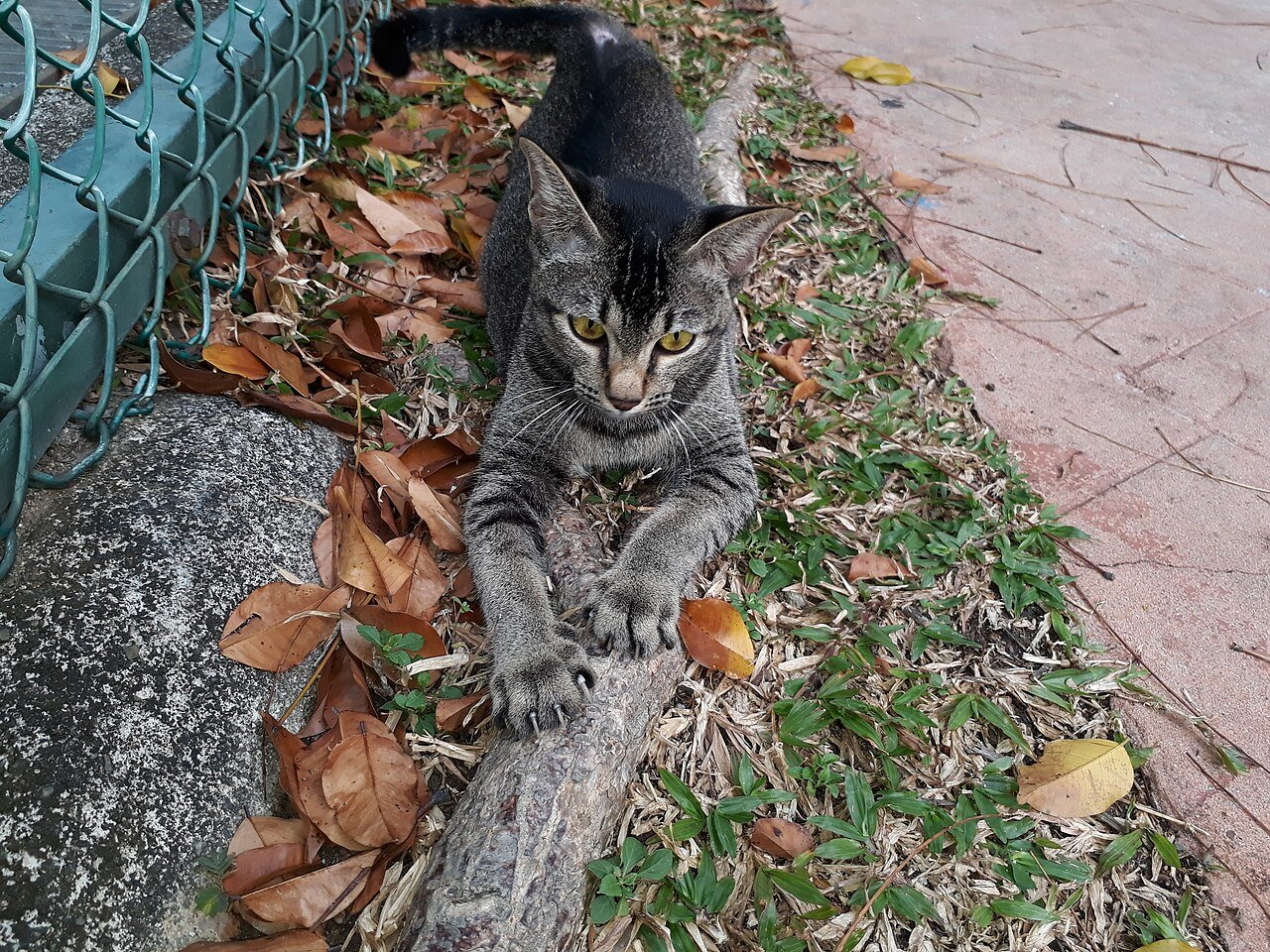
A cat scratching a chair or sofa is not being spiteful. Scratching helps cats stretch and maintain their claws, and it can also mark a familiar spot. The practical goal is to give your cat an appealing place to scratch while making the furniture less tempting in the meantime.
This gradual approach works best when you match the scratching surface to your cat’s preferences and put it where your cat already wants to scratch. You may need to try more than one kind of post or pad.
What you will need
- A stable scratching post or pad, or a few different types to test.
- A temporary, secure way to protect the scratched furniture.
- Treats or a favorite toy for rewarding interest in the new surface.
Steps
- Notice what your cat is choosing. Watch where and when the scratching happens. Note whether your cat reaches upward on a chair, scratches a rug horizontally, or visits a particular spot after waking. The location, angle and texture offer clues about what to provide.
- Choose a surface that fits the habit. For upward scratching, try a vertical post that is steady and tall enough for your cat to stretch. For floor-level scratching, try a horizontal pad. Scratching surfaces come in different materials, including sisal, cardboard and carpet; if you are unsure, offer more than one type and see which your cat uses. A post that wobbles or tips may put a cat off.
- Put the new surface beside the target. Set the post or pad right next to the furniture your cat scratches. A post tucked away in another room may not compete with a familiar, well-placed target. If your cat scratches after waking, place another suitable surface near a favorite sleeping spot.
- Make the furniture less inviting for now. Temporarily cover the scratched area with a secure furniture cover or a protective material designed for that use. Follow its directions and check that it stays in place and cannot trap or entangle your cat. If you use an adhesive product, make sure it is intended for use around pets and suitable for the furniture surface. Keep the appealing scratching alternative close by.
- Reward use of the post or pad. When your cat scratches the new surface, offer a treat, calm praise or a short play session. You can also invite exploration by moving a toy near the post. Keep rewards easy and immediate. Don’t grab your cat’s paws and force them against the surface; let your cat choose to use it.
- Keep the setup steady while the habit changes. Leave the new surface in place and continue rewarding its use. Once your cat uses it reliably, you can try moving it a little at a time toward a more convenient location. If your cat stops using it, move it back or reconsider its style, stability or location.
Tips and things to know
Skip punishment
Yelling, spraying water or startling a cat may make the cat wary of you or the area, rather than teach where scratching is welcome. Calmly interrupting and making the permitted surface easy to find is a more useful plan. Avoid punishing your cat after the fact; it will not clearly connect the response with the earlier scratching.
Expect preferences to vary
One cat may prefer a tall post; another may choose a flat pad or a particular texture. If the first option is ignored, try changing one feature at a time—such as the angle, material or placement—rather than assuming your cat will never use a scratching surface. Keep it stable and in a spot your cat already visits.
Watch for a change in behavior
Scratching is normal, but a sudden change in your cat’s behavior or signs that the cat seems uncomfortable deserve attention. Ask your veterinarian for advice if you are concerned. Declawing is not a furniture-training method; it is a surgical procedure, not simply a nail trim. Ask your veterinarian about humane ways to manage claw-related concerns.
With a suitable scratching surface, thoughtful placement and patient rewards, many cats can learn to direct their scratching away from furniture. Start by observing what your cat already likes, then make the preferred alternative the easiest one to use.