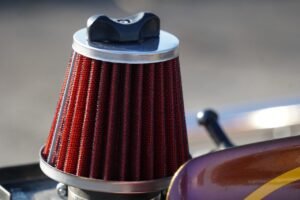
If your vehicle has a reusable oiled engine air filter (often sold as a washable, high‑flow or “K&N‑style” filter), cleaning and re‑oiling it is a straightforward maintenance task that can keep airflow and protection at their best. Done correctly, it restores the filter’s trapping ability without risking damage to the filter or downstream sensors.
What this covers and why it matters
This guide explains the tools you’ll need, the step‑by‑step cleaning and re‑oiling method recommended by manufacturers, and practical warnings (like avoiding over‑oiling and letting the filter dry completely). Following the right procedure protects your engine and the mass air flow (MAF) sensor while extending the life of a reusable filter. ([media.knfilters.com](https://media.knfilters.com/prod/media/instructions/A2054-836_inst.pdf?utm_source=openai))
What you will need
- Manufacturer cleaning kit (cleaner + oil) for your filter brand, or a washable oiled‑filter cleaner and specific filter oil. Use the product recommended by the filter maker when possible. ([knfilters.com](https://www.knfilters.com/cleaning?utm_source=openai))
- Low‑pressure garden hose (no high‑pressure washer)
- Soft brush or your hands to work cleaner into pleats
- Gloves and eye protection
- Clean, lint‑free towel and a dry place to air dry (several hours)
- Screwdriver or socket set to open the airbox
Step‑by‑step: Clean and re‑oil a reusable oiled air filter
- Remove the filter from the vehicle. Let the engine cool if necessary and note how the filter sits in the housing so you can reinstall it the same way. ([media.knfilters.com](https://media.knfilters.com/prod/media/instructions/A2054-836_inst.pdf?utm_source=openai))
- Inspect the filter. If the filter media is torn or the frame is damaged, replace the filter instead of servicing it. A washable filter must be structurally sound to be reused. ([oreillyauto.com](https://www.oreillyauto.com/how-to-hub/filters/car-and-truck/how-to-service-an-oiled-air-filter?utm_source=openai))
- Tap out loose debris. Gently tap the filter on a hard surface (dirty side down) to dislodge large chunks of dry dirt—do not beat the pleats into a different shape. ([media.knfilters.com](https://media.knfilters.com/prod/media/instructions/A2054-836_inst.pdf?utm_source=openai))
- Apply cleaner. Generously spray or pour the manufacturer’s air‑filter cleaner onto both sides of the pleats so the cleaner soaks into the media. Let it sit for about 10 minutes to loosen trapped dirt—do not let the cleaner dry on the filter. (If your filter maker gives a different soak time, follow their directions.) ([media.knfilters.com](https://media.knfilters.com/prod/media/instructions/A2054-836_inst.pdf?utm_source=openai))
- Rinse with low‑pressure water. Rinse with cool, low‑pressure water from the clean side out (push dirt away from the filter) until the water runs clear. Avoid pointing the hose directly into the pleats at close range with high pressure. ([media.knfilters.com](https://media.knfilters.com/prod/media/instructions/A2054-836_inst.pdf?utm_source=openai))
- Remove excess water and air‑dry. Shake the filter gently to remove standing water, blot around the frame with a towel, then set it somewhere to air dry completely. Many makers recommend natural drying; compressed air can be used sparingly to speed drying but avoid high heat and direct halogen/heat guns. The filter must be fully dry before oiling. ([media.knfilters.com](https://media.knfilters.com/prod/media/instructions/A2054-836_inst.pdf?utm_source=openai))
- Apply filter oil evenly. Using the manufacturer’s squeeze bottle or aerosol, apply oil evenly along the crown of each pleat (K&N recommends holding an aerosol nozzle about 3 inches away). Use the amount and pattern the filter maker specifies—do not soak the media. Allow the oil to wick for the recommended time (often ~20 minutes). If the maker provides a “light touch” pattern or measured drops, follow that. ([knfilters.com](https://www.knfilters.com/cleaning?utm_source=openai))
- Check for even coverage. The media should show a uniform, slightly darker appearance where the oil spread—no large wet spots or dripping oil. Wipe away any excess oil on the filter frame or housing before reinstalling. ([media.knfilters.com](https://media.knfilters.com/prod/media/instructions/A2054-836_inst.pdf?utm_source=openai))
- Reinstall the filter and test. Put the filter back in its housing the same way you removed it and secure the airbox. Start the engine and check for normal idle and operation. If drivability issues or a check‑engine light appear, inspect for excess oil on the MAF sensor and clean the sensor per the vehicle maker’s instructions. ([oreillyauto.com](https://www.oreillyauto.com/how-to-hub/filters/car-and-truck/how-to-service-an-oiled-air-filter?utm_source=openai))
How often should you service an oiled filter?
Service frequency depends on driving conditions and the manufacturer’s guidance. For many OEM replacement washable filters the maker lists typical service intervals like 50,000 miles under normal highway use—but dusty or off‑road driving requires more frequent checks. When in doubt, visually inspect the filter for heavy darkening and reduced pleat contrast, or follow the filter maker’s mileage guidance. ([cms.ice.be](https://cms.ice.be/files/76/instructions-k-0n-en.pdf?utm_source=openai))
Tips & Warnings
- Use the right products: Cleaners and oils are formulated for oiled cotton filters. Don’t substitute household solvents, engine oil, or other oils—use the filter maker’s cleaner and oil when possible. ([knfilters.eu](https://www.knfilters.eu/faq?utm_source=openai))
- Don’t over‑oil: Excess oil is the most common user error. Too much oil can attract debris and—on some vehicles—lead to sensor issues. Follow the maker’s oiling pattern and let oil wick before reinstalling. ([media.knfilters.com](https://media.knfilters.com/prod/media/instructions/A2054-836_inst.pdf?utm_source=openai))
- Never reinstall a wet or tacky filter: Reinstalling before the media is fully dry can pull oil and cleaner into the intake. Wait until completely dry. ([media.knfilters.com](https://media.knfilters.com/prod/media/instructions/A2054-836_inst.pdf?utm_source=openai))
- MAF sensors and controversy: Some shops have blamed oiled filters for MAF sensor problems, but the filter manufacturer counters that properly oiled filters do not cause MAF failure; the safest course is to follow oiling directions and clean the MAF if problems appear. If your vehicle is sensitive, consider a non‑oiled (dry) filter option. ([knfilters.com](https://www.knfilters.com/maf/maftestresults.htm?utm_source=openai))
- If you’re unsure: If the filter is damaged, the media is separating, or you’re uncomfortable with the procedure, replace the element or seek a local technician. Reusable filters are only safe to run if they are intact. ([oreillyauto.com](https://www.oreillyauto.com/how-to-hub/filters/car-and-truck/how-to-service-an-oiled-air-filter?utm_source=openai))
Cleaning and re‑oiling a washable oiled engine air filter is a cost‑effective way to maintain good airflow and protection for many vehicles. With the right kit, a little patience while drying, and careful oil application, you can do the job in an afternoon and get many more miles from the filter.
Quick reminder: if your filter brand is not oiled (some aftermarket dry filters exist), do not oil it—follow the maker’s instructions. Always keep the vehicle manufacturer’s recommendations in mind when servicing intake components. ([knfilters.eu](https://www.knfilters.eu/faq?utm_source=openai))
Good luck—take your time on the drying and oiling steps, and your engine will thank you.