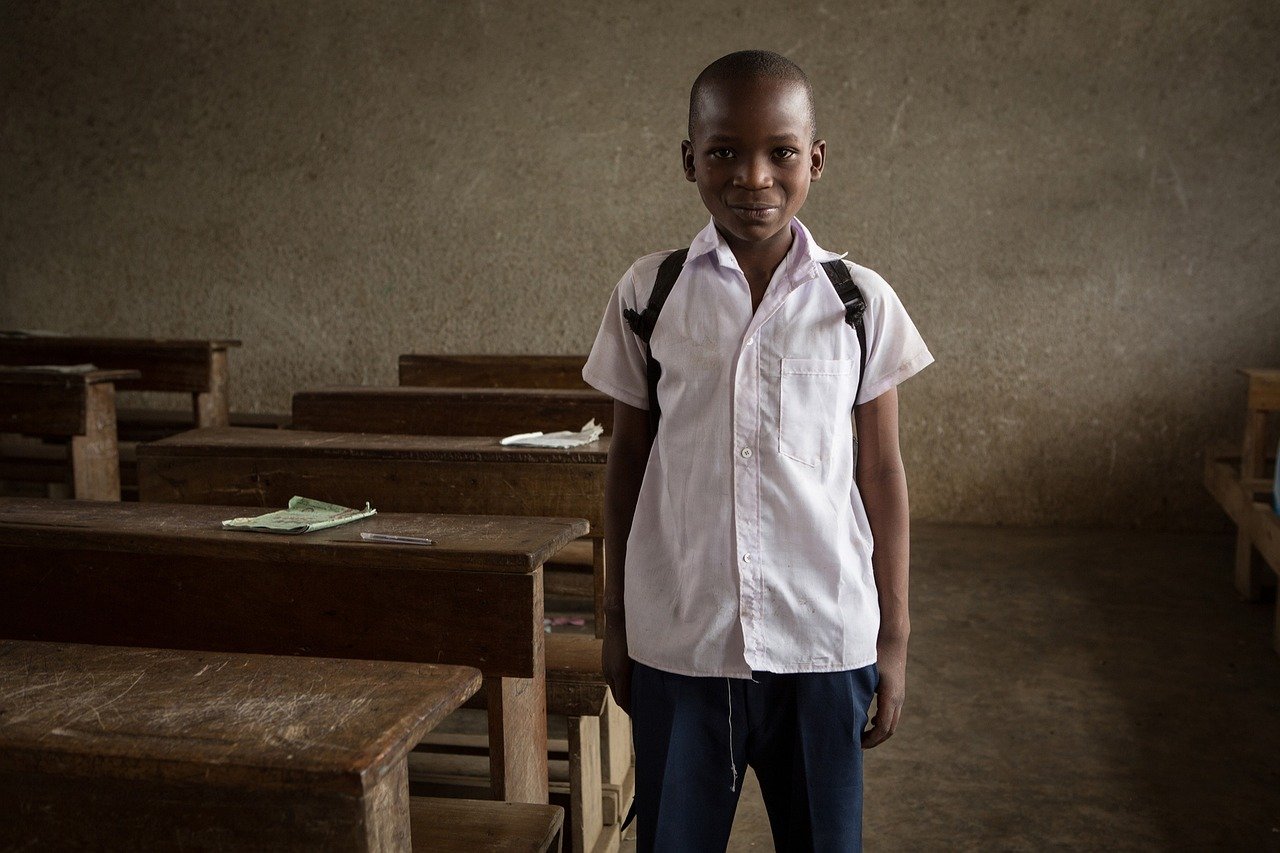
On the school day in classrooms from Nairobi to Kyiv, a quiet but powerful change is taking hold: millions more children are getting a reliable, nutritious meal at school. That shift is not the product of a single charity or short-term project. It is the result of national governments making school feeding a routine public service — supported by a worldwide collaborative effort to make school meals a durable part of education, health and food systems.
Numbers that matter
The World Food Programme’s State of School Feeding Worldwide report finds that national school-meal programmes now cover a new global total of 466 million children. This represents a jump of roughly 80 million children in the past four years — an expansion that WFP and partners describe as one of the most rapid gains in child-focused social policy in recent memory. ([docs.wfp.org](https://docs.wfp.org/api/documents/WFP-0000168639/download/))
Those headline figures reflect a broader shift in who runs and pays for school feeding. Investment in national programmes has risen to about US$84 billion per year, and nearly all of that funding—99 percent—comes from domestic budgets. Governments are increasingly viewing school meals as an investment in learning and public health rather than a short-term aid activity. ([docs.wfp.org](https://docs.wfp.org/api/documents/WFP-0000168639/download/))
What changed — and why it matters for kids
The expansion has several practical effects for children. Regular access to food at school reduces hunger-related absenteeism, supports better attention and learning, and lowers micronutrient deficiencies that can stunt development. When meals are procured locally, programmes also create predictable demand for smallholder farmers and generate local jobs — widening the benefits beyond the cafeteria. The WFP report synthesizes evidence showing school feeding’s cross-sector returns in learning, nutrition, jobs and gender equity. ([docs.wfp.org](https://docs.wfp.org/api/documents/WFP-0000168639/download/))
Growth has been fastest where the need is highest: low-income countries recorded the steeper percentage gains over the most recent two-year interval covered by the report. Some countries recorded very large scale-ups — Ethiopia, Kenya, Madagascar and Rwanda expanded coverage between 1.5 and 6 times in the past two years — and several nations introduced national programmes for the first time, including Canada, Indonesia and Ukraine. ([docs.wfp.org](https://docs.wfp.org/api/documents/WFP-0000168639/download/))
From pandemic response to long-term policy
The School Meals Coalition — an intergovernmental network that grew out of the pandemic-era response to disrupted schooling — has been central to the momentum. By late 2024, the Coalition counted more than one hundred member governments and scores of partner organizations; at the Coalition’s second global summit in Fortaleza, Brazil, held in September 2025, WFP reported pledges from more than 40 governments to expand or strengthen national programmes. Those political commitments were matched by new data tools and research networks meant to help countries design cost-effective, climate-sensitive menus and financing plans. ([docs.wfp.org](https://docs.wfp.org/api/documents/WFP-0000168639/download/))
Independent researchers have begun to document the returns that policymakers are pointing to — improved school attendance, better nutrition markers, and economic benefits where local procurement is used — giving countries stronger evidence to justify permanent budget lines for school feeding. Public-health and education agencies are also emphasizing quality: cooks, clean water, menus that meet nutritional needs and curricula that teach healthy eating. ([lshtm.ac.uk](https://www.lshtm.ac.uk/newsevents/news/2025/research-consortium-showcases-power-evidence-school-meals-2nd-global-summit?utm_source=openai))
Big gains, unfinished business
Despite the expansion, gaps remain. Coverage in low-income countries is still far below high-income peers: the report estimates that primary school coverage in low-income settings is only about 27 percent, compared with roughly 80 percent in high-income countries. That means many of the children who would benefit most remain unreached, leaving a clear road map for future investments and international cooperation. ([docs.wfp.org](https://docs.wfp.org/api/documents/WFP-0000168639/download/))
Funding patterns underscore both progress and fragility. While domestic financing has scaled up, reductions or shifts in international aid could slow momentum in the poorest and most fragile contexts. The WFP and partners are promoting blended approaches — domestic budgets, innovative financing and targeted donor support — to close persistent gaps. ([docs.wfp.org](https://docs.wfp.org/api/documents/WFP-0000168639/download/))
Why this is good news for kids — and what comes next
At its simplest, scaling school meals turns a basic need into an opportunity. For a child who previously missed classes because there was nothing to eat, a daily school meal can mean the difference between dropping out and finishing school; for communities it can mean steady customers for farmers and jobs for cooks and suppliers. The recent global gains show that when countries prioritize the link between education, health and local food systems, the benefits compound.
That does not mean the job is done. Delivering nutritious food at scale requires investment in kitchens, supply chains, water and sanitation, teacher training and data systems — and, in many places, a stronger financing architecture. The international conversation at global summits, combined with national commitment, creates the conditions to tackle those operational details.
For children and families around the world, the shift from emergency feeding to government-led, permanent programmes is real progress: it signals that feeding the next generation is being treated less as an occasional fix and more as an essential public service. If countries sustain the political will and the budgets, the growing evidence suggests school meals can continue to be a practical and powerful way to expand opportunity, improve health and strengthen communities — one plate at a time. ([docs.wfp.org](https://docs.wfp.org/api/documents/WFP-0000168639/download/))
Learn more
- State of School Feeding Worldwide (WFP executive summary and full report). ([docs.wfp.org](https://docs.wfp.org/api/documents/WFP-0000168639/download/))
- Coverage, evidence and policy highlights from the School Meals Coalition and partner research networks. ([wfp.org](https://www.wfp.org/news/wfp-welcomes-pledges-over-40-governments-expand-national-school-meals-programmes))