This guide shows how to remove and install a 12‑volt automotive (lead‑acid or AGM) battery safely, pick the correct replacement, and recycle the old battery. Replacing a car battery is a common DIY job for most gasoline‑ and diesel‑powered cars; it usually takes 20–45 minutes and can save the cost of a shop visit if you follow a few safety rules. ([cluballiance.aaa.com](https://cluballiance.aaa.com/the-extra-mile/advice/car/a-guide-to-removing-your-car-battery))
What you will need
- Replacement battery that matches your vehicle’s required group size, type and minimum CCA (cold‑cranking amps). ([autozone.com](https://www.autozone.com/diy/battery/battery-size-chart-guide?msockid=3ec09fcb9cbe6f060a11892c9d636e1e&utm_source=openai))
- Wrenches or a socket set (typically 10 mm or 8 mm, check your vehicle), safety glasses and acid‑resistant gloves. ([cluballiance.aaa.com](https://cluballiance.aaa.com/the-extra-mile/advice/car/a-guide-to-removing-your-car-battery))
- Battery terminal brush or wire brush, baking‑soda and water (for neutralizing corrosion), rags, and a small container to hold fasteners. ([cluballiance.aaa.com](https://cluballiance.aaa.com/the-extra-mile/advice/car/a-guide-to-removing-your-car-battery))
- Battery carrier or two hands: batteries are heavy (20–50 lb). Plan how you’ll lift it straight out without twisting. ([cluballiance.aaa.com](https://cluballiance.aaa.com/the-extra-mile/advice/car/a-guide-to-removing-your-car-battery))
Quick safety notes
- Work in a well‑ventilated area; keep sparks and flames away. Lead‑acid batteries contain sulfuric acid and may emit hydrogen gas. ([epa.gov](https://www.epa.gov/recycle/used-household-batteries))
- Disconnect the negative (−) terminal first when removing a battery and reconnect the positive (+) terminal first when installing. This order reduces the risk of a short circuit and sparks. ([cluballiance.aaa.com](https://cluballiance.aaa.com/the-extra-mile/advice/car/a-guide-to-removing-your-car-battery))
- If your vehicle has a battery located under a seat, in the trunk, or uses an AGM or special battery for start‑stop systems, consult the owner’s manual before you begin — some cars require an electronic “battery registration” after replacement. ([autel.com](https://www.autel.com/u/cms/www/202007/03034716k726.pdf))
Step‑by‑step: Replace the battery
- Park on level ground, set the parking brake, switch the ignition and all accessories off, and remove the key. Open the hood (or access panel). Confirm where the battery is located using the owner’s manual if needed. ([cluballiance.aaa.com](https://cluballiance.aaa.com/the-extra-mile/advice/car/a-guide-to-removing-your-car-battery))
- Put on safety glasses and gloves. If the battery is hot, let it cool before touching it. Keep metal tools from bridging the two battery posts. ([epa.gov](https://www.epa.gov/recycle/used-household-batteries))
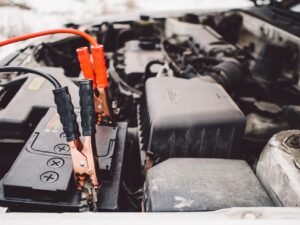
- Locate and identify terminals: positive is marked + and often has a red cover or cable; negative is marked − and typically uses a black cable. If your vehicle uses remote terminals or an insulated cover, follow those layout cues. ([cluballiance.aaa.com](https://cluballiance.aaa.com/the-extra-mile/advice/car/a-guide-to-removing-your-car-battery))
- Loosen the nut on the negative (−) cable clamp and remove the cable from the battery post. Tuck the cable away where it cannot fall back onto the battery or any metal. Removing negative first breaks the circuit and lowers short risk. ([cluballiance.aaa.com](https://cluballiance.aaa.com/the-extra-mile/advice/car/a-guide-to-removing-your-car-battery))
- Loosen and remove the positive (+) cable clamp and move it out of the way. If either clamp is corroded, avoid scraping with bare hands; use a brush and baking‑soda solution to neutralize corrosion before removing stubborn clamps. ([cluballiance.aaa.com](https://cluballiance.aaa.com/the-extra-mile/advice/car/a-guide-to-removing-your-car-battery))
- Remove any battery hold‑down bracket or strap. Keep all fasteners in a small container. Lift the battery straight out using both hands or a battery carrier — do not tilt or drop it. Place it on a non‑conductive surface (cardboard or plastic). ([cluballiance.aaa.com](https://cluballiance.aaa.com/the-extra-mile/advice/car/a-guide-to-removing-your-car-battery))
- Inspect and clean the tray, cable ends and clamps. Use a mix of baking soda and water to neutralize acid residue, then dry. Lightly coat clean terminals with petroleum jelly or an approved terminal protectant to slow future corrosion. ([cluballiance.aaa.com](https://cluballiance.aaa.com/the-extra-mile/advice/car/a-guide-to-removing-your-car-battery))
- Compare the new battery to the old one: the physical size and terminal layout (BCI group), the type (flooded vs AGM), and the CCA/RC ratings should meet or exceed vehicle specifications. If in doubt, use the owner’s manual or an auto parts advisor to confirm fit. ([autozone.com](https://www.autozone.com/diy/battery/battery-size-chart-guide?msockid=3ec09fcb9cbe6f060a11892c9d636e1e&utm_source=openai))
- Place the new battery in the tray with the same orientation as the old one. Reinstall the hold‑down and tighten only until snug — avoid over‑tightening (battery cases and posts can crack if clamped too hard). ([tractorparts.com](https://www.tractorparts.com/PDFs/AC_H3_HD-3_TRACTOR_SVC.pdf?utm_source=openai))
- Reconnect the battery cables: attach the positive (+) cable first and tighten until the clamp is firm and cannot be twisted by hand, then attach the negative (−) cable last. Make sure clamps sit fully down on the posts and any protective covers are replaced. ([autozone.com](https://www.autozone.com/diy/battery/guide-to-reconnect-a-car-battery))
- Start the car to confirm normal operation. Check that dash lights go out and accessories work. Note that radio presets, clock and some learned settings may need resetting. If your vehicle displays battery/BMS warnings after replacement, it may need a registration/reset by a dealer or a shop with the right scan tool. ([cluballiance.aaa.com](https://cluballiance.aaa.com/the-extra-mile/advice/car/a-guide-to-removing-your-car-battery))
- Take the old battery to a battery retailer or a household hazardous waste recycling program for proper disposal; do not put it in the trash. Many retailers accept old batteries and will refund a core charge if you bought the new battery there. ([epa.gov](https://www.epa.gov/recycle/used-household-batteries))
Tips & things to know
- If your car uses a start‑stop system or the factory battery is AGM/EFB, match the chemistry — swapping to a different battery type can cause charging problems or require dealer registration. ([autel.com](https://www.autel.com/u/cms/www/202007/03034716k726.pdf))
- When tightening clamps, aim for “snug” — a clamp that can’t be rotated by hand but avoid using excessive force that can crack posts or strip threads. Use a torque spec from the manufacturer if listed in the service manual. ([tractorparts.com](https://www.tractorparts.com/PDFs/AC_H3_HD-3_TRACTOR_SVC.pdf?utm_source=openai))
- If the battery is very old, swollen, or leaking, do not handle it unprotected — take it to a parts retailer and ask staff to remove and recycle it. Damaged batteries can be hazardous. ([epa.gov](https://www.epa.gov/recycle/used-household-batteries))
- If your vehicle warns about charging or battery management after replacement, a shop with a dealer‑level scanner or some aftermarket scan tools can perform a battery registration/reset so the car’s charging system treats the new battery correctly. ([autel.com](https://www.autel.com/u/cms/www/202007/03034716k726.pdf))
Common problems and when to get help
If you can’t remove a corroded clamp, the hold‑down is rusted in place, the battery is unusually heavy or hard to access, or dash warnings persist after installation, call a professional. If you’re unsure whether your vehicle requires battery registration, check the owner’s manual or ask the dealer — registering the new battery prevents charging mistakes on many modern cars. ([cluballiance.aaa.com](https://cluballiance.aaa.com/the-extra-mile/advice/car/a-guide-to-removing-your-car-battery))
Replacing a 12‑volt car battery is usually straightforward if you follow the safe order, use the right tools, and recycle the old battery properly. Take your time, and when in doubt ask a parts counter or technician for guidance — many stores will install a battery purchase for free. Good luck — and enjoy the peace of mind of a fresh, reliable start. ([cluballiance.aaa.com](https://cluballiance.aaa.com/the-extra-mile/advice/car/a-guide-to-removing-your-car-battery))