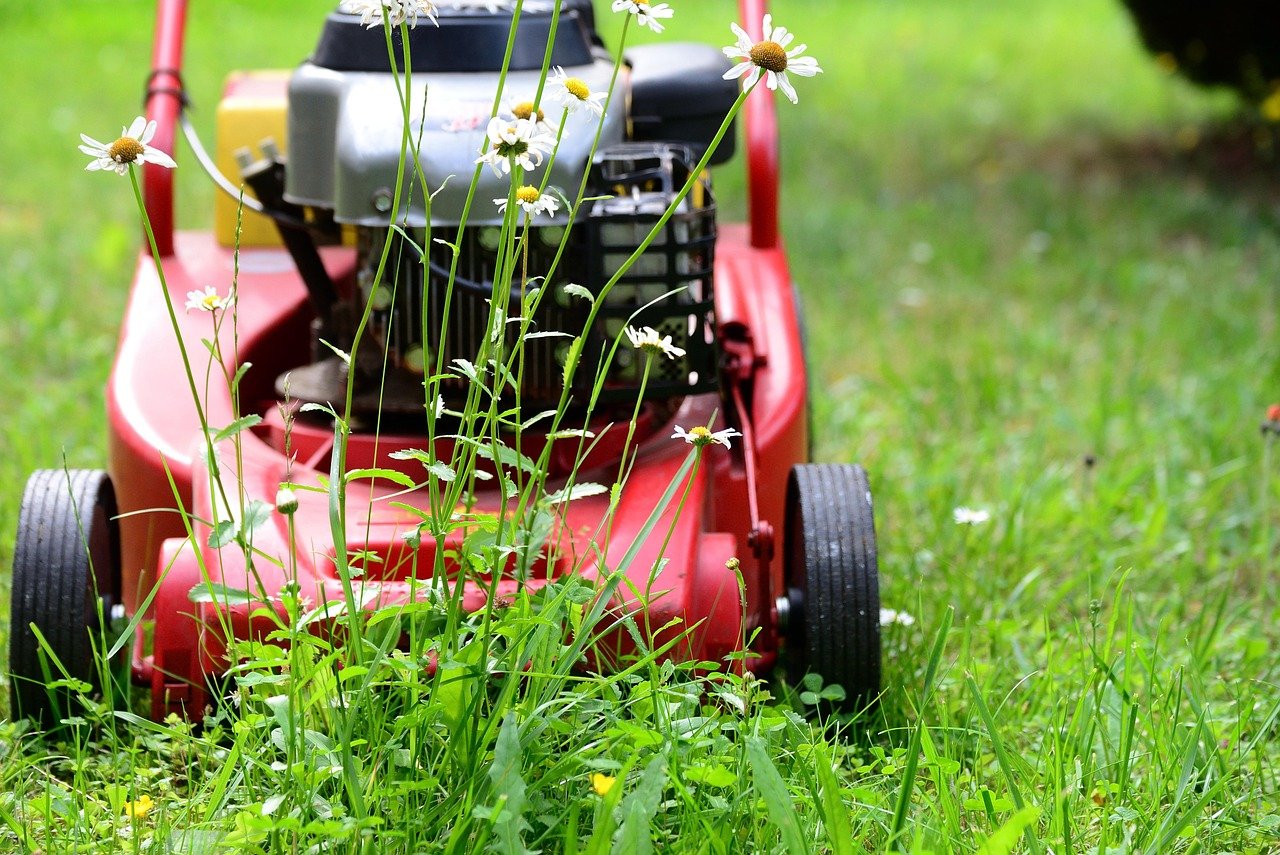
Across parks, campuses and suburban front yards, a tidy green carpet is beginning to look a little less tidy. No Mow May — the Plantlife campaign that asks gardeners to put away their lawnmowers for the month of May — has grown from a U.K. outreach idea into a de‑facto entry point for pollinator conservation in towns and cities worldwide. The result: more flowers where people live, more chances for early‑season bees to find food, and a practical gateway into larger changes in how we manage urban green space.
Where the movement came from — and how far it’s spread
Plantlife, the British wild‑plant charity, launched No Mow May in 2018 as a way to give spring wildflowers space to bloom and to prompt councils and land managers to try a hay‑meadow style of management on small, manageable patches of land. The message was simple and viral: leave the mower in the shed for a month and let the flowers feed hungry pollinators.
That simplicity has helped the idea travel. County, city and university grounds teams in the U.K. have run pledge campaigns and left road verges and sites unmown. In the United States groups such as Bee City USA have promoted the idea and encouraged communities to adapt the timing and scope for local conditions. Local pilots and pledges now range from a few private yards to hundreds of hectares of public greenspace.
Concrete local results — people and places acting
Local government monitoring shows the scale that even small, local pledges can add up to. In Kent, England, the county’s 2024 No Mow May pledge effort reported hundreds of sites joining in and estimated more than 140,000 m² of grass set aside for meadows and wildflowers — an example of how many small patches can become a regional patchwork of pollinator habitat.
In North America the idea gained attention after community science projects and civic action in places such as Appleton, Wisconsin, where hundreds of property owners signed up in 2020. That early adoption helped seed wider interest among other towns, universities and conservation networks.
What the science says — promise, but with nuance
Ecologists and restoration scientists see mowing practices as a straightforward way to increase floral resources in urban areas. Recent reviews and meta‑analyses of mowing regimes and lawn management conclude that delayed mowing, raised cutting heights and mosaic mowing (leaving some areas long while keeping others short) tend to increase flower abundance and insect diversity compared with intensive, frequent mowing.
However, the scientific record is not a single, unambiguous verdict. Some individual studies that received heavy public attention were later retracted after the authors and journal found problems with data handling — a reminder that community science and academic research both change and self‑correct. At the same time, broader reviews show a consistent pattern: reduced mowing and deliberate planting of flowering forbs can boost pollinator forage, but outcomes vary by region, lawn composition, soil fertility and management details.
How managers are turning a one‑month pledge into long‑term habitat
Land managers and conservation groups now frame No Mow May as a first step rather than an end point. Best practices that have emerged from pilots and reviews include:
- Use a ‘mow‑saic’ approach: keep tidy edges for safety and neighbours, leave patches or strips unmown for refuges, and mow other parts less often.
- Raise mower height and mow less often (every two to three weeks rather than weekly) to allow low‑growing flowers such as clover, violets and dandelions to bloom.
- Combine reduced mowing with deliberate plantings of early‑blooming bulbs and native forbs to extend the season of nectar and pollen.
- Talk to neighbours and check local bylaws; in places with lawn ordinances, ask councils for temporary waivers or craft long‑term policy changes that allow pollinator patches.
These measures let managers capture the biodiversity benefits while limiting downsides such as weed pressure or accessibility problems in high‑use sites.
Why No Mow May matters beyond a single month
The core impact of the campaign is social as much as ecological: it gives neighbors, grounds teams and local leaders permission to try a different aesthetic — to value flowers over uniform turf for the public good. For many participants, a single No Mow May pledge becomes a doorway to larger changes: planting native borders, creating mini‑meadows, or persuading parks departments and schools to adopt pollinator‑friendly mowing calendars.
That cumulative change — hundreds of small meadows across towns and streets — is the conservation win. When councils, highways teams and campus estates set aside verges or corners to grow, those ripples add habitat, floral diversity and corridors for pollinators across the urban matrix.
Practical takeaway
If you want to try No Mow May where you live, pick a small, visible area to leave unmown, keep neat edges along footpaths, and consider adding a small sign explaining why you’re letting the grass grow. If local laws or HOAs block you, gather neighbors and local experts (extension services or pollinator groups) to request a pilot area — evidence from other jurisdictions shows councils often respond when residents present simple, low‑cost plans.
No single practice will ‘save the bees,’ but No Mow May has become a practical, low‑barrier action that gets people outside, talking about biodiversity, and trying approaches that — when paired with native planting and reduced pesticide use — help pollinators thrive.