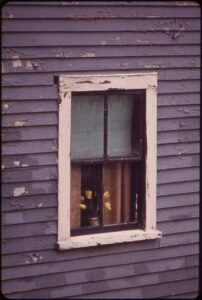
A window that rattles, sticks or leaks air can make a room uncomfortable. But those symptoms do not automatically mean the whole window has reached the end of its life. In many older wood windows, the trouble comes from worn hardware, failing glazing putty or a sash that needs adjustment—parts that may be repairable.
That distinction matters in older homes, where original windows can be part of the building’s character. The National Park Service’s guidance on historic wooden windows recommends assessing their condition before deciding to replace them. A repair can preserve original materials; replacement may make sense when deterioration is extensive or the window cannot be made to work safely and reliably.
Start with an inspection
On a dry day, look at the window from inside and outside, if you can do so safely. Check the frame and sill for soft, crumbling or visibly damaged wood. Look for loose or missing glazing putty around the glass, cracked panes, and hardware that is loose or broken. Open and close the sash gently. Notice whether it moves freely, stays in position and meets the frame evenly when shut.
These clues help identify the likely problem. A sash that drops or will not stay open may have a broken counterbalance or sash cord. A small gap at a meeting rail may point to poor alignment or worn weatherstripping. Loose glazing putty can leave the glass less secure and expose the wood around it to moisture. Fixing one issue may improve operation without disturbing the rest of the window.
Do not force a stuck sash. Paint, swelling or damaged hardware can be responsible, and force can break glass or damage the frame. If the wood is badly deteriorated, a pane is unstable, or the repair involves high or hard-to-reach windows, get an experienced professional to assess it.
Be cautious with old paint
Before scraping, sanding or removing painted material, consider the home’s age. Paint in homes built before 1978 may contain lead. Disturbing it can create hazardous dust. Avoid dry sanding or using a heat gun on suspect paint, and consult the Environmental Protection Agency’s lead-safe renovation guidance before starting work. For a larger or uncertain repair, ask about a contractor trained in lead-safe practices.
Consider a storm window
If the original window is sound but the room still feels drafty, a properly fitted storm window may be an alternative to replacement. The U.S. Department of Energy explains that storm windows can improve comfort and reduce air leakage; the outcome depends on the existing window, the storm unit and how well it is installed. Interior and exterior options exist, and the right choice depends on the building and the window’s condition.
A storm window is not a cure for rotten wood, broken glass or a sash that cannot close. Address those problems first. Also make sure a new storm unit will not trap moisture against the original window; follow the manufacturer’s installation instructions and seek advice for historic or unusual openings.
Choose the smallest sound repair
After inspection, match the repair to the defect: restore working hardware, replace failed weatherstripping, or have loose glazing and damaged wood properly repaired. Then check that the window opens, closes and locks as intended. If it remains uncomfortable, compare the cost and performance of a storm window with a full replacement.
The practical first step is not buying a new window. It is finding out what has failed. A short, careful inspection can help preserve a serviceable original window, identify a repair that is genuinely needed, and make the next decision more informed.