A bird sighting in a community science app, a pressed plant in a university herbarium and an insect collected decades ago may seem to have little in common. But each can document where a species was found. The Global Biodiversity Information Facility, better known as GBIF, gives records like these a shared online doorway.
GBIF is not a single catalogue assembled by one team, nor a complete census of life. It is an international network and data infrastructure: institutions and projects publish biodiversity information, and people around the world can search and use it. In that sense, it works like a vast, continually expanding directory of observations—one that helps make scattered evidence findable.
A directory of encounters, not just names
At the heart of GBIF are occurrence records: information documenting that an organism was observed, collected or otherwise recorded at a particular place and time. A record may include a scientific name, a date, geographic coordinates, the source institution and details about how the observation was made. The records vary in age and detail because they come from many different collections and projects.
That distinction matters. A directory of species names can help answer what an organism is called. An occurrence directory can help investigate where and when it has been recorded. Researchers can use such records to explore questions about species ranges, biodiversity patterns and changes in observations over time. Conservation planners may also consult them when considering where a species has been reported.
The information does not appear from nowhere. GBIF connects data publishers—including natural history collections, government agencies, research organizations and citizen science initiatives—with people searching the network. Participating institutions retain responsibility for the material they publish. GBIF provides shared infrastructure so data from different sources can be discovered and brought together.
Making records easier to share
For a global directory to be useful, its entries need enough structure to be understood beyond the institution that created them. GBIF supports common ways of organizing and publishing biodiversity data. One widely used standard is Darwin Core, a set of terms for describing information such as organisms, locations, dates and records of occurrence.
Tools such as the GBIF Integrated Publishing Toolkit help organizations prepare and publish datasets through the network. A technical paper describing the toolkit explains its role in helping institutions make biodiversity data available online. The underlying idea is practical: a museum or research project should not have to build a bespoke global search service before its records can be useful to people elsewhere.
Once data are published, users can search the GBIF portal and access records for analysis. Data downloads can be cited, helping researchers identify the datasets they used and allowing others to trace the material behind an analysis. The result is less like a finished encyclopedia and more like a shared index to evidence held across many places.
What a global search can—and cannot—tell you
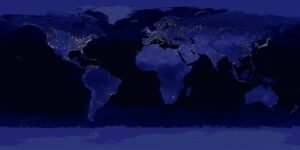
A map of records can reveal striking patterns, but it is not a perfect map of nature. Some places have been surveyed intensively; others have few records. Popular or easily identified organisms may be reported more often than obscure ones. Historical collections may have precise dates but imprecise locations, while newer observations may include coordinates but need expert review.
For that reason, a blank patch on a GBIF map does not prove that a species is absent there. It may mean that nobody has recorded it, that records have not been digitized, or that relevant data have not been published through the network. Likewise, a record is evidence of an observation, not automatically a guarantee that every detail is error-free. Researchers need to examine data quality, coverage and methods before drawing conclusions.
Those limitations are not a reason to dismiss the directory. They are part of what makes transparent, reusable records valuable. When researchers can see where data came from and assess how they were collected, they can account for gaps and biases rather than treating a map as a complete picture.
A shared starting point for biodiversity research
GBIF was established in 2001 as an international initiative to improve access to biodiversity data. Its enduring contribution is not that it has gathered every observation of every organism. Rather, it has built a way for many independent contributors to make records discoverable through one network.
That shared starting point matters in a field where evidence is dispersed across specimen drawers, field notebooks, databases and public observation projects. A researcher can begin with a broad search, then investigate the contributing sources and decide what is reliable for a particular question. The directory does not replace fieldwork, collection expertise or careful analysis; it helps people find evidence that might otherwise remain difficult to locate.
In an age when environmental questions cross national borders, the value of a global directory is straightforward: it makes more of the world’s recorded biodiversity visible to people who need to study it. The records remain varied, incomplete and dependent on the work of their contributors. But by connecting them, GBIF turns a dispersed archive of encounters with life into a resource that can be searched, checked and reused.