Look at a glass frog from below and you may be able to see its heart, digestive organs and other parts of its body through its translucent skin. But there is one conspicuous exception: red blood. When it is flowing through the body, it can make the frog easier to see against the leaves where it rests.
A study of the northern glass frog, Hyalinobatrachium fleischmanni, uncovered an unusual way around that problem. When the frog is inactive, it can move most of its red blood cells out of circulation and store them in its liver. The discovery offers a rare look at how an animal can change its appearance without changing its skin color.
A camouflage problem with a red solution
Glass frogs live in Central and South American forests. Many spend the day resting on leaves, often with their pale, translucent undersides facing downward. Their green backs blend into foliage, while their see-through undersides can make their outlines less obvious against a leaf.
Transparency is not the same as invisibility. The frog’s bones and organs remain visible, and its appearance depends on the background and the way light passes through its body. Blood presents a particular challenge: red blood cells absorb light, creating visible patches in an otherwise translucent animal.
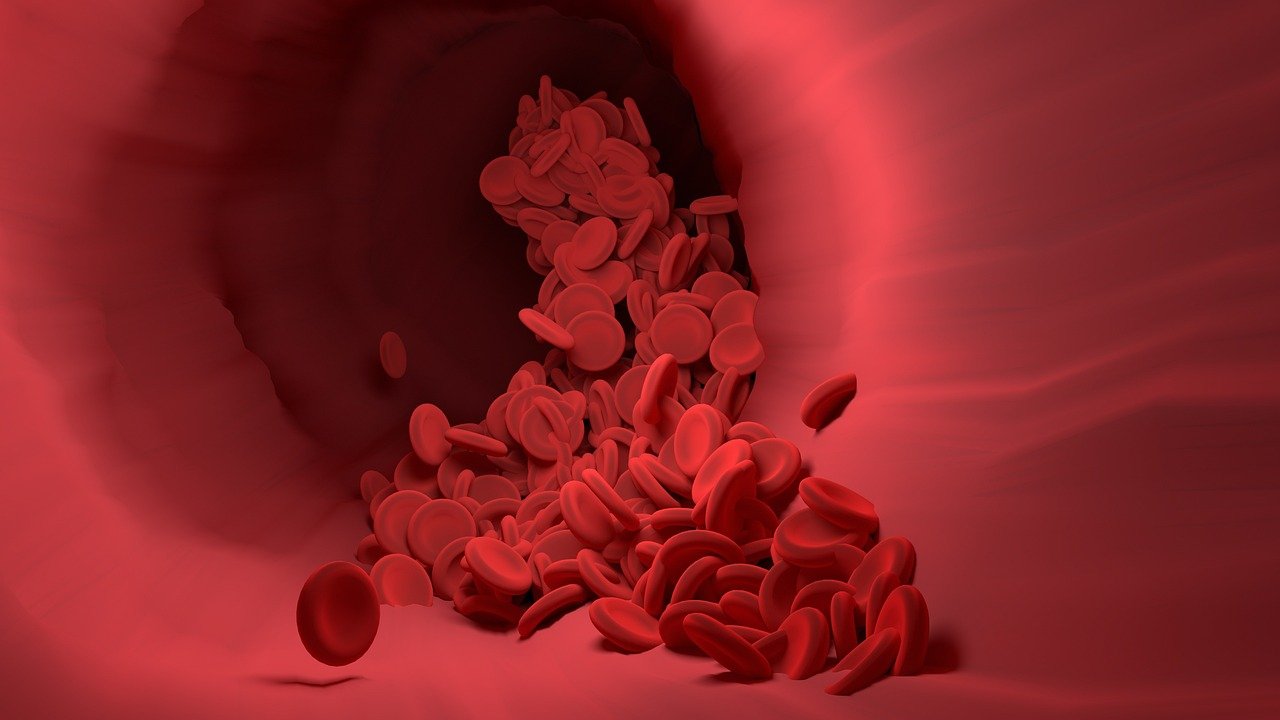
In research published in Science in 2022, scientists investigated how the frogs look more transparent while resting. They used imaging methods that let them track blood flow and red blood cells without relying only on visible light. The researchers found that, during periods of rest, the frogs could withdraw nearly 90 percent of their red blood cells from circulation and concentrate them in the liver.
The liver changes size as the cells gather
The liver is not just a passive backdrop to the trick. As red blood cells accumulate there, it expands. When the cells return to circulation, the liver becomes smaller again. The frog’s body is therefore shifting blood between two states: a circulating supply for normal activity and a concentrated store that makes the animal less visibly red while it rests.
That change matters because the researchers were looking at a living animal, not a specimen whose transparency could be explained by missing pigment or by the way it had been preserved. Their imaging let them connect a change in the frog’s appearance to a change in where its blood cells were located.
The result is striking partly because moving so many red blood cells out of circulation raises an obvious biological question. In other animals, dense concentrations of blood cells can be associated with problems such as clotting. The study documented how the frogs store the cells, but it did not settle every question about the physiological mechanisms that make the process safe. Understanding that is a subject for further research—not a reason to assume the frogs use the same safeguards as other animals.
Rest is when the effect matters
The researchers linked the blood-cell storage to the frogs’ inactive periods. That fits the camouflage explanation: a frog that is sitting still on a leaf has more reason to reduce the contrast created by circulating blood than one that is moving through the forest.
When the frogs become active, the stored cells can re-enter circulation. This makes the process reversible rather than a permanent alteration to the animal’s body. It is a physiological adjustment that tracks the frog’s daily behavior.
Still, the study does not mean that transparency alone protects glass frogs from predators, or that researchers have measured how much the blood-storage behavior improves survival in the wild. Camouflage works in context: the leaf, the light, the frog’s posture and the eyesight of a potential predator all matter. The discovery explains an important part of the animal’s appearance, not every part of its ecology.
What the discovery could—and could not—teach us
The finding is also a reminder that familiar biological systems can behave in unexpected ways. Red blood cells carry oxygen around the body; in this frog, they can also be temporarily gathered in an organ as part of a change in appearance. That does not make the process a ready-made model for human medicine. The study focused on a specific species and a specific biological behavior, and any medical relevance would require separate investigation.
For researchers, the next questions include how the frogs move and store so many cells, how they avoid harmful consequences, and whether related glass frog species use similar strategies. The work also points to the value of observing animals while they are alive and behaving naturally: a change that might look like a simple feature of translucent skin turns out to involve an active shift inside the body.
Glass frogs do not vanish. Their bones and organs can still be seen, and transparency is only one element of their camouflage. But during rest, by gathering most of their red blood cells in the liver, these small amphibians can make one of their most visible features much less prominent. It is a quietly remarkable adaptation—and a vivid example of how much can be hidden inside an animal that looks see-through.