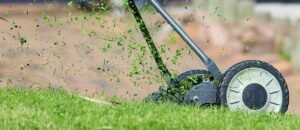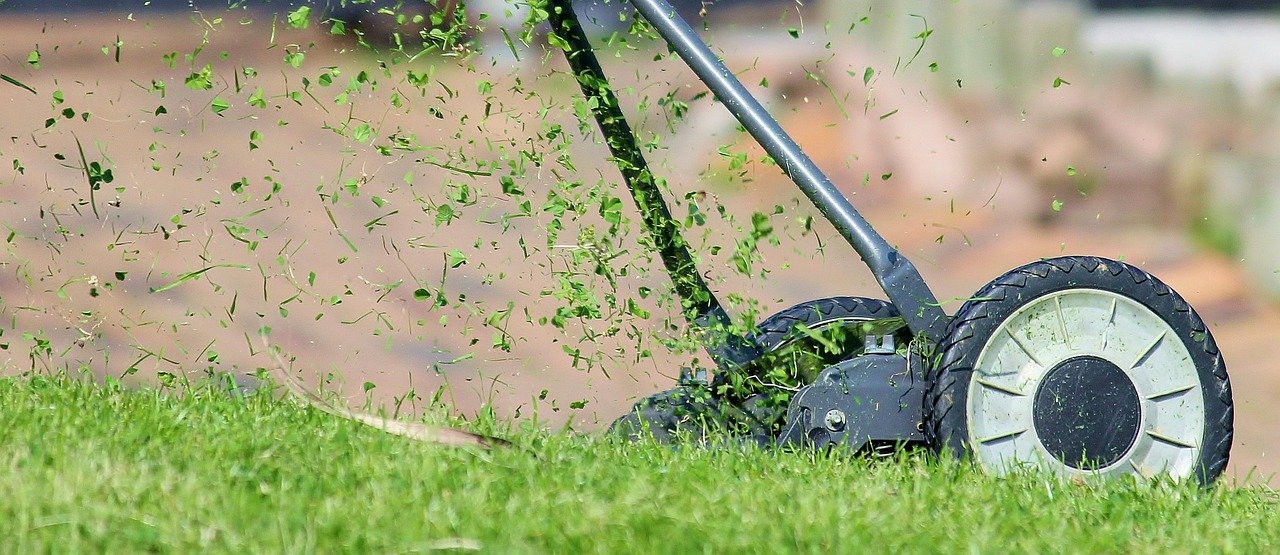
After mowing, a striped lawn covered in clippings can look like a job left unfinished. But when the pieces are short and spread out, leaving them in place is often a sensible lawn-care choice. The practice, called grasscycling, lets clippings decompose on the lawn instead of sending them to a compost pile or yard-waste collection.
Grasscycling is not a special treatment or a substitute for good mowing. It is a way to handle the material a mower has already cut. Done under the right conditions, it can return some nutrients to the lawn and save the time and effort of collecting the clippings.
What happens to clippings left on the lawn?
Fresh grass clippings are made largely of water and break down relatively quickly when they are small and scattered. As they decompose, nutrients in the plant material become available to the soil and grass. University of Maryland Extension describes grasscycling as a way to recycle nutrients, while University of Minnesota Extension includes leaving clippings among its recommended mowing practices.
Clippings are not the same thing as thatch. Thatch is a layer of slowly decomposing stems, roots and other tough plant material that builds up between the soil surface and green grass. The soft leaf blades in ordinary clippings usually break down much faster. A thick, springy layer may have other causes, so removing every clipping is not a reliable solution to a thatch problem.
Grasscycling does not provide every nutrient a lawn needs, and it does not mean fertilizer is never appropriate. Soil conditions, grass species, climate and how intensively a lawn is used all affect what care it needs. But returning clippings can be one small part of a lower-waste routine.
When leaving clippings works best
The key is to mow regularly enough that the cut pieces remain short. As a general mowing rule, avoid removing more than about one-third of the grass blade at a time. If the lawn has grown much taller than usual, cut it back gradually over multiple mowings rather than taking off a large amount in one pass. That produces less debris at once and is easier on the grass.
Wait until the grass is dry enough to cut cleanly. Wet or very long grass is more likely to fall in heavy clumps instead of spreading evenly. Those clumps can look untidy, shade the grass below them and take longer to break down. If the mower leaves visible piles, rake or redistribute them rather than assuming they will disappear promptly.
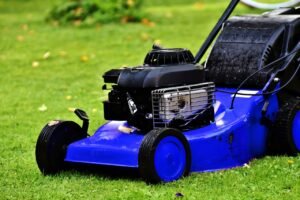
A mower with a mulching setting or blade is designed to cut clippings into smaller pieces and circulate them beneath the deck. A standard mower can still leave usable clippings if its blade is sharp, the grass is not overly long, and the pieces are spread thinly. Check the mower manual before changing blades or settings.
Times to collect the cut grass
Grasscycling is optional, not a rule. Collect clippings when the mower leaves heavy windrows or when a very long lawn produces more material than can be spread in a thin layer. You might also bag them if you need a particularly tidy finish or are mowing an area where clippings could be tracked indoors or onto a paved surface.
Consider local conditions, too. If the lawn has an active disease problem, ask a local university extension or lawn-care authority whether clippings should be collected; advice can depend on the disease and the situation. If a lawn-care product has been applied, follow its label instructions, including any directions about mowing and handling clippings.
Collected grass need not automatically become waste. Where local rules allow, it can be added to a compost pile, mixed with drier materials such as leaves, or handled through a municipal yard-waste program. Fresh clippings are wet, so a large, compact mass can become smelly. Mixing them with dry material and keeping the pile aerated helps avoid a soggy heap.
A simple grasscycling routine
- Check the lawn before mowing. If the grass is wet or has grown unusually long, wait if practical or plan a gradual cut.
- Use a sharp blade. A clean cut and appropriately configured mower help produce smaller, more evenly spread pieces.
- Mow often enough to limit the amount removed. Use the one-third guideline as a practical starting point, adjusting for local grass and growing conditions.
- Look behind the mower. If clippings are lying in piles, spread them out or collect the excess.
- Follow local advice. Grass species, rainfall, soil and lawn problems differ by region; extension guidance can help tailor the routine.
Grasscycling is a modest change, not a lawn makeover. The lawn may look a little less polished immediately after mowing, but short, dispersed clippings generally disappear as they break down. For many home lawns, leaving them in place is a practical way to return plant material to the soil and skip an unnecessary cleanup step.