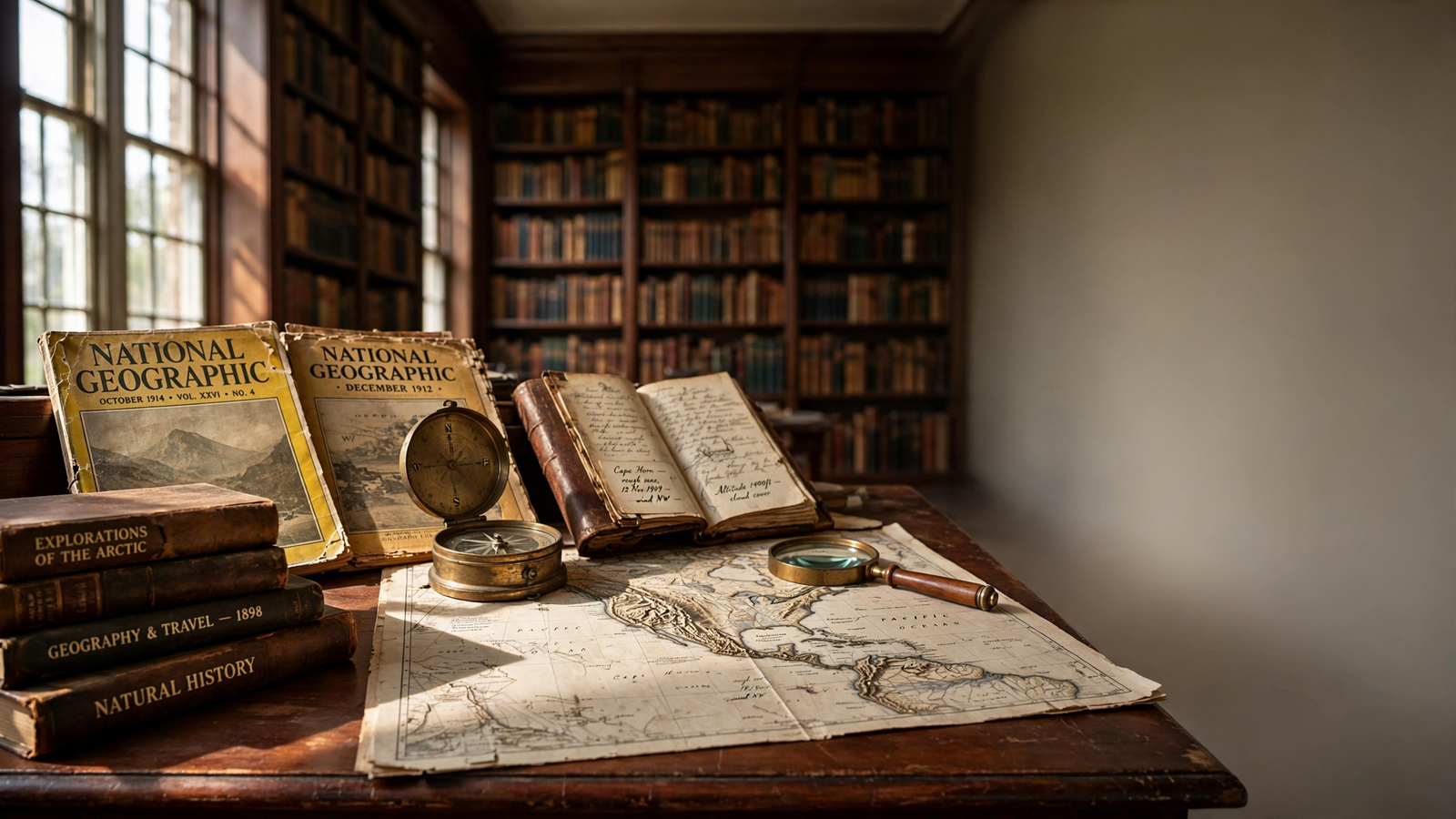
Before National Geographic became a yellow-bordered object on coffee tables around the world, it was a small Washington, D.C., experiment in public education.
On January 13, 1888, 33 men gathered at the Cosmos Club with an ambitious idea: to create an institution devoted to increasing and spreading geographical knowledge. They were not launching a mass-market magazine. They were forming a learned society at a time when much of the planet was still being measured, mapped, described, and debated.
Nine months later, the National Geographic Magazine published its first issue. It was serious, text-heavy, and intended for readers who already considered geography an intellectual pursuit. The publication would eventually become famous for lavish photography, vivid maps, scientific reporting, and stories from places many readers would never visit. But its first achievement was more basic: it helped persuade Americans that geography was not simply a school subject. It was a way of understanding the entire human world.
From a scientific society to a public magazine
The National Geographic Society was created during an era of expanding American interest in science, exploration, engineering, and natural history. Railroads and steamships were shrinking travel times. Museums were building collections. Universities were professionalizing research. Newspapers were reporting expeditions and discoveries to a growing literate public.
The society’s founders included scientists, educators, lawyers, military officers, and government figures. Gardiner Greene Hubbard, a lawyer and patron of science who would become the society’s first president, helped give the organization a durable institutional base. The group’s early mission was broad: support geographic research and make its results available to the public.
The magazine initially reflected the tone of a learned journal. It carried articles about physical geography, cartography, exploration, and scientific observations. Its audience was limited, and its finances were not especially secure. The publication needed a new editorial strategy if it was going to reach beyond specialists.
That change came under Gilbert Hovey Grosvenor, who became the magazine’s first full-time editor in 1899. Grosvenor would guide National Geographic for more than five decades. His central insight was that geography could be taught through narrative and pictures as well as through technical description.
The picture became part of the argument
Grosvenor’s National Geographic did not abandon science. Instead, it made scientific and geographic information easier to enter. A map could explain a border, river system, or mountain range at a glance. A photograph could provide evidence of a landscape, building, animal, or community that most readers would otherwise know only by name.
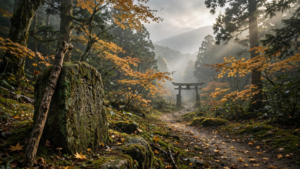
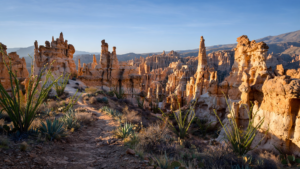
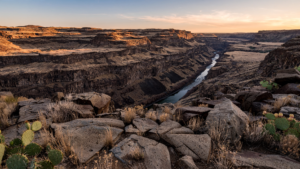
This visual approach helped distinguish National Geographic from many other periodicals of its day. The magazine increasingly devoted space to large photographs, detailed maps, and carefully produced illustrations. The effect was not merely decorative. Images gave readers a sense of scale and physical reality. A desert was no longer only a region described in paragraphs. It had light, texture, distance, and human presence.
National Geographic also became an early and influential publisher of color photography. As photographic technology improved, the magazine used color to show landscapes, wildlife, architecture, and everyday life with a vividness that black-and-white printing could not match. The result was a distinctive editorial promise: the world was vast, but it could be observed closely.
The magazine’s recognizable yellow border emerged during this period of visual consolidation. Over time, that border became one of the strongest pieces of editorial branding in publishing. It signaled that the issue inside was not simply another general-interest magazine. It was a portal into a place, a culture, a species, or a scientific question.
A magazine built around patience
National Geographic’s most important contribution was not a single expedition or photograph. It was the creation of a publishing system that could turn fieldwork into public knowledge.
The National Geographic Society supported exploration, research, mapping, and scientific projects. The magazine then carried some of that work into homes, schools, libraries, and public institutions. Its stories often required long preparation: travel to difficult locations, conversations with specialists, photographic work under demanding conditions, and the careful assembly of maps and explanatory text.
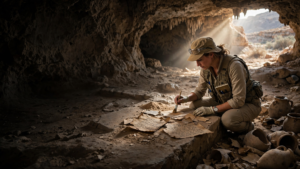
That pace offered a contrast to the daily newspaper. A newspaper was designed to deliver immediate events. National Geographic was better suited to subjects that unfolded slowly—glacial movement, archaeological excavation, animal behavior, oceanography, changing ecosystems, and the lives of people in places unfamiliar to its audience.
For generations of readers, the magazine became a form of armchair fieldwork. Children encountered distant countries through its pages. Adults learned about scientific research without needing to read a technical paper. Teachers used its maps and photographs to bring geography lessons into the classroom. The magazine’s educational influence extended well beyond its subscribers.
The world in a frame
National Geographic’s visual power also created an editorial responsibility that has never been simple.
Photography can make an unfamiliar place legible, but it can also reduce people and cultures to scenery. Earlier generations of National Geographic publishing sometimes reflected the assumptions of the era in which the work was produced, including romanticized portrayals of Indigenous peoples, colonial settings, and communities outside the United States and Europe.
That history matters because the magazine did more than document the world. It helped shape how millions of readers imagined it. A photograph could challenge stereotypes, but it could also reinforce them if the subject was presented without context or agency.
Over time, responsible geographic storytelling has required more attention to collaboration, local expertise, historical context, and the rights of people being photographed. Contemporary documentary practice increasingly asks who is telling the story, who controls the image, and whether the people pictured are being treated as participants rather than picturesque evidence.
Those questions do not erase National Geographic’s accomplishments. They make the magazine’s influence easier to understand. A publication with a global audience has always been engaged in more than description. It has been teaching readers where to look and how to see.
Why the format still works
The magazine’s enduring strength comes from the combination of curiosity and structure. A National Geographic story typically gives readers a place, a problem, a body of evidence, and a reason to care. It may begin with a single animal, archaeological site, river, expedition, or family, then widen into questions about ecology, history, science, or human adaptation.
That structure remains useful in an age when information is abundant but attention is fragmented. Digital media can show almost anything instantly. Yet instant access does not always create understanding. A photograph in isolation may be striking, while a photograph placed within a carefully reported story can become meaningful.
National Geographic’s best work has always depended on that connection between wonder and explanation. The image invites attention. The reporting supplies context. The map reveals relationships. The research shows why the subject matters beyond the frame.
In that sense, the magazine still carries the purpose of the small organization founded in Washington in 1888. Its tools have changed from early engraved illustrations to color photography, film, digital mapping, and online storytelling. Its audience is now global rather than primarily American. But the underlying ambition remains recognizable: to enlarge public knowledge by making the world more visible.
A yellow border with a large inheritance
National Geographic did not invent exploration, documentary photography, or popular science. What it did was bring those traditions together in a format that millions of ordinary readers could hold in their hands.
That achievement helped define modern magazine publishing. It showed that a periodical could be educational without being dry, beautiful without being empty, and international without losing a clear editorial identity. It also demonstrated the power—and the danger—of choosing which parts of the world receive attention and how they are framed.
The familiar yellow border therefore represents more than a brand. It is a reminder of a century-long editorial project: to turn observation into understanding. At its best, National Geographic has made faraway places feel neither imaginary nor unreachable. It has presented them as real landscapes inhabited by real people, connected to the same planet that sits just beyond every reader’s door.