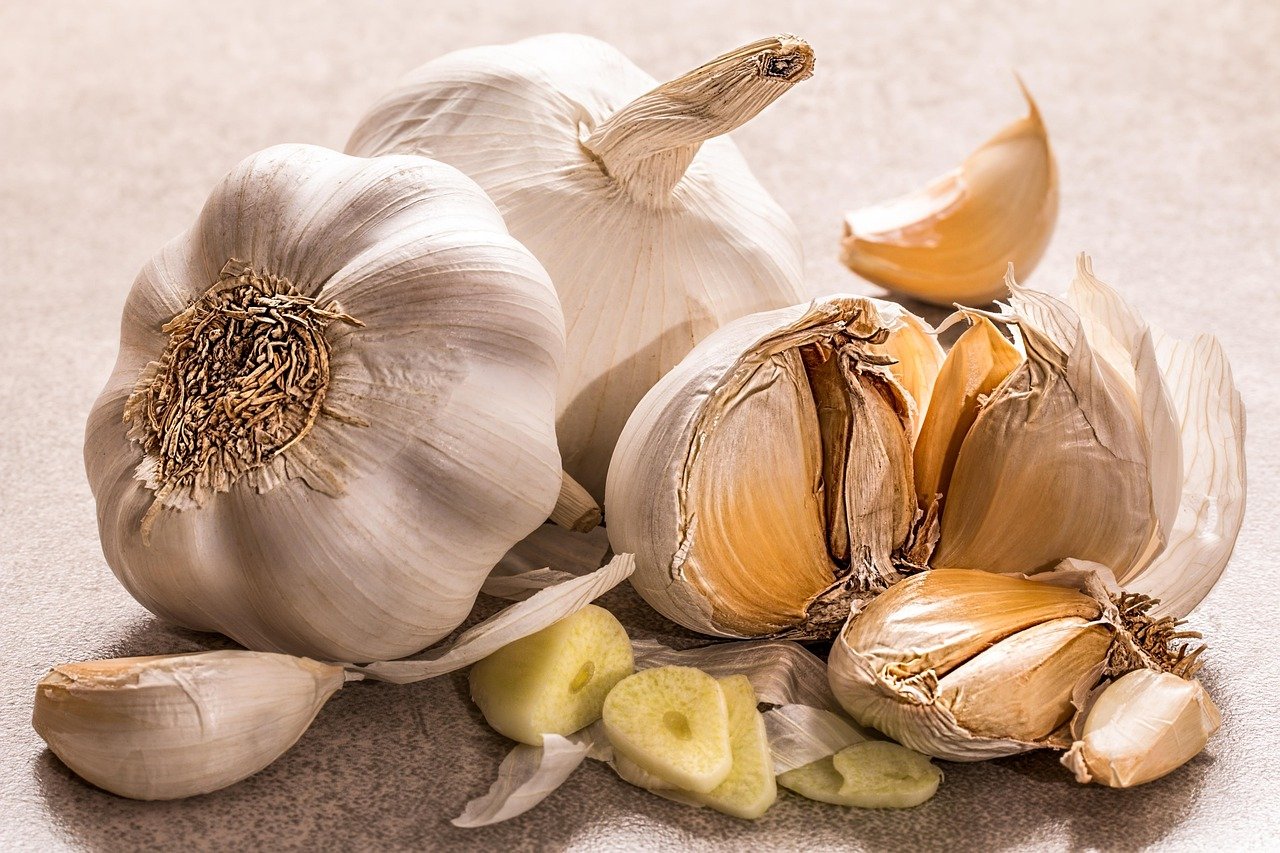
A garlic bulb is a bundle of potential plants. Separate it into cloves, put each clove in the ground, and—given the right season and growing conditions—each can form a new bulb. That simple cycle makes garlic a satisfying crop for a garden bed or a suitably deep container.
The main trick is timing. Garlic is often planted in autumn in places with cold winters, but gardeners in milder climates may plant at a different time. Rather than follow a universal calendar, use the local growing season as your guide: the aim is to give cloves time to establish roots before the weather turns unfavorable, while avoiding conditions that encourage tender top growth too early.
Start with a suitable variety and planting stock
Garlic varieties are often grouped as hardneck or softneck. Hardneck types produce a flowering stalk, called a scape, and are commonly grown in regions with cold winters. Softneck types are frequently favored in milder areas and tend to store well. These are useful general tendencies, not guarantees: choose a variety recommended for your region, since local climate and growing conditions matter.
For planting, buy garlic intended as seed stock from a reputable supplier or garden center when possible. A bulb from the grocery store may grow, but its variety may not suit your climate, and its growing or storage history may be unknown. Keep the bulb whole until planting time. Then separate it gently into individual cloves, leaving the papery skin on each one. Use the largest healthy cloves for planting; smaller ones can go to the kitchen.
Choose the planting moment by season, not by a global date
In cold-winter regions, garlic is commonly planted in autumn, several weeks before the ground freezes. That gives roots time to develop before winter. In warmer areas, the planting season may be later, and local advice is especially valuable. Some growers in mild climates plant in autumn or winter; others may have better results with spring planting, depending on the variety and conditions.
Check recommendations from a nearby extension service or experienced local growers for the best window. If you are gardening in the Southern Hemisphere, use your local seasons rather than dates written for northern gardens. Wherever you grow, avoid planting into waterlogged ground: cloves need moisture, but persistently wet soil can promote rot.
Prepare a sunny, well-drained bed
Pick a spot that receives plenty of sun and has soil that drains freely. Garlic does best when it can grow without competing with weeds, so clear the bed before planting. If your soil is heavy or tends to stay wet, consider a raised bed or a large container with drainage holes. A container also makes it easier to control the growing medium, but it must be deep enough for roots and spaced cloves.
Work in finished compost if the soil needs improvement. Avoid planting garlic in the same spot year after year if you can rotate it with unrelated crops; rotation helps reduce the buildup of pests and disease associated with repeatedly growing the same crop in one place.
Plant cloves with the pointed end up
- Separate the bulb: Break it into individual cloves shortly before planting. Keep the papery covering intact.
- Set the depth and spacing: Follow local guidance for your variety and soil. As a starting point, the University of Minnesota Extension recommends planting cloves about 2 inches deep and spacing them 4 to 6 inches apart.
- Orient each clove: Place the pointed end upward and the flatter root end downward. Cover with soil and water if the ground is dry.
- Mulch where appropriate: In cold-winter areas, a layer of clean straw or another loose mulch can help insulate the bed and limit weeds. Adjust to local conditions; heavy, wet mulch is not helpful where it keeps soil soggy.
Label the bed with the variety and planting date. That small note can make it easier to compare results and remember which garlic performed well in your garden.
Care for the growing plants
Keep the bed reasonably weed-free: garlic has narrow leaves and can lose ground to aggressive weeds. Water during dry spells while plants are actively growing, but do not leave the soil saturated. As harvest approaches, gardeners commonly reduce watering, especially if the weather is already wet. Follow local advice because soil type and rainfall change what the plants need.
Hardneck garlic produces a curled scape as it grows. Many gardeners cut the scape once it has curled, which directs the plant’s growth away from the flower stalk. The scapes are edible, too. They can be used in cooking while still tender, but removing them is not essential for every gardener or every growing situation.
Let the leaves tell you when to harvest
Garlic is usually ready when several of its lower leaves have turned brown while some upper leaves remain green. The University of Minnesota Extension advises looking for three or four brown lower leaves and five or six green leaves as a harvest cue. The exact timing varies with variety, weather and planting date, so check a few plants rather than relying on a fixed month.
Loosen the soil with a garden fork before lifting bulbs; pulling hard on the foliage can damage them. Brush off loose soil, then cure the bulbs in a dry, airy, shaded place. Once the outer layers and necks have dried, store them somewhere cool, dry and well ventilated. Handle bulbs gently, since bruises can shorten their keeping time.
From one planted clove to a full bulb, garlic rewards patience with a harvest that can be stored and used well beyond the growing season. Start with a variety suited to your area, adapt planting time to local conditions, and keep notes: the best guide for next year may be what your own garden has already taught you.