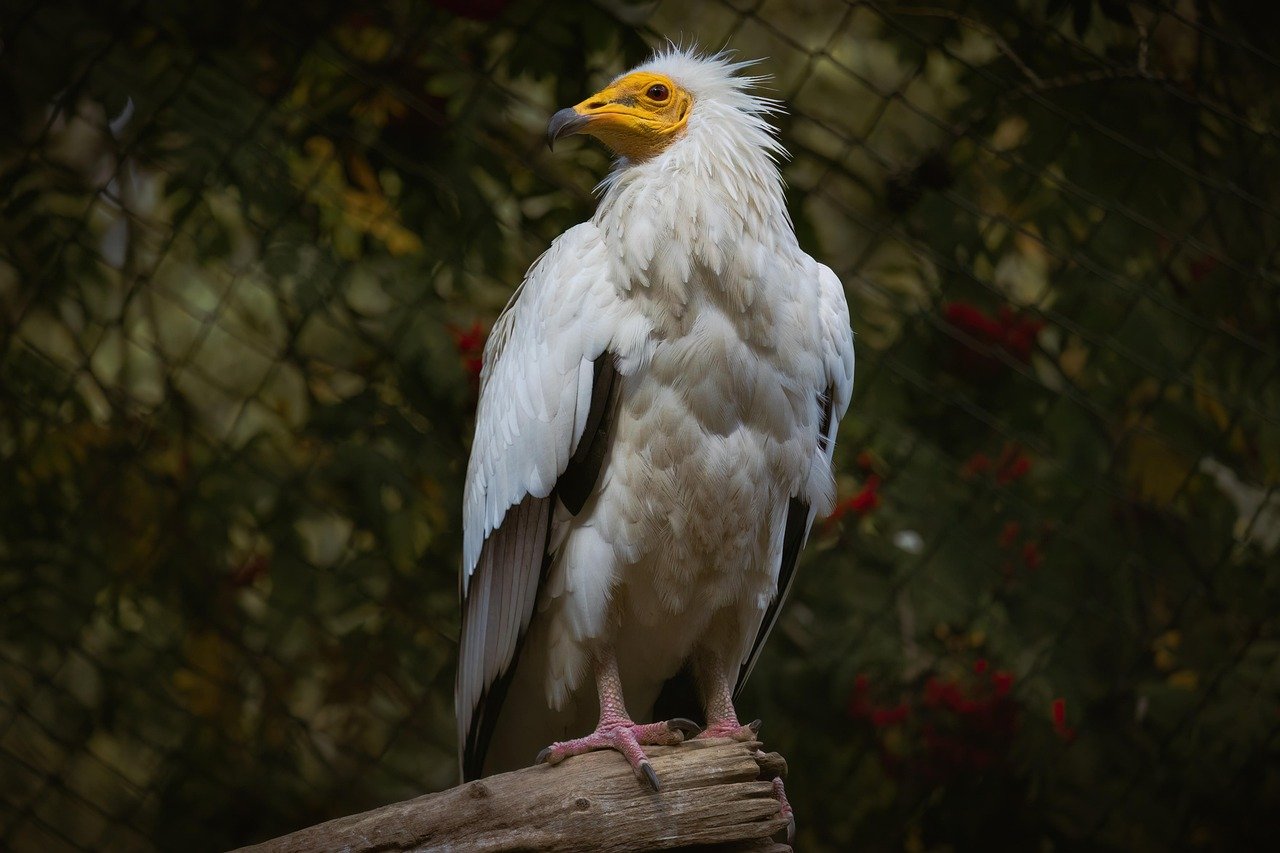
The Egyptian vulture (Neophron percnopterus) is one of Europe’s most threatened raptors — but this story from Bulgaria is a clear note of optimism. Long-term monitoring and a targeted reinforcement program run by the Bulgarian Society for the Protection of Birds (BSPB), Green Balkans and international partners recorded a measurable population rebound in 2025, with released and rescued birds now contributing to breeding pairs in the wild.
Numbers that matter
Field teams reported 36 breeding pairs of Egyptian vultures in Bulgaria in 2025, a marked improvement from a low point earlier in the decade. Together those pairs raised 33 chicks in 2025, 30 of which fledged successfully. Those figures come from BSPB monitoring and are summarized by the Vulture Conservation Foundation in a January 2026 report on the Balkan reinforcement programme.
How reinforcement made a difference
The increase reflects a deliberate strategy: rescuing late or at-risk chicks, hand-rearing some birds, and carrying out delayed releases that let juveniles acclimate before migration. In June 2025, six juvenile Egyptian vultures were released in the Eastern Rhodopes as part of that program; in 2025 roughly one in five breeding pairs in the Eastern Rhodopes included at least one bird released by the project. Those released birds have begun to pair with wild vultures and to raise young of their own.
Rescue and rehabilitation on the ground
Green Balkans’ Wildlife Rehabilitation and Breeding Centre played a central role during the 2025 season. The centre received eggs and chicks rescued from nests judged at high risk, hatched and hand-reared some birds, and then prepared them for delayed release the following spring. The organization’s field reports document specific rescue operations in mid‑2025 and describe the care and release steps used to reduce imprinting and improve survival odds.
Still a long flyway to fix
Conservationists emphasize that the recovery remains fragile. Illegal poisoning, electrocution on power lines and hazards along migration routes continue to cause losses. In 2025 some released and wild birds did not survive migration, and isolated poisoning and electrocution incidents were recorded. Conservation groups say sustained work across the species’ African–Eurasian flyway — from nest sites through Turkey and into wintering areas in Africa — is essential to turn local gains into long-term recovery. (
Why this matters beyond Bulgaria
The Egyptian vulture is listed as Endangered on global assessments and serves as an indicator of wider problems affecting scavengers: contaminated carcasses, illegal wildlife poisoning, unsafe energy infrastructure and loss of safe food. Local successes — like the reinforcement and rescue work in Bulgaria — show that coordinated monitoring, veterinary care and targeted releases can halt declines and produce recruits that contribute to wild breeding. Still, international cooperation remains critical because many threats occur far from the nesting cliffs.
For conservationists and volunteers in the Rhodopes, the 2025 season was proof that years of steady work can move a species back from the brink. That progress offers a model for other regions trying to pull long-lived migrants out of decline: combine careful rescue and husbandry with site protection, threat reduction and cross-border collaboration along migration routes.