When a houseplant looks unhappy, a new pot can seem like the obvious remedy. But moving it into a much larger container—or putting stones in the bottom to “help drainage”—can make things worse. What matters is how the pot, its growing mix and your watering routine work together.
Roots need both water and air. A container that stays wet for too long can leave roots short of oxygen and more vulnerable to decay. The goal is not to make the mix dry as fast as possible; it is to let excess water escape while the mix holds enough moisture for the plant.
Start with a pot that can drain
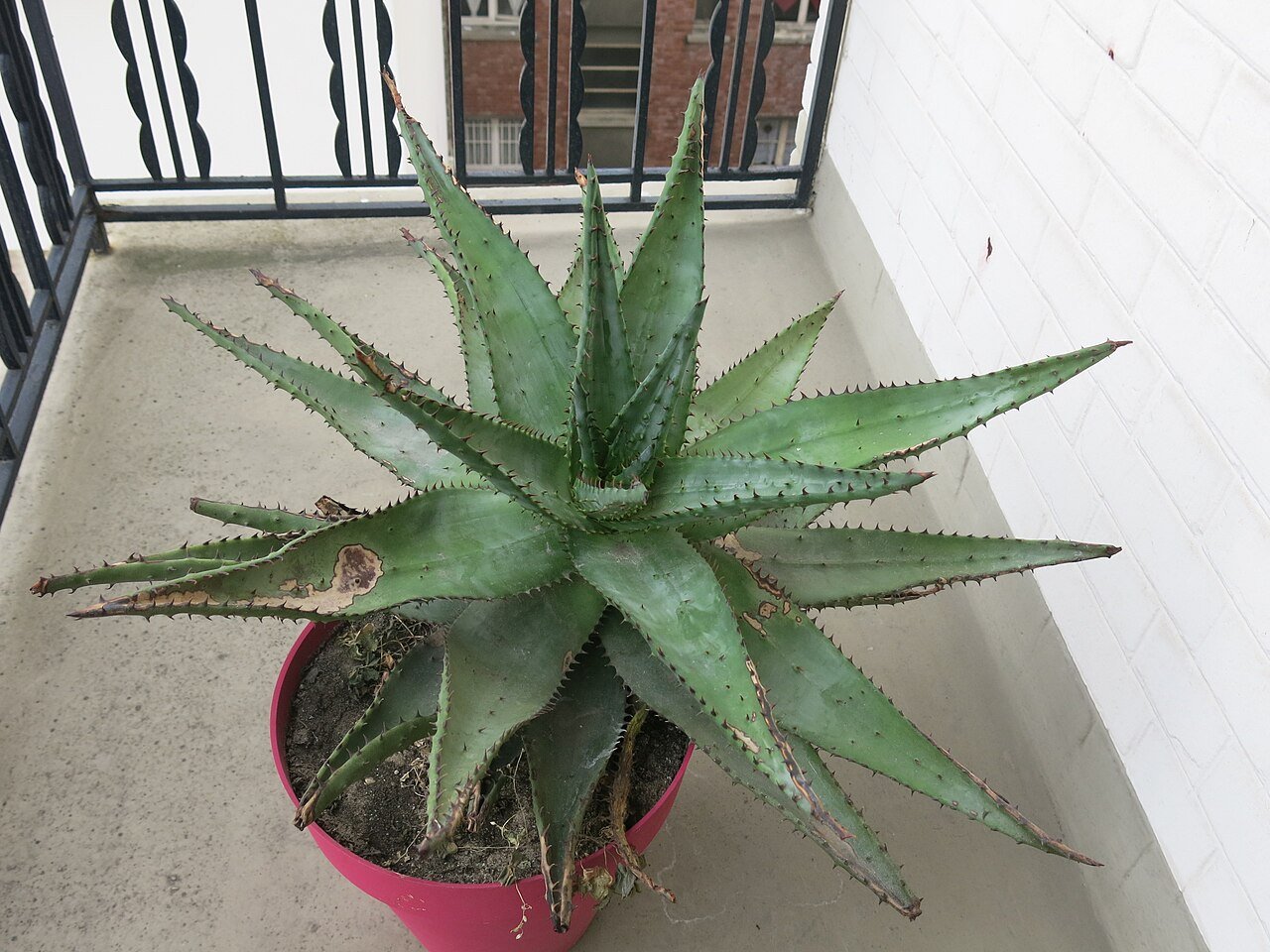
For most houseplants, choose a pot with at least one drainage hole. Water can then pass through the growing mix instead of collecting at the bottom. If you like a decorative pot without a hole, use it as a cover pot: keep the plant in a smaller, draining nursery pot, then lift that pot out for watering and let it drain before returning it.
A saucer or cachepot can catch runoff, but don’t leave the plant standing in water. After watering, empty the saucer or outer pot once excess water has drained. A drainage hole is helpful, but it cannot compensate for a mix that is constantly saturated or watering that is too frequent.
Why pebbles don’t fix drainage
A familiar tip is to cover the bottom of a pot with gravel, stones or broken pottery before adding potting mix. The idea is that water will move quickly through the coarse layer. Research-based guidance from Washington State University explains why this can backfire: water does not necessarily pass readily from a finer-textured mix into a much coarser layer. The boundary can hold water above it, leaving a wetter zone closer to the roots rather than improving drainage.
Instead of adding a layer, use a suitable potting mix throughout the container and keep its drainage hole clear. Ordinary garden soil is often a poor substitute for container mix: it can become dense in a pot and restrict the air and water movement roots need. Different plants have different preferences, so check care guidance for plants that need unusually fast-draining or moisture-retentive media.
How big should the next pot be?
Don’t repot just because a plant has been in the same container for a year. Consider a move if roots are densely circling the root ball, emerging from drainage holes, or if the plant dries out unusually fast despite appropriate care. Slow growth can be another clue, though light, temperature, pests and watering problems can also explain it.
When a plant does need more room, step up gradually. A pot only modestly wider than the existing root ball—often about 1 to 2 inches wider for a typical small houseplant—is a reasonable starting point. Plant size and growth habit matter, so treat that as a guide rather than a rule.
Why not give the plant lots of extra space? A large volume of mix can hold more water than a small root system can use. That can leave the root zone wet for longer. The new container should give roots room to grow without surrounding them with a disproportionately large amount of damp mix.
Water the mix, not the calendar
There is no single schedule that suits every houseplant. A pot’s size and material, the plant’s growth, room temperature, light and season all affect how quickly the mix dries. Rather than watering on a fixed weekday, check the mix and the plant’s care needs. For many common foliage plants, letting the surface dry somewhat between waterings is useful; others need a more consistently moist mix.
When it is time to water, moisten the mix evenly and allow excess water to run out. Then empty collected runoff. If water rushes through a very dry root ball without soaking it, the mix may have pulled away from the sides or become difficult to rewet. A slow, thorough watering can help; check the plant and mix afterward rather than assuming the first runoff means the root ball is evenly moist.
Repot without burying the plant
Use fresh container mix and a clean pot. If reusing a container, wash away old soil and residue. Ease the plant out gently and loosen tightly circling roots without tearing apart a healthy root ball unnecessarily. Set the plant at about its previous depth: burying more of the stem can cause problems for some species.
After repotting, water according to the plant’s needs and let the container drain. Avoid adding fertilizer automatically; fresh mixes may already contain nutrients, and recently disturbed roots can be sensitive. Follow the mix label and the plant’s care guidance.
A healthy container is a small system, not just a decorative home for a plant. A suitable mix, a pot that drains, room for the roots and watering based on actual conditions are more reliable than a pebble layer or an oversized upgrade. If a plant is struggling, check those basics before reaching for a bigger pot.