A conservation group has filed a second lawsuit aimed at stopping what it calls illegal cattle grazing along the Upper Verde River, a waterway that begins near Paulden in Yavapai County and flows through country tied closely to Prescott’s water supply and surrounding national forest land.
According to the Center for Biological Diversity, the new legal action follows an earlier lawsuit and continues the group’s effort to force federal land managers to address grazing that it says is occurring without proper authorization in sensitive riparian habitat. The organization has framed the filing as necessary to protect both the river itself and the endangered species that depend on it.
The dispute brings together several issues that are closely connected along the Upper Verde: livestock management on public land, protection of streamside habitat, enforcement of federal grazing rules, and the long-term condition of a river with regional importance. The lawsuit focuses on whether grazing along sections of the corridor is being properly authorized and controlled.
Why the Upper Verde Matters
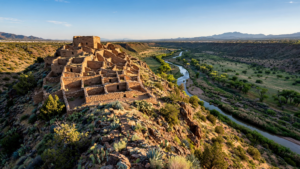
The Upper Verde River is one of the relatively few stretches of desert waterway in central Arizona that flows year-round. Springs feed the river, making it an unusually reliable water source in an otherwise arid landscape. That permanence has long made the corridor significant both ecologically and for regional water planning.
Flows originating near Paulden eventually contribute to the broader Verde River system, which serves communities, wildlife, and downstream users across Yavapai County. The river’s connection to Prescott’s water supply and surrounding national forest land also gives the dispute importance beyond the immediate areas where cattle grazing is alleged to be occurring.
Because the river keeps flowing through dry seasons, the vegetation and habitat along its banks function differently from seasonal washes elsewhere in the region. Streamside, or riparian, zones like this one are often cited by land managers and conservation groups as disproportionately important for wildlife relative to the small footprint they occupy across the broader high-desert landscape.
The continuing flow supports a narrow corridor of river habitat through otherwise dry country. For conservation advocates, that distinction is central to the case: damage within a relatively small riparian area can affect habitat that is less widely available across the surrounding landscape. The group’s legal challenge therefore treats protection of the riverbanks and protection of the waterway as closely related goals.
The Grazing Dispute
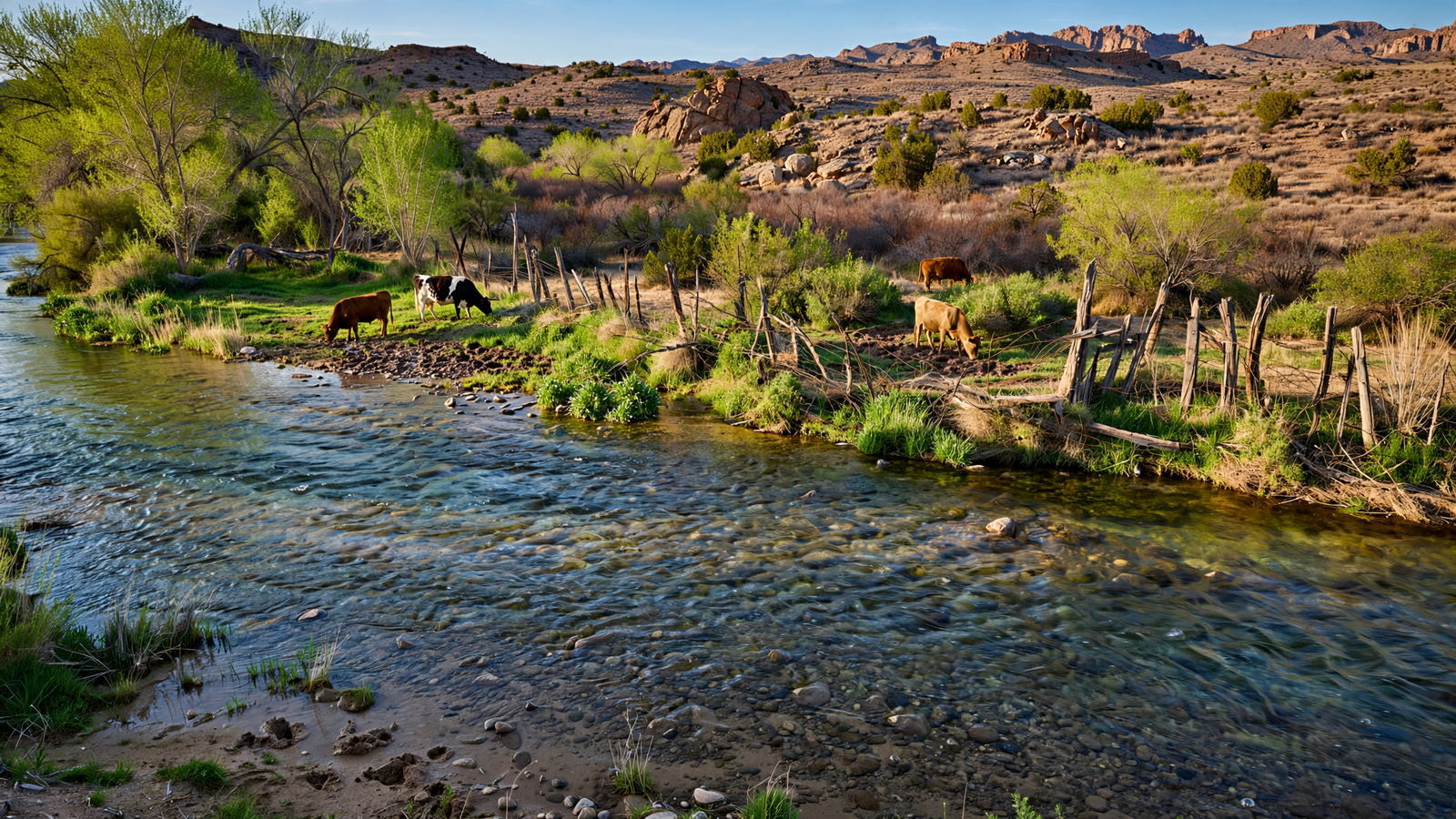
The Center for Biological Diversity’s filing centers on cattle grazing that the group contends is happening without the required permits or oversight along sections of the river corridor. The allegation is not simply that cattle are present near the river, but that livestock use is occurring without the authorization and management the organization says federal rules require.
Lawsuits of this kind typically ask a federal court to compel land management agencies to enforce existing grazing regulations. The argument is that unauthorized livestock use can trample streambanks, degrade water quality, and reduce the vegetation cover that wildlife rely on for shelter and food. In a perennial river corridor, those effects can become part of a broader dispute over the condition of the riparian habitat.
This is described as the second such lawsuit the organization has pursued over conditions along the Upper Verde. That history suggests the dispute has continued over an extended period rather than being resolved after the first filing. The group has positioned the new action as a continuation of that broader effort, not as a response to a single new incident.
At the center of the disagreement is the responsibility of federal land managers to address grazing that the conservation group considers unauthorized. The filing seeks action through the courts because the organization argues that existing management and enforcement have not adequately protected the affected portions of the river corridor.
Endangered Species in the Balance
Central to the lawsuit is the argument that unmanaged grazing threatens species that depend on intact river habitat to survive. Desert rivers in Arizona, including stretches of the Verde system, have historically supported a mix of native fish and other aquatic and semi-aquatic species. Those species have become increasingly rare as waterways across the Southwest have been altered by diversion, development, and habitat degradation.
Advocacy groups frequently argue that protecting remaining perennial stretches like the Upper Verde is essential precisely because so few comparable habitats remain intact elsewhere in the region. Consistent water flow, streamside vegetation, and stable riverbanks are treated as connected parts of the habitat rather than as separate concerns.
The specifics of which species and habitat conditions are cited in this particular filing were not detailed in available reporting. The broader pattern in similar legal actions, however, typically centers on federally listed species whose survival is closely tied to streamside vegetation and consistent water flow.
That emphasis explains why the lawsuit links cattle management directly to endangered-species protection. The Center for Biological Diversity’s position is that grazing practices along the river cannot be considered separately from their effects on vegetation, streambanks, water quality, and the wildlife that depend on those features.
What Happens Next
Lawsuits of this type generally move slowly through the federal court system. Outcomes can range from negotiated changes in grazing permits to court-ordered restrictions on livestock access in specific areas. It remains to be seen how land management agencies will respond to the latest filing, or whether the dispute will be resolved through litigation, settlement, or revised grazing authorizations.
For residents of Prescott and the surrounding Yavapai County communities, the case is a reminder of how closely regional water sources, public land management, and conservation priorities are intertwined in central Arizona. Decisions concerning one section of river can involve questions about wildlife habitat, livestock access, federal oversight, and a water system important to communities and downstream users.
The Upper Verde’s role as a dependable water source links it to interests well beyond the immediate grazing dispute. Those interests include downstream water users as well as visitors drawn to the region’s rivers and forests. The legal case is focused on grazing enforcement, but the setting gives the outcome wider regional significance.
No court date or resolution timeline was available at the time of this report. Until the federal agencies respond and the case advances, it is unclear whether conditions along the river will be addressed through a court ruling, a negotiated agreement, or changes to grazing authorizations and livestock access.
The Center for Biological Diversity’s filing adds to a growing list of legal actions nationally in which conservation groups have used litigation to press federal agencies on grazing enforcement in sensitive riparian areas. In this case, the dispute remains centered on the Upper Verde River and the group’s effort to protect its habitat from grazing it describes as illegal.
Use: Primary source for the second lawsuit filing over Upper Verde River cattle grazing and endangered species protection.