In Yavapai County, the Verde River does more than pass through the landscape. It threads together cottonwood forests, desert communities, wildlife habitat and a growing network of public places.
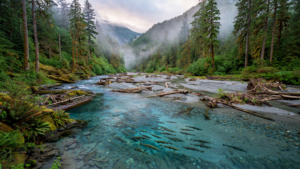
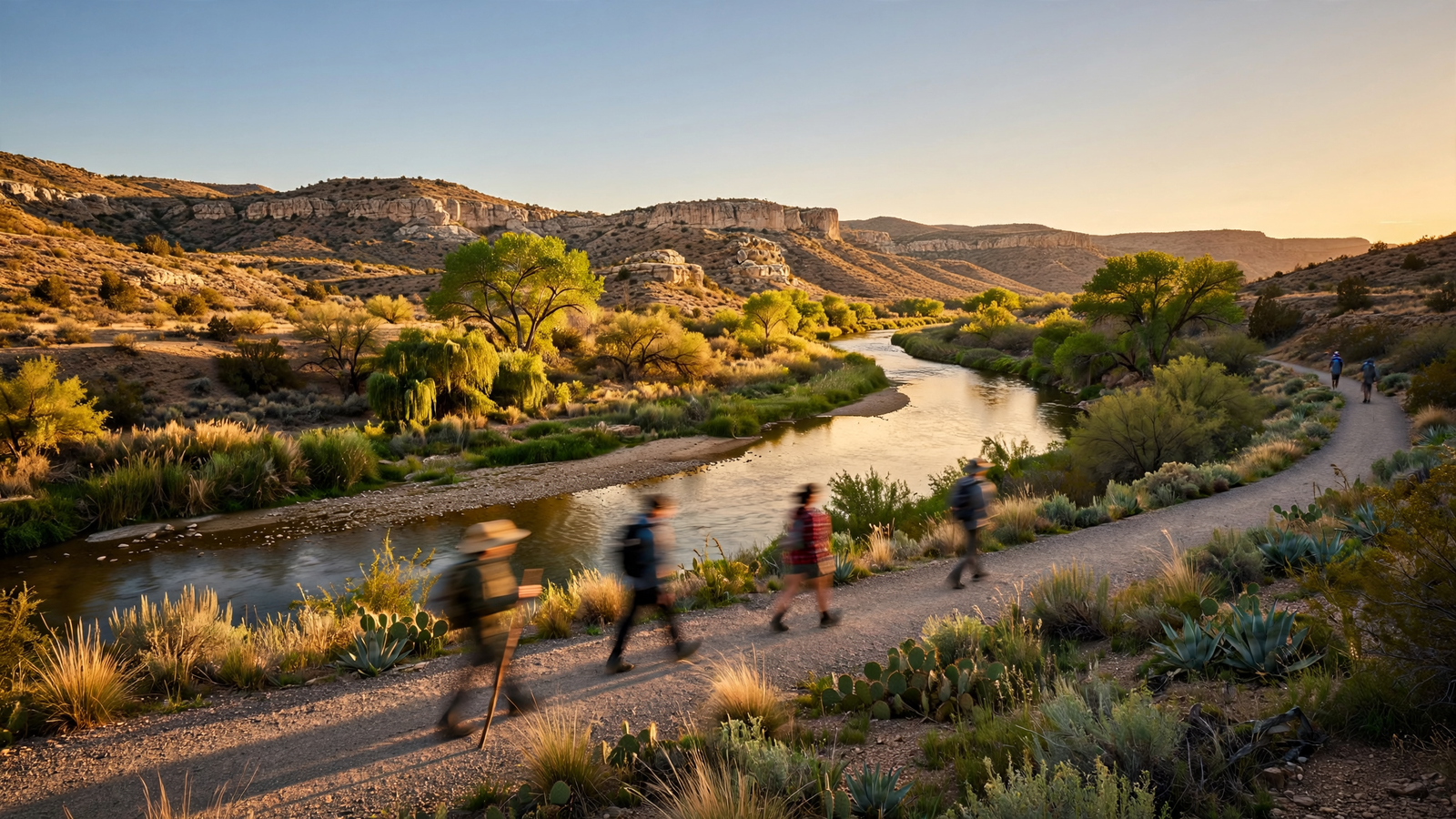
One of the clearest examples is the Verde River Greenway near Cottonwood, where a protected river corridor gives residents and visitors a way to experience the water without separating it from the living landscape around it. The greenway is not a manicured waterfront in the conventional sense. Its appeal comes from the meeting of trail and floodplain: shaded trees, open water, birds moving through the vegetation and the changing character of the river from season to season.
A riverfront with room for nature
The Verde is one of Arizona’s few perennial rivers, meaning stretches of it flow throughout the year. That consistency makes the river especially valuable in an arid region. Its riparian forests provide food, cover and nesting areas for wildlife, while the river itself supports a larger watershed that reaches far beyond Cottonwood.
The greenway’s importance is therefore larger than its recreational role. A walk beside the river can look simple, but the protected corridor helps preserve one of the habitats that makes the Verde Valley distinct. Cottonwood trees and other river plants stabilize banks, cool portions of the shoreline and create a transition between open water and the surrounding desert.
Those benefits are also why public access matters. When people can encounter a river close to home, the waterway becomes part of everyday civic life rather than a distant feature on a map. Trails turn conservation into something visible: a place where families can walk, visitors can pause and residents can observe how high water, drought and changing seasons affect the river.
Connecting the community to the Verde
The greenway is part of a broader collection of public lands and outdoor destinations in the Verde Valley, including Dead Horse Ranch State Park and nearby trails. Together, these places make the river easier to reach while distributing use across a larger landscape.
That balance is increasingly important as the Verde Valley grows as a residential, cultural and tourism destination. A popular river corridor must serve people without losing the qualities that brought them there. Staying on designated trails, keeping dogs under control, avoiding wildlife disturbance and carrying out litter are small actions, but they help protect a place that is shared by many species as well as many communities.
The greenway also shows why conservation in Yavapai County often happens at the scale of a watershed. A river does not stop at a city boundary, and its health depends on choices made upstream and downstream. Protecting a connected corridor near Cottonwood cannot solve every challenge facing the Verde, but it preserves an important piece of the larger system.
For visitors, the result is an accessible introduction to one of Arizona’s defining landscapes. For local residents, it is something more enduring: a public riverfront where recreation, habitat and stewardship occupy the same ground. In a dry state, that kind of shared space is not merely attractive. It is a community investment in the future of the river.