Editorial note: I could not verify a new announcement or construction milestone from the past 30 days. Rather than present an older project as breaking news, this feature looks at the continuing local role of Yavapai College’s Prescott Valley campus. It should not be treated as a report of a newly announced development.
Development is often measured in visible changes: a building going up, a new business opening, or a road being widened. But in a growing region, another kind of investment can matter just as much over time: creating places where residents can prepare for work that local employers need done.
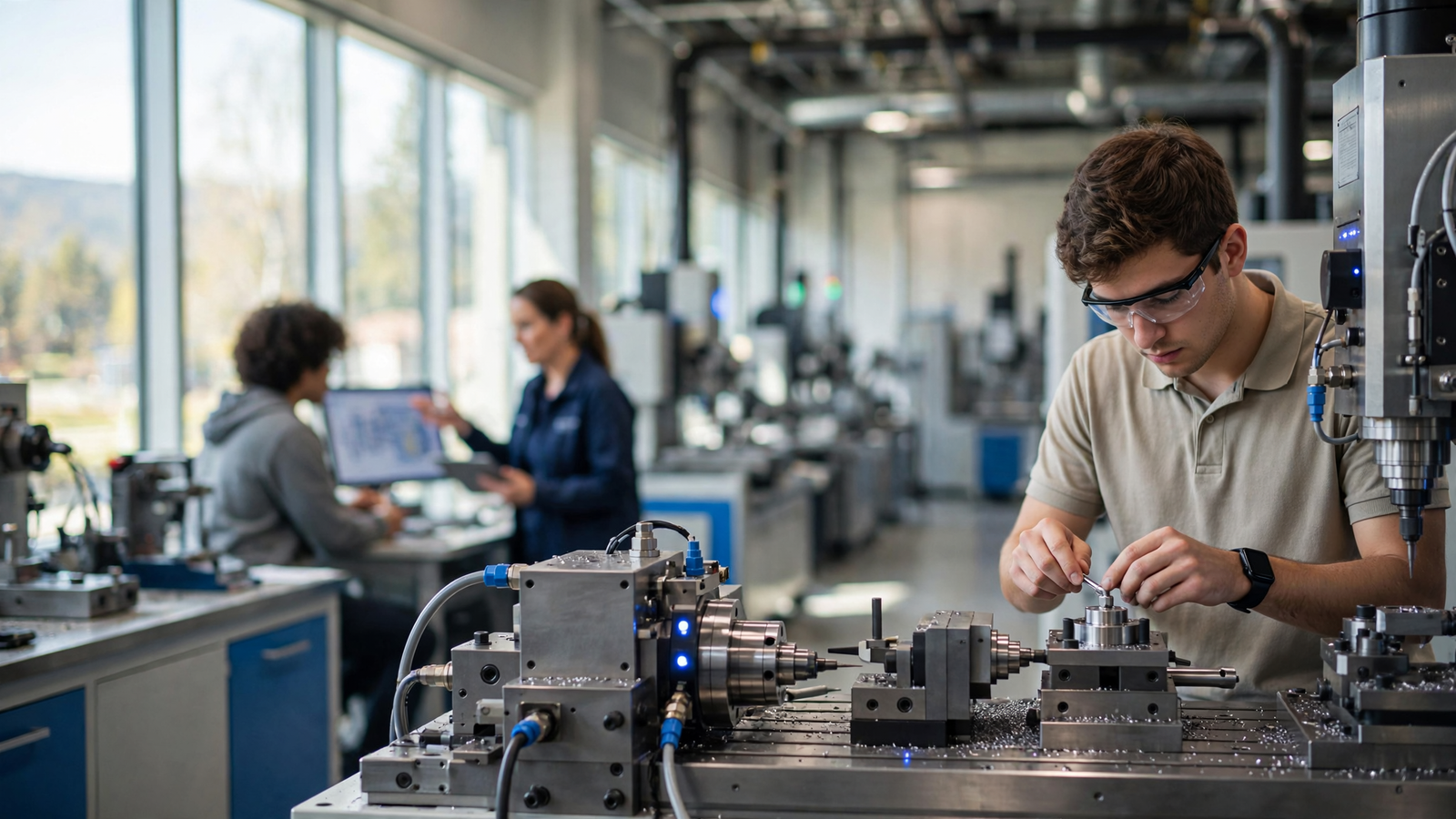
Yavapai College’s Prescott Valley campus is part of that longer-term story. Its career and technical education focus connects a physical campus with a practical question for the region: how can people gain useful skills without having to leave the area to find training?
A campus with a workforce purpose
Career and technical education is designed to connect learning with particular occupations and work settings. That makes a campus serving this role more than an education facility. It can also be part of the infrastructure that helps a community develop its workforce.
For students, local access can make training more manageable. A nearby campus may reduce the time and travel involved in pursuing education, while offering a setting for building skills before entering or changing jobs. For employers, a local pool of trained workers can be one element in deciding whether to expand, hire, or invest in the region. Those benefits are not automatic: they depend on which programs are offered, whether training aligns with actual openings, and whether students can complete the courses they start.
That is why the campus is best understood as a platform rather than a promise. A building can create capacity, but its wider economic value depends on the connection between instruction, students, employers, and available jobs.
Why workforce projects belong in development coverage
Business development is sometimes reported through announcements of a company’s arrival or expansion. Those announcements are easy to identify, but they are only one part of the local economy’s foundations. Education and training projects can shape whether employers can find people with relevant skills and whether residents can access routes into work.
In Prescott Valley and the surrounding communities, that question reaches beyond one campus. Residents may live in one town, study in another, and work elsewhere in Yavapai County. A regional education resource can therefore serve people and employers across municipal boundaries, even though its physical home is local.
That does not mean a college campus alone creates jobs or guarantees that graduates will find work nearby. Employers’ needs change, and training programs must keep pace. The useful measure is not simply how much a project cost or how prominent its building looks. It is whether people can use the programs, whether those programs match regional opportunities, and whether the education helps residents take their next step.
The questions that matter next
For a campus with a workforce mission, the most revealing updates are often operational. Which programs are available now? How many students enroll and complete them? Are local businesses involved in shaping instruction or providing work experience? What barriers—such as transportation, scheduling, or equipment costs—make it harder for students to participate?
Those are questions for future reporting, and they should be answered with current college information and input from students and employers. The college’s program pages and campus updates are the appropriate starting points; a fresh project story would also require verification of any newly announced funding, construction, or expansion.
That distinction matters in a fast-growing area. A past construction project can remain important to the community, but its continuing value should not be mistaken for a new development announcement. The campus’s longer-term significance rests on what it enables: access to training, opportunities for students, and a possible link between education and the region’s changing workforce needs.
For Prescott Valley, that makes the campus a useful lens on a broader idea of development. Growth is not only about what gets built. It is also about whether local institutions help residents participate in the economy taking shape around them. The answer will depend on the programs and partnerships that are active today—and on whether those offerings continue to meet the needs of both learners and local employers.