A small box of books on a sidewalk can make a neighborhood feel more connected. Someone leaves a novel they have finished; a passerby takes a children’s book; another reader returns a title for the next person. No library card or opening hours are needed—just a shared understanding that the books are there for everyone.
That idea has grown into the Little Free Library network, a nonprofit program that registers and maps book-sharing boxes around the world. The organization reported reaching a milestone of 200,000 registered Little Free Libraries in 2024, a marker of how widely neighbors have adopted this low-barrier way to share reading materials.
A library with a neighborhood address
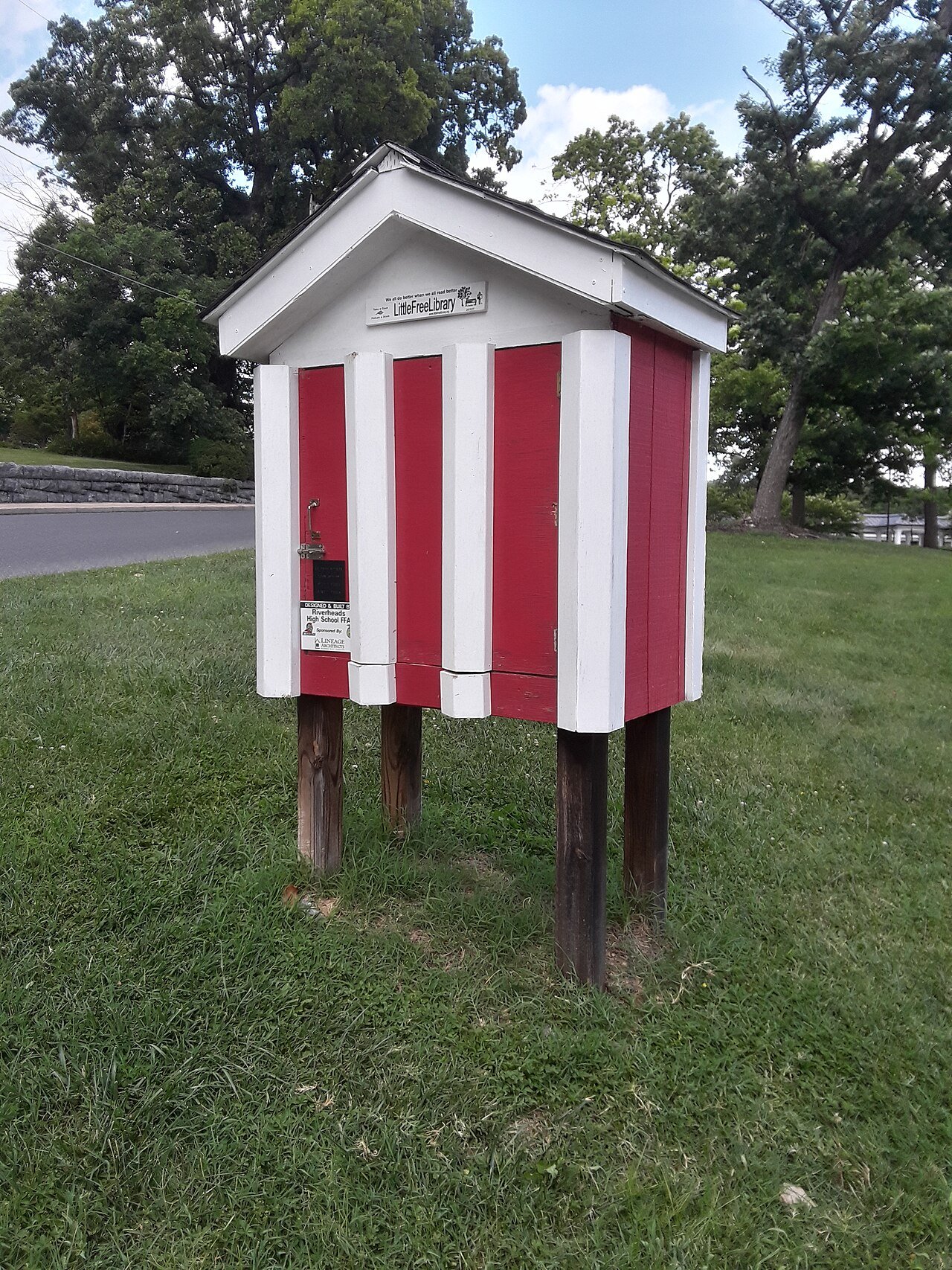
Little Free Libraries are typically small, weather-resistant cabinets placed in accessible locations. A steward—often a resident, school, community group or business—looks after the box and keeps books circulating. The organization’s map helps people locate registered sites, while its guidance explains how to start and care for one.
The model is deliberately informal. A visitor can browse without arranging a visit, and the collection can reflect the people who use it. Picture books, mysteries, cookbooks and local-interest titles may sit side by side. The selection changes as readers take books and contribute others.
That flexibility matters because access to books is not only about having a building nearby. Time, transportation and library hours can shape whether a person can get to a conventional branch. A neighborhood book box does not replace a public library’s collections, services or trained staff. It offers another point of access—one woven into the routes people already walk.
Small exchanges, shared ownership
The registered network’s scale is striking, but its appeal rests on something local. Each box depends on people who decide to host it, maintain it or contribute books. In that sense, the project is less a single distribution system than a common idea repeated in thousands of places: a resource can be useful without being complicated, and a community amenity can be cared for by the community itself.
There is room for different approaches. Some stewards place boxes near homes; others work with schools or community organizations. The organization offers resources for starting a library and encourages stewards to make boxes welcoming and accessible. The setting and collection can be shaped to suit the people nearby, rather than following a one-size-fits-all template.
Those everyday details help explain why a book-sharing box can feel like more than a container. It offers a reason to pause, a chance to discover an unfamiliar author and an easy way to contribute something useful. For children, the sight of books within reach can make reading feel like part of ordinary neighborhood life. For adults, it can turn a walk into an unexpected exchange.
A practical kind of optimism
The 2024 milestone does not mean every community has equal access to books, nor that a volunteer-run box can solve broader barriers to literacy. It does show that a modest idea can travel: neighbors can create welcoming places to share stories without waiting for a large institution to build them.
That is the hopeful part. A Little Free Library asks for little space and depends on a steady stream of small acts—leave a book, take a book, keep the box in good shape. Repeated across neighborhoods, those gestures make reading more visible and give people a simple way to participate in a shared public good.